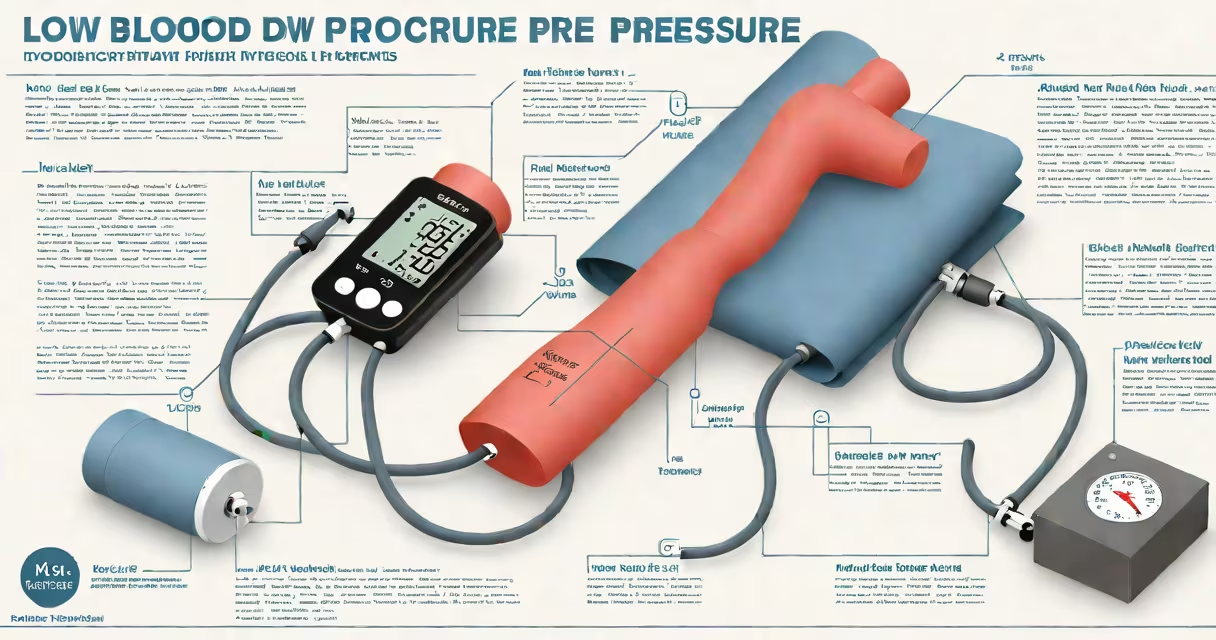
Low blood pressure definition refers to a blood pressure reading consistently below 90/60 mm Hg. This measurement reflects the force of blood against artery walls during heartbeats (systolic) and between beats (diastolic). A reading under 90/60 mm Hg qualifies as low blood pressure, medically known as hypotension.
Normal blood pressure averages around 120/80 mm Hg. When readings fall below that threshold, especially with symptoms, it signals potential circulatory issues. The American Heart Association notes that while low blood pressure often causes no harm, it can indicate underlying problems when accompanied by dizziness, blurred vision, or fainting.
Not all individuals with low blood pressure require treatment. Some people maintain healthy function despite readings below 90/60 mm Hg. However, sudden drops or chronic low readings may point to dehydration, medication side effects, heart conditions, or hormonal imbalances.
Blood pressure results from cardiac output and vascular resistance. When blood volume decreases or blood vessels dilate excessively, pressure drops. The autonomic nervous system normally adjusts heart rate and vessel tone to stabilize pressure. But disruptions in this feedback loop can lead to symptomatic hypotension.
For example, standing up quickly from a seated position can trigger orthostatic hypotension. Blood pools in the legs due to gravity, reducing return flow to the heart. The brain detects lower pressure and attempts to compensate by increasing heart rate. If this fails, dizziness or fainting occurs. This mechanism explains why many people feel lightheaded upon rising.
A 2021 study published in Circulation found that 1 in 10 adults aged 65 and older experience orthostatic hypotension. Symptoms often resolve within minutes when lying down. Persistent cases, however, may require medical evaluation to rule out neurological disorders like Parkinson's disease or diabetes-related neuropathy.
Low blood pressure falls into several categories based on origin and timing. The most common types include:
| Type | Trigger | Common Symptoms | Example Scenario |
|---|---|---|---|
| Orthostatic | Standing up quickly | Dizziness, blurred vision, nausea | Person feels faint after getting up from bed |
| Postprandial | After eating | Fatigue, confusion, weakness | Older adult feels weak after lunch |
| Neurally mediated | Emotional stress or prolonged standing | Fainting, cold sweat, rapid heartbeat | Teenager passes out during school assembly |
| Severe | Shock, infection, bleeding | Confusion, cold extremities, rapid breathing | Car accident victim with internal bleeding |
Postprandial hypotension affects about 30% of people over 70. After meals, blood diverts to the digestive tract, reducing circulation to the brain. This can cause falls and injuries. A 2019 study in JAMA Internal Medicine linked postprandial drops to increased risk of hip fractures in elderly patients.
One overlooked cause is medication. Beta-blockers, antidepressants, and blood pressure drugs themselves can lower pressure too much. A patient taking lisinopril for hypertension might develop symptoms at a dose that reduces pressure below 90/60 mm Hg. Dose adjustment or switching medications often resolves the issue.
Low blood pressure is frequently mistaken for anxiety or fatigue. People report "feeling weak" or "light-headed," leading them to assume they're stressed or tired. But these sensations stem from reduced cerebral perfusion - less oxygenated blood reaching the brain - not mental strain.
Another misconception is that low blood pressure always requires treatment. The Mayo Clinic states that asymptomatic hypotension rarely poses health risks. Many athletes and young adults have naturally low readings without complications. Their bodies adapt efficiently to lower pressures.
However, a critical distinction exists: low blood pressure becomes dangerous when it leads to shock. Shock involves a sustained drop in pressure causing organ failure. Signs include cold, clammy skin, rapid shallow breathing, and altered mental status. Immediate medical care is essential. A 2020 review in Emergency Medicine Journal reported that untreated septic shock has a mortality rate exceeding 30%.
In 2022, a 74-year-old man visited his primary care provider complaining of frequent dizziness when standing. His resting blood pressure was 88/56 mm Hg. He had no history of heart disease but took hydrochlorothiazide for high blood pressure.
The doctor performed a tilt-table test. After lying flat for five minutes, the patient stood upright. His blood pressure dropped from 90/60 mm Hg to 78/50 mm Hg within 60 seconds. Heart rate rose from 70 to 105 bpm. These findings confirmed orthostatic hypotension.
Adjusting his medication dosage improved his symptoms. He was advised to rise slowly, drink more fluids, and wear compression stockings. Within two weeks, he reported no further episodes of dizziness.
This case illustrates that low blood pressure definition is context-dependent. A reading below 90/60 mm Hg only matters when paired with symptoms or risk factors. Not every low reading demands intervention.
Consult a healthcare provider if low blood pressure readings are accompanied by:
These signs may indicate serious causes such as adrenal insufficiency, severe dehydration, or heart failure. Early diagnosis improves outcomes.
For those managing low blood pressure, tracking daily readings helps identify patterns. Use a validated home monitor and record times, activities, and symptoms. Share this log with your provider to guide decisions.