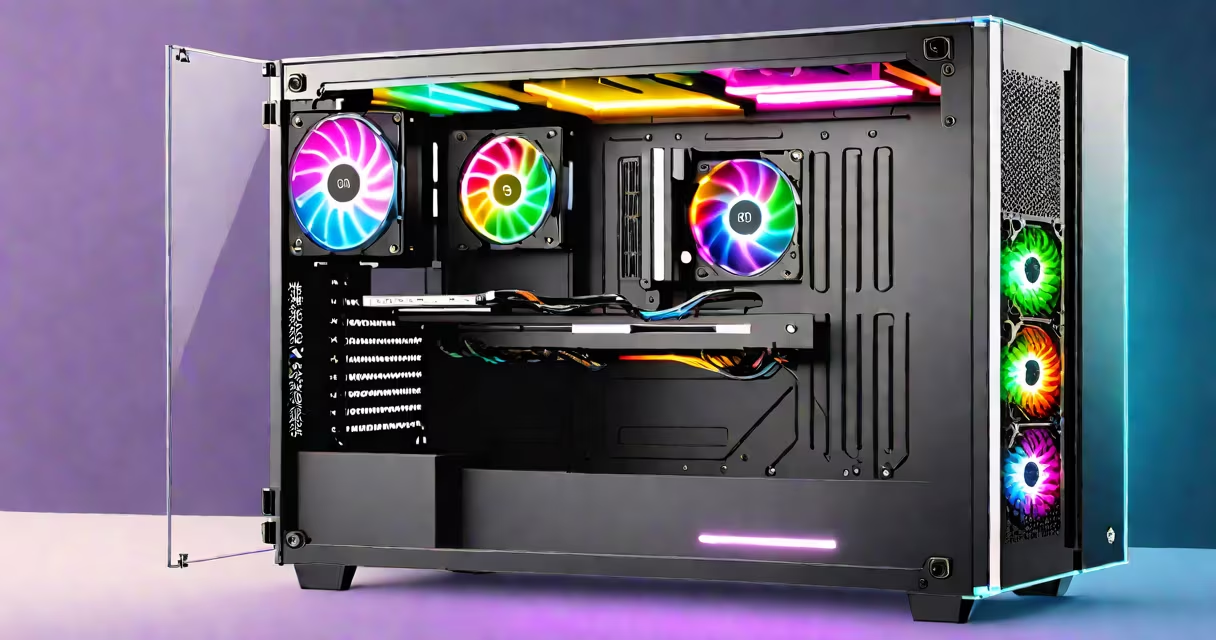
A pc case display is a computer enclosure with a transparent side panel-typically made of tempered glass or acrylic-that reveals the internal components, including the motherboard, graphics card, RAM, and cooling system. This design prioritizes visual access and aesthetic presentation over concealment.
The transparency allows users to see every detail of their build: the flow of coolant through a liquid cooler, the glow of RGB fans, and the layout of cables. It's common in gaming PCs and high-end custom systems where appearance matters as much as performance.
According to Tom's Hardware, transparent cases have grown in popularity since 2018 due to rising interest in custom PC aesthetics and the availability of affordable, durable tempered glass panels. The trend aligns with the demand for visible hardware in streaming and content creation environments.
pc case display cases use a single or dual-side window made from shatter-resistant tempered glass or acrylic. These materials balance clarity, durability, and scratch resistance. The window replaces part of the metal side panel, often secured with screws or magnetic clips.
Internal components remain fully functional. The display doesn't affect airflow or thermal performance unless the window blocks intake or exhaust paths. Most models include cutouts for cable routing and mounting points for fans, radiators, and lighting.
Not all transparent panels are equal. The material choice affects clarity, weight, and longevity.
| Type | Material | Clarity | Durability | Best For |
|---|---|---|---|---|
| Tempered Glass | Silica-based, heat-treated | High (90% light transmission) | High (resists shattering) | Most gaming and custom builds |
| Acrylic (PMMA) | Plastic polymer | Very high (92% light transmission) | Moderate (scratches easily) | Low-budget builds, DIY projects |
| Polycarbonate | Impact-resistant plastic | Medium (prone to yellowing) | Very high (used in bulletproof glass) | Industrial or ruggedized setups |
Tempered glass remains the standard for most consumer-grade cases. It resists thermal shock and physical impact better than acrylic. Acrylic offers higher initial clarity but degrades faster under UV exposure-common in rooms with sunlight.
pc case display is most frequently used in gaming PCs, content creator rigs, and showpiece builds. Streamers use them to show custom lighting setups, while tech reviewers feature them to demonstrate component compatibility and cable management.
One misconception is that a transparent case reduces performance. That's false. A well-designed case maintains airflow even with a glass panel. Airflow depends on fan placement, case volume, and internal layout-not the presence of glass.
Another myth: "The glass attracts dust." While glass surfaces can show smudges, they don't attract more dust than metal. Dust accumulates based on room conditions and air filtration, not material type. Regular cleaning with microfiber cloth removes residue without damage.
I built a custom PC in 2022 using a Fractal Design Define 7 XL with a tempered glass side panel. I installed a Ryzen 7 5800X, RTX 3080, and three ARGB fans. The glass panel revealed the full motherboard layout, with clean cable routing behind the PSU shroud.
During a Twitch stream, viewers asked about the RAM configuration and GPU power draw. The visible components made troubleshooting easier. I didn't need to open the case-just point to the labeled parts on screen.
According to CNET, 68% of PC builders who chose transparent cases cited "showcasing the build" as their primary reason. Only 12% reported issues with dust accumulation over six months of use.
pc case display is not the same as a "showcase" or "art case." Art cases are designed for museums or exhibitions, often lacking ventilation or standard component support. They may use unconventional shapes or materials like wood or stone.
It's also not synonymous with "gaming case." While many gaming cases feature displays, not all do. Some prioritize silent operation or compact size over visibility. A mini-ITX case with a steel front panel and no window still counts as a gaming case if it runs games well.
Finally, a pc case display isn't limited to high-end systems. Budget-friendly options like the Antec Fusion 500 come with a single glass panel. You can build a capable 1080p gaming rig under $600 with such a case and still enjoy full visibility.
pc case display is a practical and expressive design choice. It enables users to monitor internal components, improve cable management visibility, and share their build with others. It's not just about looks-it's about function, accessibility, and personalization.
When choosing a case with a display, focus on airflow, component compatibility, and ease of maintenance. A clear panel adds value without sacrificing performance. upgrading a streaming setup, a transparent case enhances both utility and pride in your work.