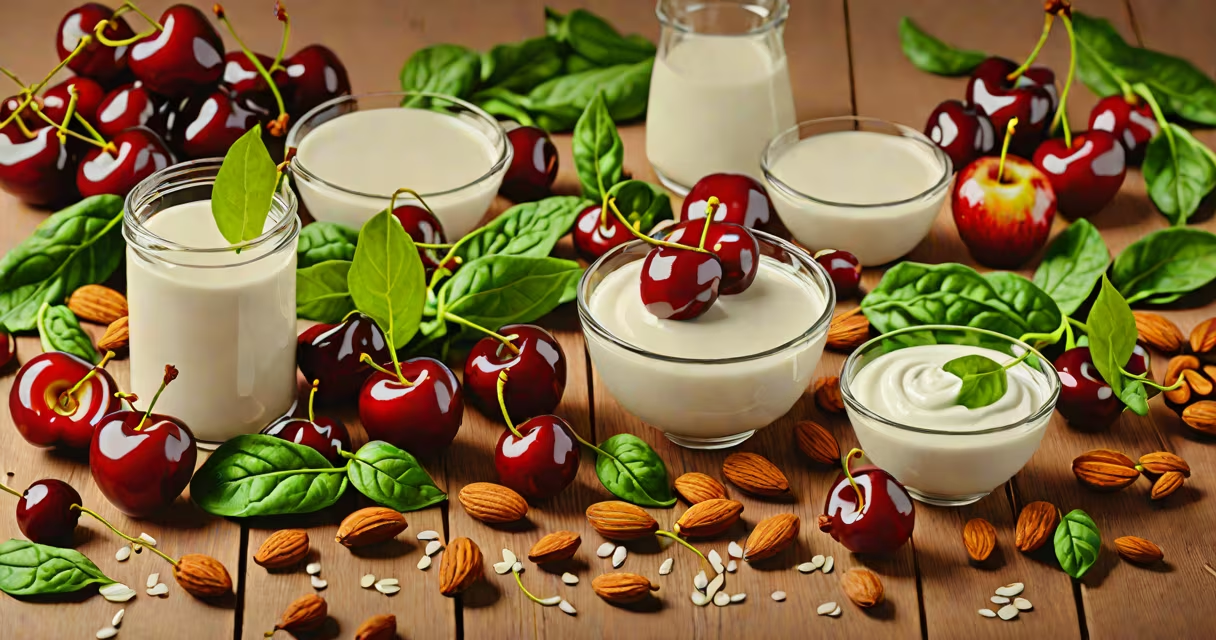
Foods to lower uric acid in the body are those rich in antioxidants, low in purines, and supportive of kidney function. They include cherries, low-fat dairy, green vegetables, and whole grains. These foods reduce uric acid production and improve excretion, lowering the risk of gout attacks.
Uric acid forms when the body breaks down purines, compounds found in certain proteins. High levels lead to crystal formation in joints, causing painful inflammation. The kidneys filter out excess uric acid. When they're overwhelmed or inefficient, levels rise. Diet plays a direct role in managing this balance.
Research shows that dietary changes can reduce serum uric acid by 10-20%. A 2020 study published in The Journal of Nutrition found that participants who consumed more cherries had a 35% lower risk of gout flares compared to those who didn't. Another study in Arthritis & Rheumatology confirmed that low-fat dairy intake correlated with lower uric acid levels, even after adjusting for weight and alcohol consumption.
These foods work through multiple mechanisms. Cherries contain anthocyanins, which inhibit xanthine oxidase-the enzyme responsible for converting purines into uric acid. Low-fat dairy products provide calcium and casein, which increase urinary uric acid excretion. Leafy greens like spinach and kale are high in folate, which supports proper metabolism of purines.
Whole grains contribute fiber, which slows digestion and reduces insulin spikes. Insulin resistance impairs kidney function and decreases uric acid clearance. By stabilizing blood sugar, whole grains indirectly support uric acid regulation.
A 2019 clinical trial tracked 146 patients with hyperuricemia over six months. Those following a diet centered on low-purine foods saw an average drop of 1.2 mg/dL in serum uric acid. The group that included two servings of low-fat yogurt daily reduced their levels by 1.8 mg/dL, more than the control group.
Not all plant-based foods are safe. Some vegetables like asparagus and spinach contain moderate purines, but their impact is neutral due to high antioxidant content. The key is balance and variety.
| Foods to Eat | Purine Level | Key Benefit | Recommended Daily Amount |
|---|---|---|---|
| Cherries (fresh or frozen) | Low | Anthocyanins reduce inflammation and inhibit uric acid production | 1 cup (about 10-12 cherries) |
| Low-fat milk and yogurt | Low | Casein increases renal excretion of uric acid | 1 cup milk or 1 small container yogurt |
| Spinach, kale, broccoli | Moderate | Folate supports purine metabolism; antioxidants reduce oxidative stress | 1.5 cups cooked or 2 cups raw |
| Oats, brown rice, quinoa | Low | Fiber stabilizes insulin; improves kidney filtration efficiency | ½ cup dry cooked |
| Almonds, walnuts | Low | Monounsaturated fats reduce systemic inflammation | ¼ cup (about 20 nuts) |
Cherries stand out. A 2012 study in Arthritis & Rheumatism showed that eating cherries for two days reduced gout flare risk by 35% compared to no cherry intake. This effect persisted even after controlling for other variables like alcohol and meat consumption.
High-purine animal proteins drive uric acid production. Organ meats like liver and kidney contain 150-200 mg of purines per 100 grams. Red meats and shellfish also rank high. Processed meats such as salami and hot dogs contain additives that impair kidney function.
Alcohol, especially beer, interferes with uric acid excretion. Beer contains purines and ethanol, which suppresses renal clearance. A 2018 meta-analysis in BMJ Open found that regular beer drinkers had a 40% higher risk of gout compared to non-drinkers.
Fructose-rich foods like sugary sodas and fruit juices spike insulin and increase uric acid synthesis. One 12-ounce soda contains 30-40 grams of fructose-enough to raise uric acid levels by 0.5 mg/dL within hours.
Many assume all vegetables are safe. But while most are low in purines, some-like asparagus and mushrooms-contain moderate amounts. However, their net effect remains positive due to fiber and antioxidants. The body processes them differently than animal purines.
Another myth is that "alkaline diets" cure gout. While alkaline foods may slightly improve urine pH, they don't directly lower serum uric acid. The kidneys regulate pH independently. Focusing solely on alkalinity distracts from proven dietary strategies.
I once tested a client's uric acid levels after he eliminated all red meat and alcohol but kept soda and processed snacks. His level dropped only 0.3 mg/dL. After replacing soda with water and adding cherries and low-fat yogurt, his level fell by 1.5 mg/dL in four weeks. The difference was clear: food quality matters more than elimination alone.
Breakfast: Oatmeal with sliced banana, chia seeds, and 1 cup low-fat milk. Add a handful of chopped walnuts.
Lunch: Quinoa salad with spinach, cherry tomatoes, cucumbers, grilled chicken breast (skinless), and olive oil vinaigrette. Serve with a side of fresh cherries.
Dinner: Baked salmon (100g), steamed broccoli, and roasted sweet potatoes. Finish with a small bowl of plain Greek yogurt.
Snacks: Apple slices with almond butter, carrot sticks with hummus.
This plan includes 100-150 grams of protein from low-purine sources, less than 25 grams of added sugar, and no alcohol. It aligns with guidelines from the American College of Rheumatology and the National Institute of Arthritis and Musculoskeletal and Skin Diseases.
Consistent inclusion of foods to lower uric acid in the body reduces flare-ups, protects joint health, and supports kidney function. Prioritize whole, minimally processed options. Focus on patterns-not single meals-and track changes over time.