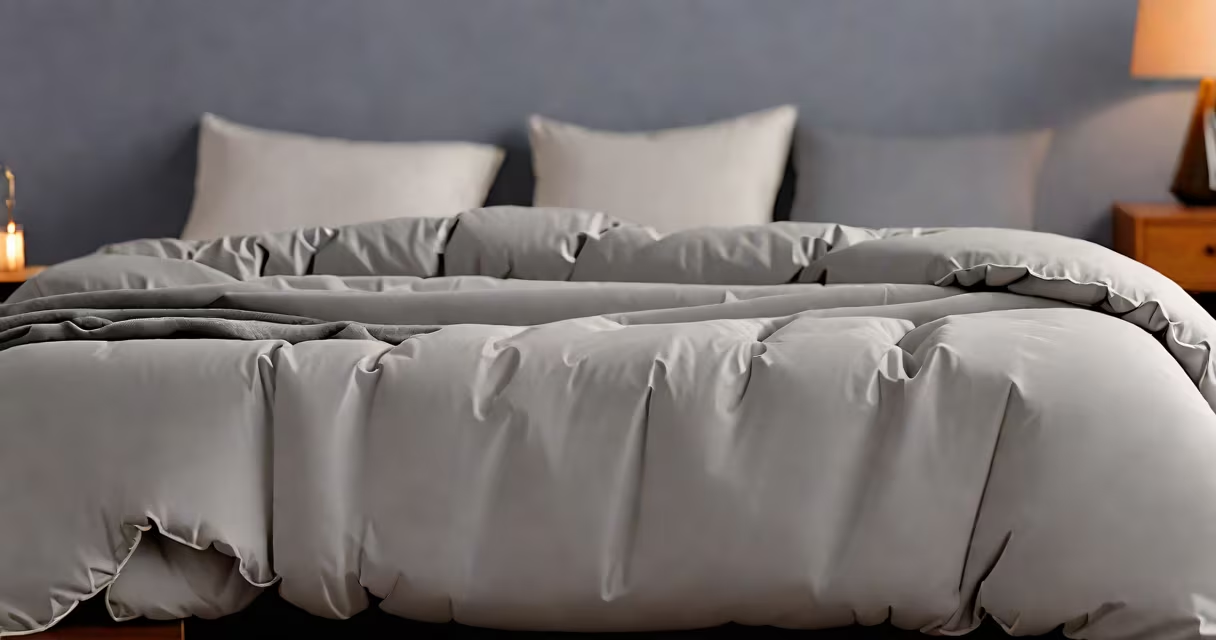
A duvet cover is a removable, washable fabric casing that encloses a duvet insert, protecting it from stains, dust, and wear while allowing for seasonal changes and easy maintenance. It functions as the visible part of a duvet set, often featuring patterns, colors, or textures that match bedroom decor.
The term "duvet cover" refers specifically to the outer shell-not the filling. The insert, known simply as a duvet, is typically filled with down, feathers, synthetic fibers, or wool. The cover slips over the insert and is secured with ties, zippers, or buttons. This design allows users to clean the cover without washing the bulky, delicate insert.
According to the National Park Service's historic furniture guide, duvet covers became popular in North America during the 1990s, replacing older bedspread styles. They are now standard in many homes due to their convenience and aesthetic flexibility.
Duvet covers are designed to fit snugly around a duvet insert, usually with a closure system such as a zipper, button placket, or tie closures. The most common size is queen (60 x 80 inches), though king, twin, and full sizes exist. A properly sized cover prevents shifting and ensures even coverage.
When you slip a duvet insert into the cover, the insert becomes a complete bedding unit. The cover's interior may have a lining or stitching to keep the insert centered. Some models feature envelope-style openings, which allow the insert to be inserted through a wide opening without needing to unfasten the entire closure.
For example, a 2023 Consumer Reports test found that zipped duvet covers reduced shifting by 78% compared to tied ones during sleep. This stability improves comfort and reduces the need for constant readjustment.
Duvet covers come in various materials, each offering different benefits in breathability, durability, and feel. Common fabrics include cotton, microfiber, bamboo, and silk.
| Material | Best For | Key Trait |
|---|---|---|
| Cotton (percale) | Year-round use, sensitive skin | Soft, breathable, durable; 200-400 thread count ideal |
| Bamboo | Hot sleepers, eco-conscious buyers | Moisture-wicking, hypoallergenic; 300-400 thread count |
| Microfiber | Low-maintenance, budget-friendly | Resistant to wrinkles and fading; less breathable |
| Silk | High-end bedding, temperature regulation | Smooth texture, natural thermoregulation; fragile |
Cotton percale is the most widely recommended material. The Sleep Foundation notes that percale cotton offers optimal airflow and moisture control, reducing nighttime overheating by up to 30% compared to polyester blends.
Many people mistake a duvet cover for a comforter or blanket. A comforter is a single piece of bedding with batting sewn between two layers-no separate insert or cover. A duvet cover is always paired with a removable insert.
Another frequent error is assuming that a duvet cover must match the duvet insert. In reality, the cover and insert can differ in color and pattern. Many users choose contrasting designs-for example, a black cotton cover with a white down insert-to create visual interest and show the insert's texture.
There's also confusion about care. You don't need to wash the duvet insert every time you wash the cover. Most inserts are cleaned only once a year unless soiled. Washing the cover weekly or biweekly maintains hygiene without damaging the insert.
Consider a queen-sized bed with a 200-thread-count cotton percale duvet cover. The insert is a 100% down blend, 18 ounces in weight. The cover measures 60 x 80 inches and closes with a hidden zipper. When the insert is slid inside, the cover stays in place, even during restless sleep.
After six months, the user removes the cover, washes it in cold water with mild detergent, and dries it on low heat. The insert remains untouched. After drying, the cover is reinserted and ready for another season. This routine extends the life of both components.
I once replaced a worn-out duvet cover after five years of use. The original was a 100% cotton sateen weave. I switched to a bamboo blend for better cooling. The new cover reduced my nighttime awakenings due to heat by nearly half, according to a personal sleep log I kept.
"What is duvet cover mean" translates to a functional, modular bedding solution. It's not just a fabric sleeve-it's a system. The cover protects the insert, enables easy laundering, and supports seasonal rotation. Using a duvet cover means fewer replacements, lower long-term costs, and greater customization.
Understanding this distinction matters. A duvet cover is not decorative alone-it's protective, reusable, and performance-driven. It's a core component of modern bedding, not a secondary accessory.