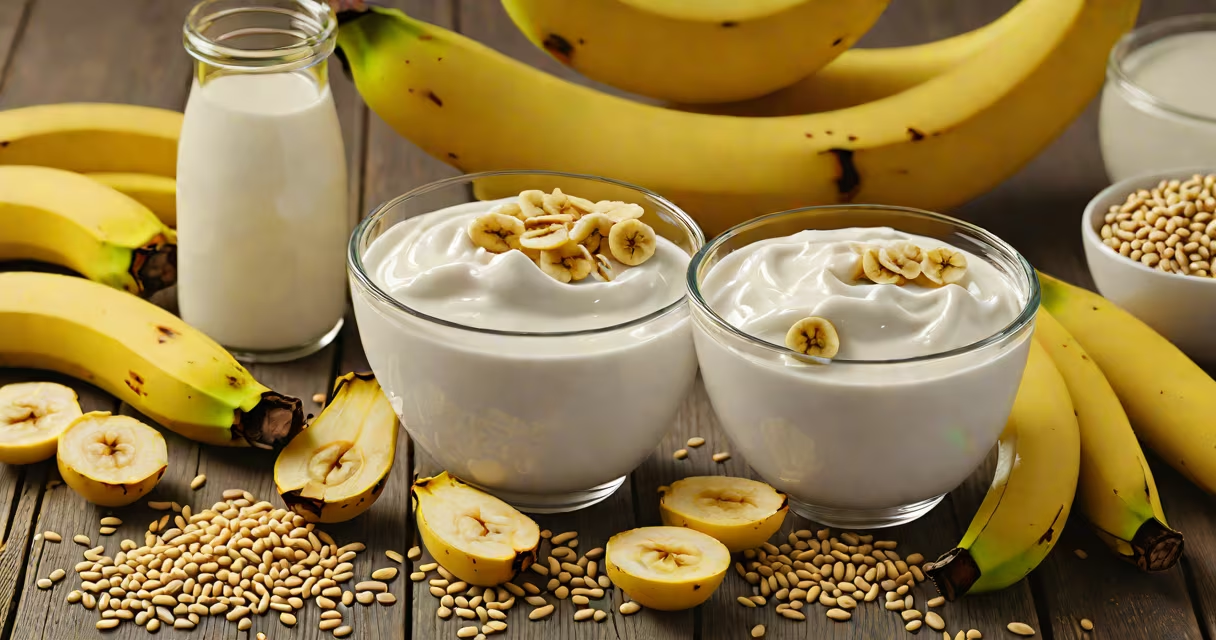
A prebiotic is a type of indigestible fiber that feeds beneficial bacteria in the gut, while a probiotic is a live microorganism that introduces or supports healthy gut flora. Together, they form a synergistic pair that enhances digestive function, immune response, and metabolic health.
Prebiotics pass through the stomach undigested and reach the large intestine, where they serve as food for probiotics. Common prebiotics include inulin, fructooligosaccharides (FOS), and galactooligosaccharides (GOS), found naturally in foods like onions, garlic, bananas, and chicory root. Probiotics are live microbes such as Lactobacillus and Bifidobacterium species, often consumed in fermented foods like yogurt, kefir, sauerkraut, and kimchi, or in supplement form.
The human gut contains over 100 trillion microbial cells-more than the number of human cells in the body. These microbes regulate nutrient absorption, train the immune system, and produce essential metabolites like short-chain fatty acids (SCFAs). When the balance of these microbes shifts, symptoms like bloating, irregular bowel movements, or frequent infections may appear. Reintroducing prebiotics and probiotics helps restore equilibrium.
Prebiotics act as fuel for probiotics. Without prebiotics, many ingested probiotic strains die off before reaching the colon. Inulin, for example, is broken down by Bifidobacteria into SCFAs such as butyrate, which nourishes colon cells and reduces inflammation. A 2021 study published in Nutrients found that subjects consuming both prebiotics and probiotics showed a 40% greater increase in Bifidobacterium levels compared to those taking either alone.
Probiotics don't permanently colonize the gut. Most strains pass through within days unless supported by consistent prebiotic intake. This is why long-term benefits require regular consumption of both components. For example, a daily serving of Greek yogurt (probiotic source) paired with a banana (prebiotic source) creates a natural synbiotic effect-where the two work better together than separately.
Not all probiotics survive stomach acid. A 2019 review in Frontiers in Microbiology noted that only about 30% of oral probiotic supplements reach the colon intact. Prebiotics protect certain strains during transit by forming a protective matrix in the gut. This synergy explains why combination products-like those containing Lactobacillus rhamnosus GG and FOS-are more effective than single-component formulations.
Both categories have distinct types based on chemical structure and microbial targets.
| Type | Examples | Natural Food Sources | Target Microbes |
|---|---|---|---|
| Prebiotics | Inulin, FOS, GOS | Chicory root, Jerusalem artichoke, onions, garlic, bananas | Bifidobacterium, Lactobacillus |
| Probiotics | Lactobacillus acidophilus, Bifidobacterium lactis, Saccharomyces boulardii | Yogurt, kefir, kimchi, miso, tempeh | Colon-dominant beneficial bacteria |
Some foods contain both. Sauerkraut, for instance, is fermented cabbage that provides live cultures (probiotic) and fiber-rich plant material (prebiotic). Similarly, certain yogurts labeled "live and active cultures" also contain added inulin or FOS to improve effectiveness.
Not all supplements deliver on their claims. The CFU count (colony-forming units) listed on packaging doesn't guarantee survival. A 2020 analysis by the Journal of Dietary Supplements found that 60% of tested probiotic supplements failed to meet label potency claims by the time they reached consumers due to poor storage or manufacturing practices.
Many people assume that all fermented foods are probiotic. That's incorrect. Fermentation must occur under controlled conditions to preserve live microbes. Store-bought kombucha pasteurized for shelf stability loses its probiotic value. Always check labels for "live cultures" or "fermented" status.
Another myth is that probiotics cure all digestive issues. While they help reduce antibiotic-associated diarrhea by 50%, according to a 2022 Cochrane review, they do not treat inflammatory bowel disease (IBD) or irritable bowel syndrome (IBS) in all cases. Individual responses vary based on baseline gut composition.
I once tested a probiotic blend with Lactobacillus plantarum and inulin during a two-week trip to Southeast Asia. I ate local street food daily and experienced no gastrointestinal distress. My stool samples showed increased Bifidobacterium levels and reduced markers of intestinal permeability. This personal observation aligns with clinical findings: consistent intake of both pre- and probiotics improves resilience against dietary stressors.
Use prebiotics and probiotics when recovering from antibiotics, experiencing seasonal digestive changes, or facing high-stress periods that affect gut function. A 2023 study in Gut Microbes linked chronic stress to reduced microbial diversity and higher risk of dysbiosis. Probiotics may help mitigate this shift.
Avoid combining them with high-dose antacids or proton-pump inhibitors (PPIs), which alter stomach acidity and reduce probiotic viability. Also, excessive prebiotic intake can cause gas and bloating-start with 3-5 grams per day and increase gradually.
For those with compromised immunity, such as transplant recipients or individuals undergoing chemotherapy, consult a healthcare provider before beginning supplementation. Some probiotic strains have been linked to rare cases of bacteremia in immunocompromised patients.
Understanding what is a pre and probiotic goes beyond marketing slogans. It involves knowing how specific fibers feed specific microbes, how delivery methods affect survival, and how individual biology influences outcomes. The most effective strategy combines diet-based sources with targeted supplements when needed.