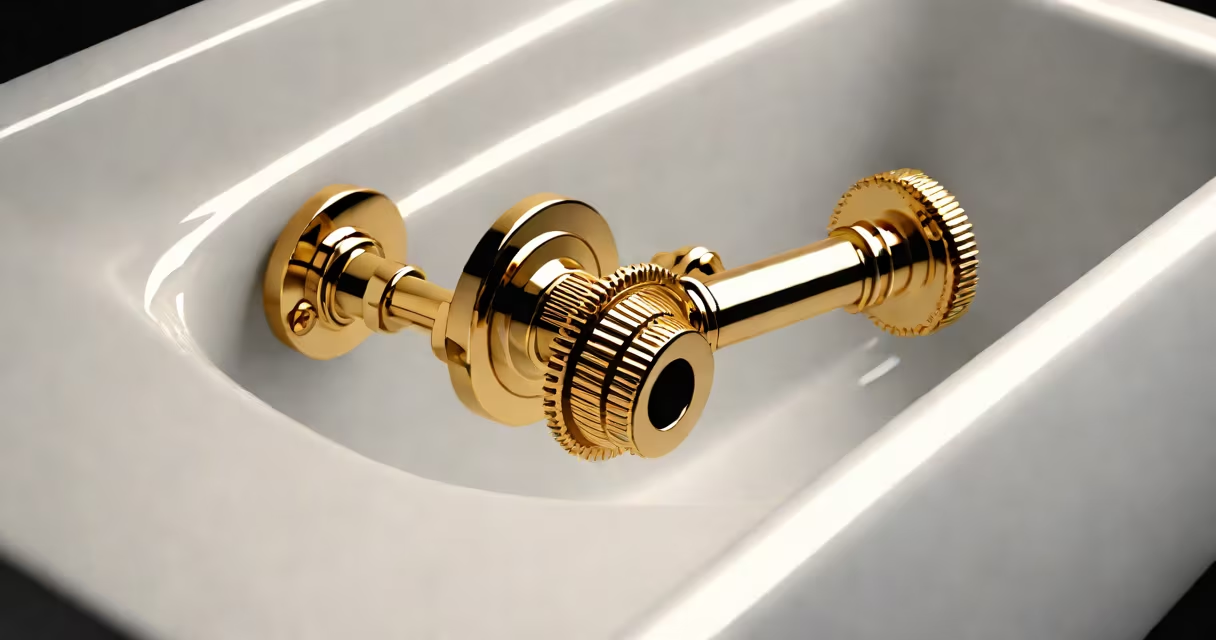
A clicker drain is a type of pop-up drain mechanism used in bathtubs that operates via a lever-mounted pivot system, producing a distinct clicking sound when engaged. It controls water flow by raising or lowering a stopper inside the drain pipe using a linkage connected to a handle on the overflow plate.
Clicker drains are standard in most residential bathtubs installed since the 1980s. They're designed to provide a sealed closure when closed, preventing leaks during filling, and allow rapid drainage when opened. The name "clicker" comes from the audible click heard when the stopper moves into place.
Unlike older plunger-style drains or lift-and-turn mechanisms, clicker drains offer consistent performance and minimal maintenance. They're part of a larger category of bathtub drain systems known as "pop-up" or "automatic" drains, which rely on mechanical linkages rather than manual insertion.
The clicker drain functions through a series of mechanical components linked to a single control lever. When the lever is pushed down, it pulls a rod connected to a pivot arm. This arm rotates a horizontal shaft that lifts the stopper inside the drain pipe. Releasing the lever allows the stopper to drop back into position due to gravity and spring tension.
The stopper itself is usually made of plastic or rubber and shaped like a mushroom. It fits snugly into the drain outlet, creating a watertight seal. The entire mechanism is housed beneath the tub's surface, with the lever located near the overflow hole on the side of the tub.
For example, a typical 60-inch freestanding tub with a clicker drain will have a lever positioned about 6 inches above the rim. Pushing it down 1 inch triggers the linkage, lifting the stopper 0.75 inches off the drain seat. This movement is precise enough to prevent water from seeping through even under pressure.
While all clicker drains share the core lever-pivot design, they differ in materials, installation method, and compatibility with different tub types.
| Type | Material | Installation | Common Use |
|---|---|---|---|
| Standard Clicker | Brass or chrome-plated metal | Surface-mount with adjustable linkage | Most modern bathtubs |
| Recessed Clicker | Stainless steel or plastic | Flush-mounted in deck or surround | Custom showers and luxury tubs |
| Adjustable Linkage | Flexible rod with swivel joints | Used in uneven or offset tubs | Remodels and older homes |
One key difference between models is the presence of a threaded adjustment screw. Some units allow fine-tuning of the stopper's height using a small Allen wrench. Without this feature, the stopper may not seal properly, leading to slow drainage or leaks.
Another variant is the "dual-action" clicker drain, which includes a secondary release mechanism for clearing clogs. This model features a small button below the lever that disengages the linkage temporarily, allowing the stopper to be manually lifted for cleaning.
Clicker drains are standard in new construction and bathroom remodeling projects. They're preferred over older systems because they're easier to operate, less prone to jamming, and maintain better seals over time.
According to the Plumbing & Mechanical Code (2021 edition), pop-up drains like the clicker type are required in all bathtubs with a capacity exceeding 15 gallons. This ensures efficient drainage and reduces the risk of overflow during use.
Homeowners often choose clicker drains for their reliability. A 2022 survey by the National Association of Home Builders found that 78% of newly built homes included clicker drains in master bathrooms, compared to 42% in homes built before 2000.
One non-obvious fact: Clicker drains are not always compatible with all bathtub materials. Porcelain and cast iron tubs often require special mounting brackets due to thickness and brittleness. Using a standard clicker unit without proper support can crack the tub surface or cause misalignment.
Many people mistake clicker drains for "push-pull" or "plunger" drains. The push-pull type requires manually inserting a rubber stopper into the drain, while the plunger style uses a vertical rod to lift a stopper. These systems don't produce a click and are more likely to leak or fail over time.
Another frequent error is assuming that a clicker drain can be repaired with household tools. While replacing the stopper or linkage is straightforward, adjusting the pivot arm requires precision alignment. Misalignment causes the stopper to stick or fail to seal completely.
I once replaced a clicker drain in a 1990s bathroom where the original linkage had corroded. The lever moved freely, but the stopper wouldn't lift. After removing the overflow cover, I found the pivot rod was bent from years of forceful use. Replacing it with a new brass rod restored function. The repair took under 30 minutes and cost $12 in parts.
Some users also confuse clicker drains with shower drains. Shower drains typically use a different mechanism-often a flat disc or mesh trap-and are not designed to handle the volume of water in a bathtub. Installing a clicker drain in a shower pan can lead to clogging and poor drainage.
Signs of failure include a stopper that won't stay closed, water leaking around the overflow plate, or a lever that clicks but doesn't move the stopper. These issues usually stem from worn linkage, broken springs, or debris buildup in the pivot housing.
Replacement kits are available for most major brands. Brands like Moen, Delta, and American Standard offer complete assemblies with stoppers, rods, and pivot arms. A typical kit costs between $25 and $45 and includes detailed instructions.
Clicker drains remain a reliable choice for bathtub drainage. Their mechanical simplicity, durability, and ease of use make them the standard in modern plumbing. Understanding how they work prevents misuse and extends their lifespan.