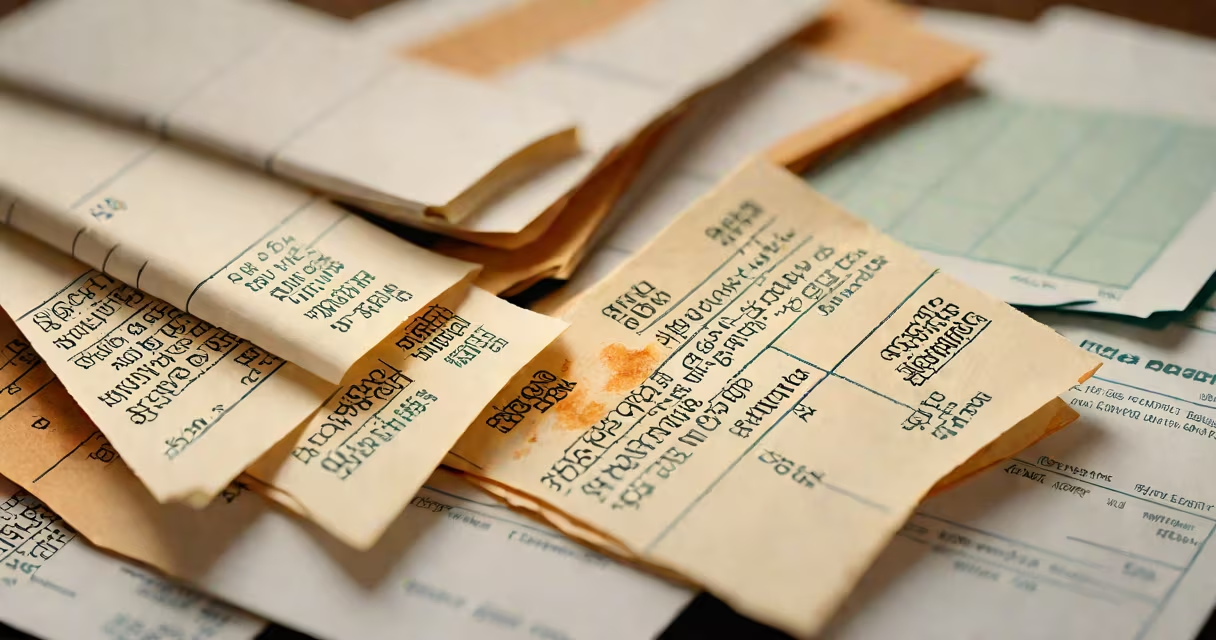
Receipt accounting definition refers to the process of recording and maintaining transaction documentation-such as sales slips, invoices, and digital payment confirmations-for financial accuracy, tax compliance, and audit readiness. These documents serve as primary evidence of business transactions and are required by the IRS for deductible expenses.
Receipts are not just paper trails-they are legally binding proof of purchase, service rendered, or payment received. Without them, businesses risk disallowed deductions during audits. The IRS mandates that all income and expenses be supported by credible records, and receipts fulfill that requirement.
For small businesses and freelancers, receipt accounting is often the foundation of bookkeeping. A single unrecorded receipt can lead to underreported income or missed deductions. Proper handling begins with immediate capture-either physically or digitally-and consistent categorization within an accounting system.
When a business makes or receives money, the transaction must be documented. A receipt provides a timestamp, amount, vendor name, and description of goods or services. This data flows into an accounting system, where it's matched to the correct account-like "Office Supplies" or "Travel Expenses."
Modern tools automate much of this. Apps like QuickBooks, FreshBooks, and Expensify scan receipts via smartphone cameras, extract key fields using OCR (optical character recognition), and auto-categorize entries. These systems sync with bank feeds and credit card statements, reducing manual entry errors.
For example, a freelance graphic designer spends $45 on a software license. They take a photo of the receipt, upload it to their accounting app, and assign it to the "Software Subscription" category. The system logs the date, amount, and purpose. When tax season arrives, this entry supports a legitimate deduction.
Not all receipts carry equal weight in accounting. The type determines how long it must be kept and whether it qualifies for tax purposes.
| Type | Use Case | Retention Period | IRS Requirement |
|---|---|---|---|
| Sales receipt | Customer purchase confirmation | 7 years | Required for income verification |
| Expense receipt | Business-related spending | 7 years | Needed for deductible claims |
| Bank statement | Monthly transaction summary | 7 years | Supplements but doesn't replace receipts |
| Digital invoice | Service billing from vendors | 7 years | Valid if includes itemized details |
The IRS requires that all records be retained for at least seven years. This applies even if a business uses cloud-based accounting software-the digital copy must be stored securely and accessible upon request.
A common mistake is treating bank statements as complete replacements for receipts. While they show transaction amounts and dates, they lack detail about what was purchased. For instance, a $120 charge on a statement labeled "Gas Station" doesn't specify fuel type or quantity. A receipt does.
Many assume that electronic records aren't valid unless printed. This is false. The IRS accepts digital files as long as they're legible, unaltered, and stored in a format that preserves integrity. PDFs, scanned images, and cloud backups meet these criteria.
Another misconception is that only cash or check transactions require receipts. Digital payments through PayPal, Stripe, or Apple Pay generate automated transaction histories. These are acceptable substitutes-but only if they contain all necessary elements: date, amount, payee, and description.
Here's a real-world correction: A client once submitted a screenshot of a Google Pay transaction with no merchant name or item breakdown. The IRS rejected the claim. The lesson? A receipt must be specific. A generic "$25.00 - Payment" lacks context. A proper receipt shows "$25.00 - Office Chair, Amazon.com, Order #123456789."
I once audited a small consulting firm that had lost five years' worth of receipts due to poor filing. They used a shared drive with no naming convention. When the IRS requested proof of travel deductions totaling $3,200, they couldn't produce records. The agency disallowed the entire amount and imposed penalties.
This happened because the team treated receipts as temporary. But in accounting, they are permanent evidence. Each receipt contributes to a chain of trust that verifies financial behavior over time.
Proper receipt accounting prevents disputes, reduces audit risk, and ensures compliance with both federal and state regulations. It's not optional-it's foundational.
Receipts don't measure asset wear or value decline. They track actual cash outflows. You can't depreciate a coffee purchase-even if you buy it daily. But you can deduct it as a recurring expense if documented properly.
Understanding this distinction prevents misclassification. Mislabeling a $200 printer as a "depreciable asset" when it's actually a consumable office supply leads to incorrect tax filings.
Start by setting a clear policy: every business expense must have a receipt. Use a dedicated folder or app to store them. Name files consistently-e.g., "2024-05-15_Delivery_Food_12345.pdf".
Digitize everything. Even if you keep physical copies, scan them at 300 DPI and save in PDF format. Store backups in encrypted cloud storage with version control.
Review monthly. Audit your records against bank statements. Flag discrepancies early. Use accounting software that flags missing receipts for high-value transactions.
Final reminder: the IRS doesn't require original paper receipts. Digital versions are valid. But they must be authentic, complete, and traceable. A receipt accounting definition isn't about form-it's about function.
With consistent practice, receipt accounting becomes routine. It's not a burden-it's a safeguard. Every receipt logged today strengthens your financial integrity tomorrow.