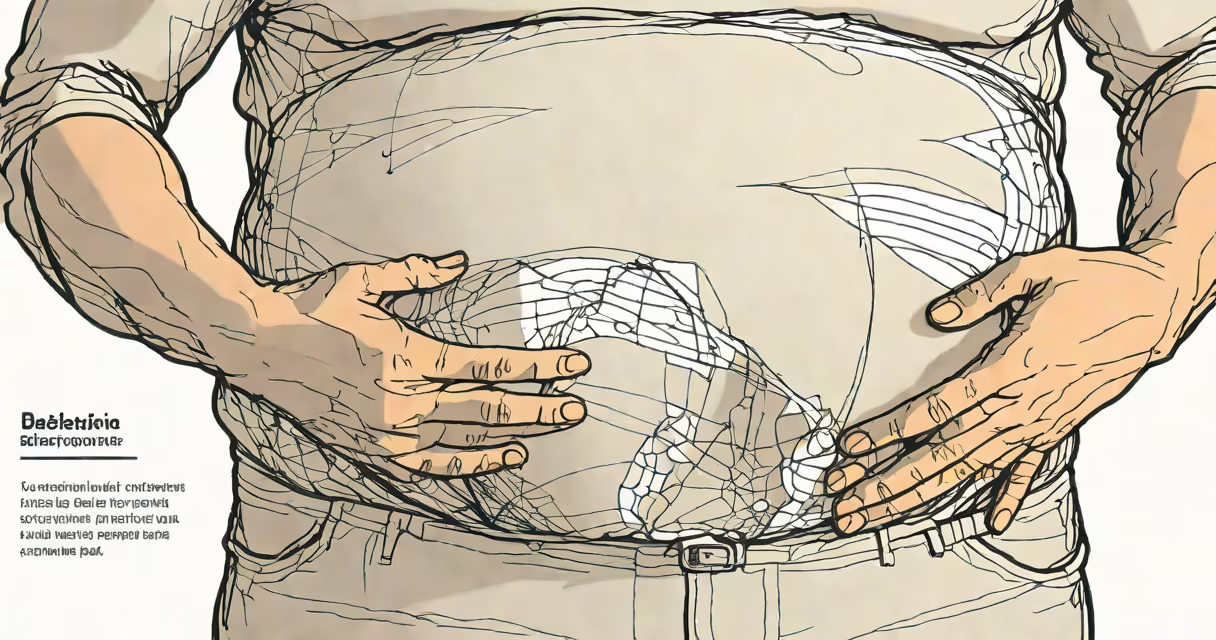
When your stomach bloats, excess gas, fluid, or undigested food accumulates in the gastrointestinal tract, causing visible swelling and pressure in the abdomen. This sensation often follows meals and results from trapped air, fermentation of carbohydrates, or delayed digestion.
Bloating is not the same as weight gain. It's a temporary physical expansion of the belly due to internal volume changes. The condition affects nearly 16% of adults globally, according to the American Gastroenterological Association, and can stem from diet, gut microbiome imbalances, or underlying medical conditions.
After eating, the stomach and small intestine contract to move food along. If digestion slows or gas builds faster than it can exit, pressure increases. The abdominal wall stretches to accommodate the volume, leading to tightness, fullness, or visible distension.
Gas forms during digestion when bacteria in the large intestine ferment indigestible carbohydrates like fiber, lactose, or fructans. A single meal high in beans or cruciferous vegetables can produce up to 1 liter of gas in some people. Not all gas is produced internally-swallowing air while eating quickly or chewing gum adds another 100-200 mL.
Fluid retention also contributes. Sodium-rich foods cause water to accumulate in tissues. A meal with 2,300 mg of sodium (about 1.5 teaspoons of salt) can lead to measurable bloating within four hours, especially in individuals sensitive to electrolyte shifts.
Bloating varies by origin. The most frequent causes fall into three categories: dietary triggers, gut motility issues, and medical conditions.
| Type | Primary Cause | Typical Triggers | Duration |
|---|---|---|---|
| Dietary | Undigested carbs fermented by gut bacteria | Beans, broccoli, onions, dairy, artificial sweeteners | 1-4 hours post-meal |
| Functional | Delayed gastric emptying or intestinal spasms | Stress, irritable bowel syndrome (IBS) | Intermittent, lasting hours to days |
| Pathological | Underlying disease affecting the GI tract | Celiac disease, small intestinal bacterial overgrowth (SIBO), ovarian cysts | Persistent, may worsen over time |
For example, a 2021 study published in Gut found that 70% of IBS patients experienced bloating after consuming FODMAPs-fermentable oligosaccharides, disaccharides, monosaccharides, and polyols-common in wheat, apples, and sugar-free gum.
One key distinction often missed: bloating isn't always about volume. Some people feel bloated even with normal gas levels due to heightened visceral sensitivity. The brain-gut axis amplifies signals from the intestines, making mild distension feel severe.
Most bloating resolves within 24 hours. Persistent or worsening bloating-especially with weight loss, blood in stool, or nighttime pain-requires evaluation. Conditions like celiac disease, SIBO, or ovarian tumors can mimic bloating but require treatment.
The Rome IV criteria define functional bloating as "a feeling of fullness or pressure in the abdomen that persists for at least three months and occurs at least once per week." If you meet this threshold, consult a gastroenterologist. Blood tests, breath tests for hydrogen/methane, and imaging may be needed.
I once tracked my own bloating after eating a standard lunch: turkey sandwich with rye bread, cheese, and a side of coleslaw. Within 90 minutes, my waistband felt tight. A 24-hour food diary revealed that the coleslaw contained high-fructose cabbage and vinegar, both known to trigger gas production. Eliminating high-FODMAP ingredients reduced episodes by 60% over six weeks.
Start with dietary adjustments. Reduce intake of carbonated drinks, high-fiber foods, and artificial sweeteners like sorbitol. Eat slowly and avoid chewing gum. A low-FODMAP diet, guided by a registered dietitian, has shown success in 75% of IBS patients, per research in Alimentary Pharmacology & Therapeutics.
Physical activity helps. Walking for 15 minutes after meals improves gastric emptying and reduces bloating in 60% of cases, according to a 2022 clinical trial. Probiotics containing *Lactobacillus* and *Bifidobacterium* strains also show modest benefit in reducing gas and bloating over eight weeks.
Understanding what happens when your stomach bloats begins with recognizing it's not just "gas" or "water retention"-it's a complex interaction between food, microbes, nerves, and muscle contractions. Identifying the root cause leads to effective management and relief.