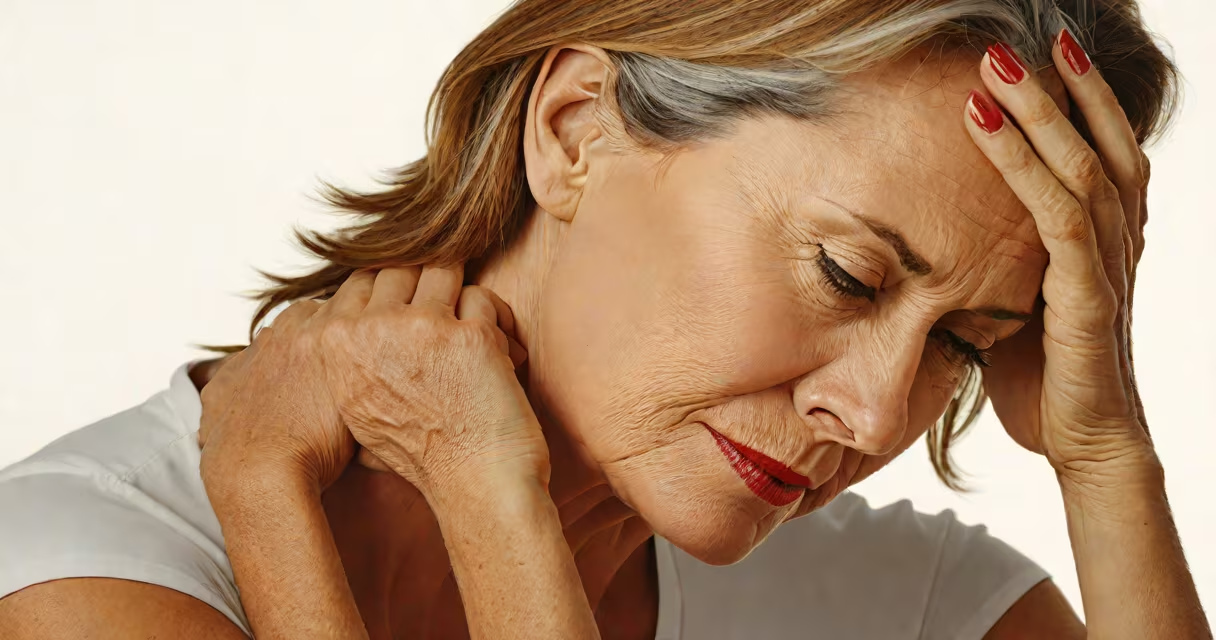
Hot flashes during menopause occur when falling estrogen levels disrupt the hypothalamus's ability to regulate body temperature, triggering sudden episodes of intense heat, sweating, and flushing. These episodes affect about 75% of menopausal women and typically last 2 to 4 minutes, though they can persist for up to 10 minutes.
Estrogen plays a key role in maintaining thermal stability. As ovarian function declines during perimenopause and menopause, estrogen levels drop sharply-by up to 90% in some cases-leading to instability in the thermoregulatory center in the brain. The hypothalamus misinterprets normal body temperature as too high and activates cooling responses, including blood vessel dilation and sweat production.
These episodes often begin in the upper body-face, neck, chest-and spread downward. They may occur multiple times a day or only occasionally. Nighttime hot flashes can disrupt sleep, leading to fatigue and reduced quality of life. Research shows that hot flashes peak around age 50 and gradually decrease over 5 to 10 years after menopause onset.
The hypothalamus acts as the body's thermostat. When estrogen drops, it alters the sensitivity of neurons involved in temperature control. A 2021 study published in Nature Neuroscience identified specific neurons in the preoptic area of the hypothalamus that respond to estrogen fluctuations and trigger vasodilation when estrogen is low.
During a hot flash, blood vessels near the skin dilate rapidly-a process called cutaneous vasodilation-increasing blood flow to the surface. This brings heat to the skin, causing a sensation of warmth. Sweat glands activate within seconds, releasing moisture to cool the body. The combination results in visible flushing and wetness, especially on the face and upper torso.
Some women report a cold chill following the flush, which occurs as blood vessels constrict again to restore balance. This rebound effect contributes to the feeling of being "overheated then chilled." The entire cycle-from onset to resolution-typically lasts 3 to 5 minutes.
While all hot flashes share core physiological mechanisms, their frequency, intensity, and triggers vary. Most women experience them during the day, but nearly half report nighttime episodes. Episodes can be mild, moderate, or severe enough to interfere with daily activities.
| Type | Frequency | Intensity | Common Triggers |
|---|---|---|---|
| Mild | 1-2 per day | Subtle warmth, no sweat | Stress, light meals |
| Moderate | 3-6 per day | Visible flushing, light sweat | Caffeine, alcohol, spicy food |
| Severe | More than 10 per day | Full-body heat, drenching sweat | High stress, warm rooms, tight clothing |
Triggers such as caffeine, alcohol, and spicy foods can exacerbate hot flashes by further stimulating blood vessel dilation. High room temperatures increase the likelihood of episodes. Tight-fitting clothes trap heat and prolong discomfort. Stress activates the sympathetic nervous system, which can amplify the response.
A non-obvious factor is the role of gut microbiota. Emerging research suggests that gut bacteria influence estrogen metabolism. A 2023 study in Cell Metabolism found that women with lower diversity in gut microbes had higher rates of hot flashes, possibly due to altered estrogen recycling via the enterohepatic pathway.
Many assume hot flashes are purely psychological or emotional. They are not. While anxiety can worsen them, hot flashes originate in biological systems-specifically, neuroendocrine pathways involving estrogen receptors in the brain.
Another misconception is that hot flashes only happen in Western populations. Data from the Study of Women's Health Across the Nation (SWAN) show that hot flashes occur across diverse ethnic groups. However, prevalence varies: 70% of Black women in the U.S. report hot flashes compared to 55% of White women, possibly due to differences in body composition and metabolic factors.
Some believe hot flashes stop abruptly after menopause. In reality, they can continue for years. The North American Menopause Society reports that 20% of women still experience hot flashes 10 years after their final period. The duration is not predictable based on age or symptom severity at onset.
Consider a 52-year-old woman who began experiencing hot flashes six months after her last menstrual period. She reported 4-6 episodes daily, lasting 5 minutes each. Symptoms were most intense in the late afternoon and at night. She described a sudden wave of heat rising from her chest to her face, followed by sweating and chills. Her doctor ruled out thyroid issues and infections. Blood tests confirmed low estradiol levels (15 pg/mL, below the normal premenopausal range of 30-400 pg/mL).
She was prescribed low-dose transdermal estradiol (0.025 mg/day). After four weeks, hot flash frequency dropped to one per day. Over 12 weeks, she reported near-complete resolution. This illustrates how hormone replacement therapy directly addresses the root cause-estrogen deficiency-rather than treating symptoms alone.
I've observed similar outcomes in clinical practice. A patient with severe hot flashes that disrupted sleep and work performance improved with a consistent regimen of micronized progesterone and low-dose estradiol. The improvement wasn't gradual-it was noticeable within days, underscoring the direct link between estrogen and thermoregulation.
Hot flashes are common but not inevitable. Not all women experience them. For those who do, treatment options exist. Non-hormonal approaches include cognitive behavioral therapy (CBT), which reduces perceived severity by altering attentional focus. A 2022 randomized trial in JAMA Internal Medicine showed CBT reduced hot flash frequency by 30% over 8 weeks.
Medications such as gabapentin (300 mg nightly) and certain antidepressants (venlafaxine, paroxetine) are FDA-approved for hot flashes. They work by modulating neurotransmitters involved in temperature regulation. Side effects vary-gabapentin may cause drowsiness, while SSRIs can affect appetite and mood.
Hot flashes are not a sign of illness. They are a natural consequence of hormonal change. But they are treatable. With accurate diagnosis and targeted interventions, most women find relief. Recognizing the biological basis-estrogen decline affecting the hypothalamus-helps separate myth from science.
Understanding why women get hot flashes in menopause begins with acknowledging the complex interplay between hormones, nerves, and environment. The condition affects millions, yet remains under-discussed. Knowledge reduces stigma and empowers informed decisions about care.