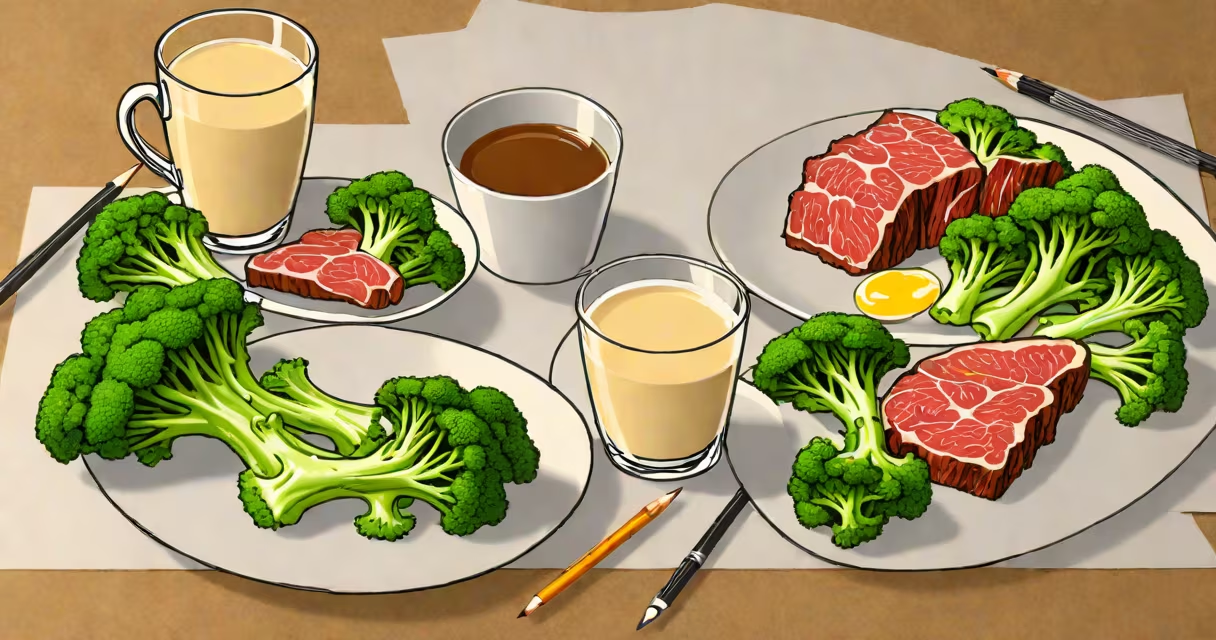
Before a colonoscopy, avoid high-fiber foods, red meat, dairy, and any solid foods that leave residue in the colon. A clear liquid diet begins 24 hours before the procedure to ensure a clean visual field during screening.
Colonoscopies require a completely empty colon to detect polyps, inflammation, or early signs of colorectal cancer. If food particles remain, they can obscure the view and lead to missed abnormalities. The goal is to minimize stool volume and eliminate undigested material from the lower digestive tract.
The standard prep involves a low-residue diet for 2-3 days before the test, followed by a clear liquid diet the day before. This sequence reduces intestinal contents to nearly nothing, allowing the endoscope to move freely and capture detailed images.
During a colonoscopy, a flexible tube with a camera is inserted through the rectum to examine the entire large intestine. Any remaining food or waste can block the lens or mimic lesions, leading to false positives or missed findings. The American Society for Gastrointestinal Endoscopy (ASGE) states that incomplete bowel preparation increases the risk of missing adenomas by up to 20%.
High-fiber foods like whole grains, nuts, seeds, and raw vegetables slow digestion and leave behind particulate matter. Red meat and fatty foods delay gastric emptying, increasing the chance of residue. Dairy products, especially those high in fat, can cause bloating and interfere with bowel cleansing.
A 2021 study published in Gastroenterology found that patients who consumed even small amounts of fiber within 24 hours of their colonoscopy had higher rates of inadequate prep compared to those who strictly followed clear liquid guidelines.
Not all foods are equally disruptive. Some contribute more residue, others affect gut motility or hydration. The following list outlines specific items to exclude:
| Foods to Avoid | Why They're Problematic | Examples |
|---|---|---|
| High-fiber grains | Resist breakdown; pass through unchanged | Oats, brown rice, quinoa, whole wheat bread |
| Nuts and seeds | Indigestible shells and oils irritate the bowel lining | Almonds, sunflower seeds, chia, flax |
| Raw vegetables | Cell walls resist enzymatic digestion | Carrots, broccoli, kale, celery |
| Red meat and fatty proteins | Delay gastric emptying; increase stool volume | Beef, lamb, bacon, fried chicken |
| Dairy products | Can cause mucus production and bloating | Milk, cheese, yogurt, ice cream |
Even small quantities of these foods can compromise prep quality. For example, eating a single slice of whole grain toast 12 hours before your procedure may result in residual particles visible under the endoscope.
Twenty-four hours before your colonoscopy, switch to a clear liquid diet. These liquids pass through the intestines without leaving residue and help maintain hydration. Acceptable options include:
Do not consume anything with red, purple, or blue coloring. These dyes can mimic blood or polyps during imaging. A 2019 clinical trial showed that patients who drank red-colored liquids were misdiagnosed with bleeding in 14% of cases due to dye interference.
Many patients assume that "light" meals are safe. Eating scrambled eggs, toast with jam, or a small salad the night before is not acceptable. Even seemingly harmless items like peanut butter or mashed potatoes contain fats and fibers that hinder cleansing.
Another error is assuming that drinking more laxatives improves results. Overuse of bowel prep solutions leads to dehydration, electrolyte imbalance, and increased nausea. The standard regimen-usually two doses of polyethylene glycol (PEG) solution-is sufficient when combined with dietary restrictions.
I once observed a patient arrive late for his colonoscopy because he ate a banana and a granola bar during the prep window. His exam was delayed by 90 minutes while staff reviewed his medical history and adjusted the schedule. He later admitted he thought "a little snack wouldn't hurt." It did.
Follow a low-residue diet for 2-3 days before the procedure. Focus on easily digestible, low-fiber foods:
These foods reduce intestinal bulk and prepare the colon for effective cleansing. The Mayo Clinic recommends avoiding all fruits and vegetables with skins or seeds, including berries, oranges, and tomatoes.
After the procedure, resume normal eating gradually. Start with bland, soft foods like bananas, rice, applesauce, and toast (BRAT diet) to ease digestion.
If you have diabetes, kidney disease, or heart failure, discuss your prep plan with your provider. Standard PEG solutions can affect blood sugar and fluid balance. Alternatives exist, such as sodium picosulfate or magnesium citrate, but they require individualized dosing.
Patients on blood thinners like warfarin or clopidogrel should consult their physician about temporary dose adjustments. Some centers recommend holding anticoagulants 5 days before the procedure to reduce bleeding risk during polyp removal.
Following the correct diet ensures accurate results and reduces the need for repeat procedures. Skipping prep instructions increases the likelihood of needing a second colonoscopy, which delays diagnosis and raises healthcare costs.