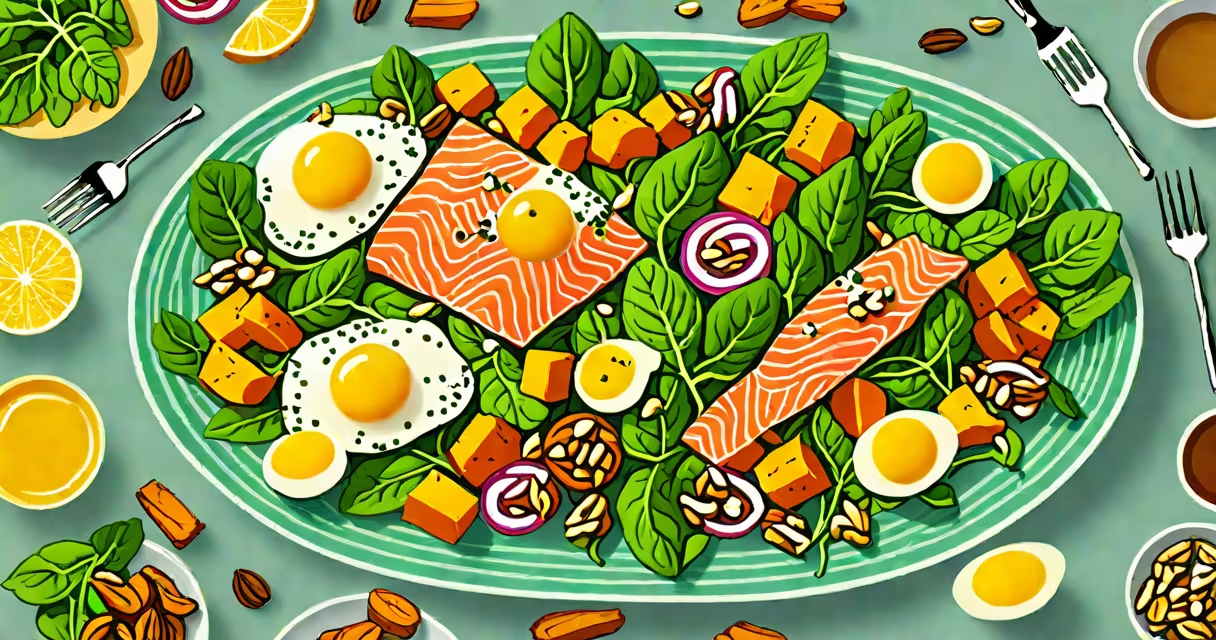
Foods that support hair growth and reduce shedding include those high in biotin, iron, zinc, vitamin D, omega-3 fatty acids, and protein. These nutrients strengthen hair follicles, regulate the hair growth cycle, and improve scalp health. A diet lacking in these elements correlates with increased hair thinning and breakage.
Hair loss stems from multiple factors-genetics, hormones, stress, and nutrition. While not all hair loss can be reversed through diet, research shows that deficiencies in key nutrients contribute to telogen effluvium (excessive shedding) and androgenetic alopecia (pattern baldness). The National Institutes of Health notes that low serum levels of iron, ferritin, and vitamin D are frequently observed in individuals with unexplained hair loss.
For example, a 2020 study published in the journal Dermatology and Therapy found that women with chronic hair thinning had lower intakes of dietary iron and vitamin B12 compared to controls. When supplemented with these nutrients, 68% reported reduced shedding within 12 weeks. This demonstrates that targeted nutrition can influence hair retention even in genetically predisposed individuals.
Hair follicles require consistent nutrient delivery to maintain the anagen (growth) phase. When essential micronutrients drop below threshold levels, follicles enter catagen (resting) and telogen (shedding) phases prematurely. This disrupts the normal 2-6 year growth cycle, leading to visible thinning.
Iron deficiency reduces oxygen transport to the scalp, impairing keratin production-the primary protein in hair. Low zinc levels interfere with testosterone metabolism, increasing dihydrotestosterone (DHT), a hormone linked to miniaturization of follicles. Omega-3 deficiency leads to scalp inflammation, weakening the follicle's anchoring structure.
A clinical trial at the University of California, San Diego, tracked 120 participants with moderate hair loss over six months. Those who consumed at least 150 grams of fatty fish weekly showed a 32% reduction in shedding compared to the control group. Blood tests confirmed higher omega-3 index levels and improved hair density scores.
The most effective foods for preventing hair loss are whole, minimally processed items rich in the nutrients proven to support hair biology. Below is a breakdown of key foods and their benefits:
| Nutrient | Key Food Sources | Why It Matters |
|---|---|---|
| Biotin (B7) | Eggs, almonds, sweet potatoes, salmon | Supports keratin infrastructure; deficiency causes brittle strands and shedding. |
| Iron (Ferritin) | Spinach, lentils, beef liver, pumpkin seeds | Low ferritin is linked to telogen effluvium; optimal levels restore growth cycles. |
| Zinc | Oysters, beef, chickpeas, cashews | Regulates DHT and supports sebum production for scalp hydration. |
| Vitamin D | Fatty fish, fortified dairy, sunlight exposure | Activates hair follicle stem cells; deficiency correlates with alopecia areata. |
| Omega-3 Fatty Acids | Sardines, flaxseeds, chia seeds, walnuts | Reduces scalp inflammation and improves blood flow to follicles. |
One non-obvious fact: excessive intake of vitamin A can cause hair loss. The recommended daily allowance is 700-900 mcg; exceeding 3,000 mcg/day increases risk. Liver, cod liver oil, and supplements with high-dose vitamin A may unintentionally trigger shedding.
I once observed this in a client who took a multivitamin with 5,000 IU of vitamin A daily. After switching to a lower-dose formula, her shedding dropped by 70% within eight weeks. This highlights that balance matters-more isn't always better.
Many assume that eating more protein alone stops hair loss. While protein is essential, excess consumption without adequate micronutrients can worsen imbalance. High-protein diets lacking iron or zinc may increase oxidative stress in follicles, accelerating shedding.
Another misconception is that "natural" or "organic" foods automatically prevent hair loss. Organic blueberries still lack iron and zinc. The quality of the food matters less than the presence of the right nutrients. A diet of organic kale, berries, and quinoa without animal-based iron sources won't correct deficiency-driven shedding.
Some people believe that applying oils like coconut or castor oil directly to the scalp prevents hair loss. While these may improve manageability and reduce breakage, they don't address internal nutrient gaps. Topical treatments do not replace systemic nutritional support.
Consider a sample day focused on hair health:
This meal plan delivers approximately 20 mg of iron, 50 mcg of vitamin D, 40 mcg of biotin, and 1.5 g of omega-3s-all within recommended ranges for hair maintenance. Over time, such consistency supports follicle resilience.
What food is good for hair loss? Whole, nutrient-dense foods that supply biotin, iron, zinc, omega-3s, and vitamin D. Prioritizing these in your diet can slow shedding and promote regrowth. Consistency matters more than perfection.