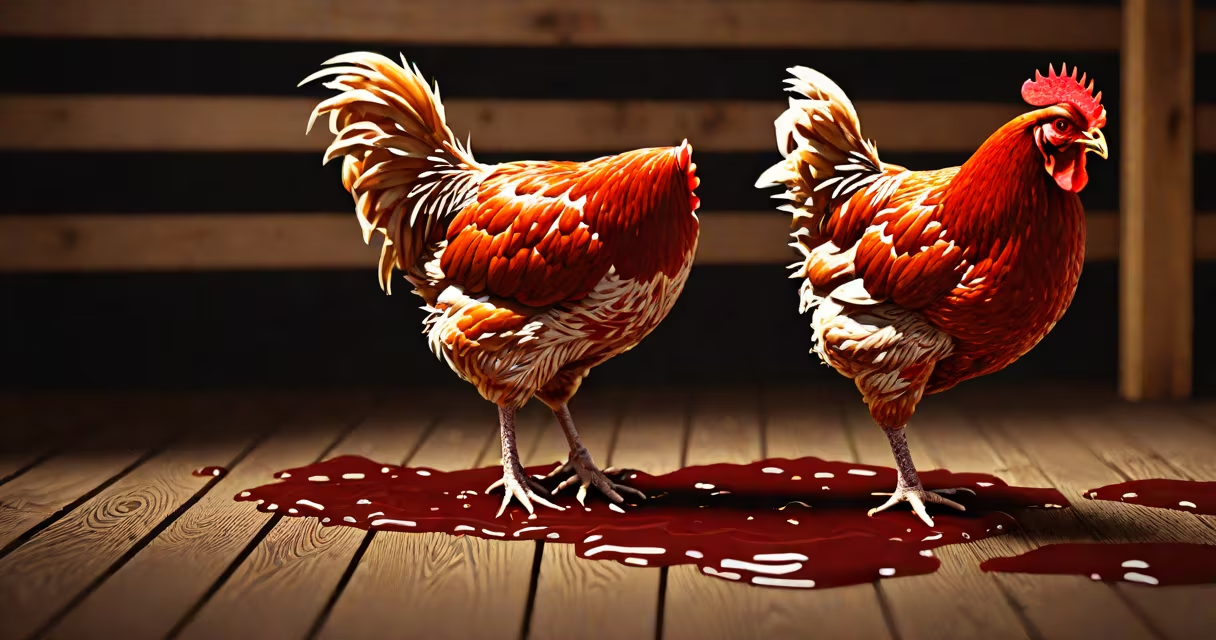
Chicken bloody stool refers to feces containing visible blood, often appearing as bright red streaks or clots, indicating gastrointestinal bleeding in poultry. This condition is not normal and requires immediate attention to prevent disease spread and mortality.
Blood in chicken droppings usually originates from the lower intestinal tract, including the ceca or rectum. The presence of blood suggests irritation, infection, trauma, or parasitic infestation. Left untreated, conditions causing bloody stool can lead to rapid decline in flock health and significant economic loss for small-scale and commercial producers alike.
According to the University of California Cooperative Extension, bloody stools in chickens are frequently linked to coccidiosis-a protozoan infection caused by *Eimeria* species. This parasite damages the intestinal lining, leading to hemorrhage and malabsorption. Early detection and treatment are critical to preventing severe morbidity and death.
The gastrointestinal tract of chickens processes feed through the crop, gizzard, small intestine, and large intestine. Blood appears in droppings when damage occurs in the lower tract, particularly in the ceca-paired blind sacs near the junction of the small and large intestines. These structures are highly susceptible to infection and inflammation.
When parasites like *Eimeria* invade the intestinal mucosa, they destroy epithelial cells and disrupt capillaries. As the gut lining erodes, blood mixes with fecal material and exits during defecation. The result is feces with a reddish tint or visible clots. In advanced cases, blood may appear as a dark, tarry substance due to oxidation, indicating older bleeding.
A 2021 study published in Avian Pathology found that coccidiosis accounts for over 60% of bloody stool cases in backyard flocks. Other causes include bacterial infections such as *Salmonella* or *Clostridium perfringens*, which cause necrotic enteritis. Trauma from overcrowding, sharp objects in bedding, or aggressive pecking can also rupture the intestinal wall.
Not all bloody stool is the same. The color and consistency of blood provide clues about the origin:
| Appearance | Probable Cause | Location of Bleeding |
|---|---|---|
| Bright red streaks or clots | Coccidiosis, trauma, internal parasites | Lower intestine, ceca, rectum |
| Dark, tarry feces | Older bleeding, possibly upper GI involvement | Small intestine or stomach |
| Watery with blood | Severe infection, necrotic enteritis | Small intestine |
Parasites such as gapeworms (*Syngamus trachea*) can cause blood in droppings indirectly. These worms live in the trachea and cause respiratory distress, but secondary infections and stress may lead to gastrointestinal bleeding. Similarly, mites and lice contribute to systemic stress, weakening immunity and increasing susceptibility to intestinal pathogens.
One non-obvious distinction: blood from the cloaca (the exit point for digestive, urinary, and reproductive tracts) may appear mixed with urates (white paste-like material). This can confuse owners who mistake it for a urinary issue. However, true bloody stool results from intestinal bleeding, not kidney or bladder problems.
Early signs of bloody stool include reduced appetite, lethargy, ruffled feathers, and decreased egg production. Affected birds may sit hunched, avoid movement, or isolate themselves. A single bird showing these symptoms warrants immediate isolation and examination.
In my own flock, I once noticed a young pullet with bright red specks in her droppings. She was less active than usual, and her comb had lost its vibrancy. After isolating her and collecting a fecal sample, a vet confirmed coccidiosis via microscopic analysis. Treatment with amprolium began within 24 hours. Without early intervention, she likely would have died within 48 hours.
Immediate steps include separating affected birds, cleaning and disinfecting housing areas, and testing fecal samples for parasites and pathogens. Avoid using antibiotics unless prescribed-overuse leads to resistant strains. Support recovery with electrolytes and probiotics to restore gut flora.
For persistent or worsening cases, consult a veterinarian experienced in avian medicine. The American Veterinary Medical Association notes that delayed treatment increases mortality risk by up to 70% in infected flocks.
Many assume bloody stool is always due to parasites. While coccidiosis is common, other factors like dietary imbalances or sudden environmental changes can trigger stress-induced colitis. High-protein diets or sudden feed changes may irritate the gut, mimicking infection.
Another misconception: blood in droppings always means a fatal illness. Not true. With prompt care, many birds recover fully. However, ignoring symptoms allows infection to spread rapidly-especially in confined spaces where fecal contamination is high.
Some confuse bloody stool with blood in the vent area (cloacal discharge). This is external and may stem from injury or egg-laying complications. True bloody stool originates internally and is expelled with feces, not separate from it.
Preventive measures reduce the likelihood of bloody stool. Maintain clean, dry bedding and avoid overcrowding. Provide fresh water daily and use medicated feed only under guidance. Regular fecal exams help detect subclinical infections before symptoms appear.
Stress reduction is key. Sudden noise, predators, or temperature swings weaken immune function. A calm environment supports gut health and resistance to infection. Vaccination against coccidiosis is available for commercial operations and can be considered for larger backyard flocks.
Understanding chicken bloody stool is essential for responsible poultry management. Recognizing the signs, knowing the causes, and acting quickly can save lives and preserve flock integrity.