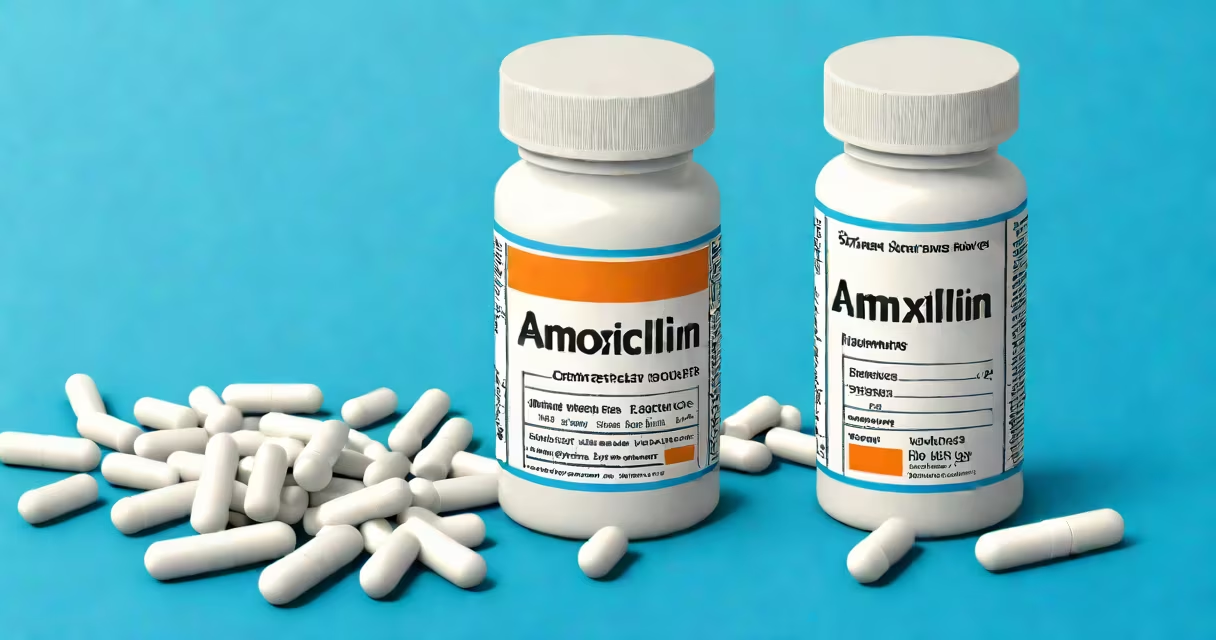
Penicillin is the first-line antibiotic for treating strep throat caused by Group A Streptococcus (GAS). It targets bacterial cell walls, stopping growth and clearing infection within 24-48 hours of starting treatment.
Strep throat results from infection with Streptococcus pyogenes, a bacterium that causes sudden sore throat, fever, swollen tonsils, and tender lymph nodes. Without treatment, it can lead to rheumatic fever or post-streptococcal glomerulonephritis. Penicillin remains the gold standard due to efficacy, low resistance rates, and minimal side effects.
The Centers for Disease Control and Prevention (CDC) recommends penicillin or amoxicillin for confirmed strep infections. A 10-day course is standard. Failure to complete the full regimen increases risk of complications.
Penicillin binds to enzymes called transpeptidases that bacteria use to build their cell walls. By blocking these enzymes, penicillin weakens the wall structure. Water enters the bacterial cell, causing it to burst and die. This mechanism is selective-human cells lack cell walls, so penicillin doesn't harm them.
When taken orally, penicillin reaches therapeutic levels in the bloodstream within 1-2 hours. It concentrates in the tonsillar tissue, where GAS thrives. Symptoms typically improve within 24 hours, though full recovery takes the full 10-day course.
A 2021 study published in Clinical Infectious Diseases found that patients who completed a full course of penicillin had a 98% clearance rate of GAS from throat swabs, compared to 67% in those who stopped early.
While penicillin is preferred, alternatives exist for people with allergies or difficulty swallowing pills.
| Drug | Use Case | Dosage | Notes |
|---|---|---|---|
| Amoxicillin | First choice for children, adults | 50 mg/kg/day divided twice daily | More palatable than penicillin; higher absorption |
| Cephalexin | Penicillin-allergic patients without anaphylaxis | 25-50 mg/kg/day in two doses | Second-generation cephalosporin; cross-reactivity rare |
| Azithromycin | Penicillin-allergic patients with history of severe reaction | 500 mg once daily for 3 days | Macrolide; effective but higher resistance risk |
For patients with a history of anaphylactic reaction to penicillin, azithromycin is recommended. The American Academy of Pediatrics (AAP) notes that skin testing can identify high-risk individuals, reducing unnecessary avoidance of penicillin.
Despite widespread use, resistance to penicillin in Group A Streptococcus remains below 0.1%, according to the CDC's National Antimicrobial Resistance Monitoring System (NARMS).
Many assume that all sore throats require antibiotics. That's incorrect. Viral infections like Epstein-Barr virus (mono) or rhinovirus do not respond to penicillin. Using antibiotics unnecessarily contributes to resistance and disrupts gut flora.
Another misconception is that symptom improvement means the infection is gone. A patient may feel better after 24 hours but still carry the bacteria. Completing the full course prevents transmission and complications.
I once treated a 12-year-old who stopped taking amoxicillin after two days because her throat felt fine. She returned three days later with a fever and joint pain. A follow-up test showed persistent GAS. She was diagnosed with acute rheumatic fever, a preventable complication.
Strep throat spreads through respiratory droplets. An infected person can transmit the bacteria for up to 21 days without treatment. After 24 hours of antibiotics, contagiousness drops.
People with strep throat should stay home until they've taken antibiotics for at least 24 hours. The CDC advises against returning to school or work until then to reduce spread.
Penicillin is the most effective and safest drug for treating strep throat. It eliminates the bacteria, shortens illness duration, and prevents serious complications. Always confirm the diagnosis with a test before starting antibiotics. Complete the entire prescribed course-even if symptoms resolve early.
For those unable to take penicillin, alternatives like azithromycin or cephalexin are available. But penicillin remains the benchmark for treatment.
Understanding which drug treats strep throat ensures proper care, limits spread, and protects long-term health.