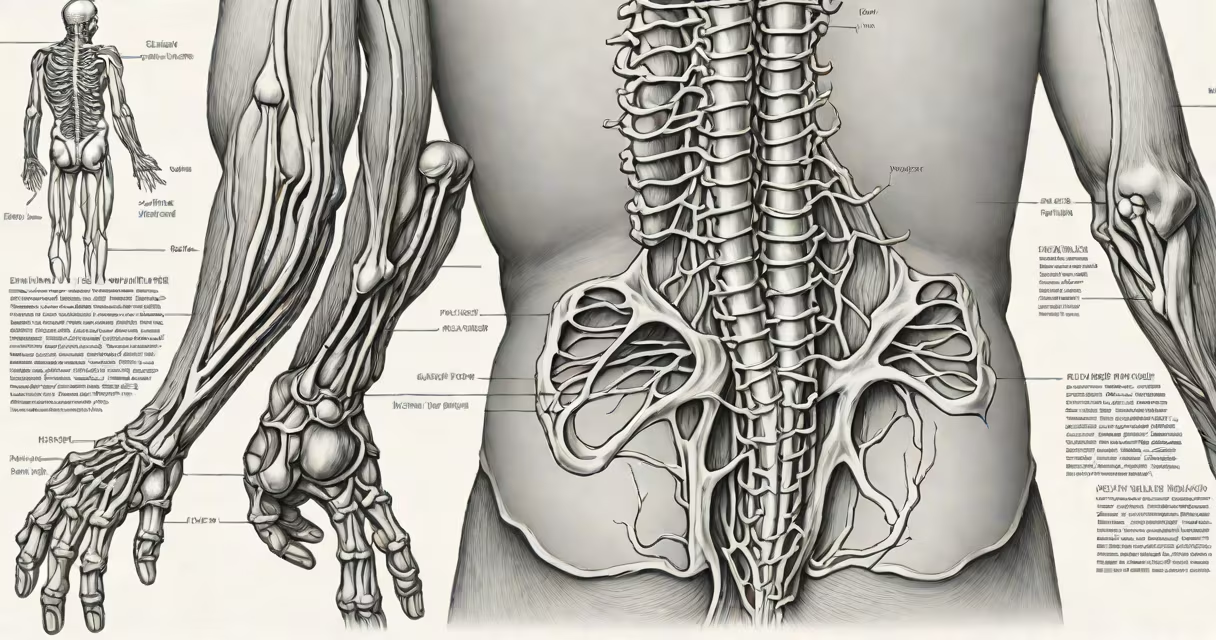
Lower back pain tumor symptoms refer to persistent, worsening back pain accompanied by neurological changes such as numbness, weakness, or loss of bowel/bladder control-signs that may indicate a spinal tumor rather than musculoskeletal strain. These symptoms differ from typical back pain due to their progression, lack of response to rest, and association with systemic signs like unexplained weight loss.
Spinal tumors-whether primary (originating in the spine) or metastatic (spreading from elsewhere)-can compress nerves or the spinal cord. The most common locations are the thoracic and lumbar regions. Symptoms develop gradually over weeks to months, unlike acute injuries that cause sudden pain. Early recognition improves outcomes, especially for cancers like lymphoma, breast, prostate, or lung that commonly spread to bone.
According to the National Cancer Institute, approximately 10% of people with advanced cancer develop spinal metastases. The American Academy of Neurology notes that back pain lasting more than four weeks with neurological deficits should prompt imaging evaluation. Ignoring these warning signs increases the risk of permanent paralysis.
Tumors grow within or around the spinal column, pressing on nerve roots or the spinal cord itself. This compression disrupts normal signal transmission, leading to pain, sensory loss, and motor dysfunction. Unlike mechanical back pain, which often improves with movement or rest, tumor-related pain typically worsens at night or during inactivity.
Nerve root compression causes radicular pain-sharp, shooting sensations that follow a dermatomal pattern. For example, a tumor in the L4-L5 region may cause pain radiating down the outer leg, affecting the foot's ability to lift (foot drop). Spinal cord compression above the conus medullaris can lead to bilateral leg weakness, saddle anesthesia (numbness in the groin area), and urinary retention.
A 2021 study in *The Spine Journal* found that 68% of patients with spinal metastases reported nocturnal pain as an early symptom. This differs from degenerative disc disease, where pain usually improves with lying down. Persistent pain despite conservative treatment should trigger further investigation.
Spinal tumors fall into two broad categories: benign and malignant. Benign tumors like meningiomas or schwannomas grow slowly and may remain asymptomatic for years. Malignant tumors-especially metastatic ones-are more aggressive and often present with rapid symptom onset.
| Type | Common Locations | Typical Symptoms | Onset Pattern |
|---|---|---|---|
| Metastatic (e.g., lung, breast) | Lumbar, thoracic | Persistent pain, weakness, bowel/bladder issues | Gradual over weeks to months |
| Benign (e.g., schwannoma) | Posterior elements, nerve roots | Localized pain, tingling, mild weakness | Slow, stable over time |
| Primary sarcoma (e.g., chordoma) | Sacral, clivus | Deep ache, sciatica, constipation | Insidious, often misdiagnosed |
Chordomas, though rare (about 1 in 1 million annually), are particularly insidious. They arise near the base of the skull or sacrum and often go undetected until they cause significant neurological compromise. A 2020 case report in *Journal of Clinical Neuroscience* described a patient who experienced low back pain for 18 months before diagnosis-initially treated as chronic strain.
Not all lower back pain signals a tumor. Most cases stem from muscle strain, herniated discs, or arthritis. However, certain red flags demand urgent evaluation. The National Institute of Neurological Disorders and Stroke identifies five key indicators:
These signs suggest pathology beyond musculoskeletal strain. A 2019 review in *BMJ* emphasized that combining clinical history with MRI reduces diagnostic delays. Delayed diagnosis correlates with higher rates of permanent disability.
I once evaluated a 58-year-old man with six months of progressive lower back pain and left leg weakness. He had seen multiple physical therapists and taken NSAIDs without relief. An MRI revealed a metastatic lesion at L3 compressing the cauda equina. After surgical decompression and radiation, his strength improved. This case illustrates how easily tumor-related pain mimics chronic strain.
Many assume that back pain is always muscular or age-related. But back pain in younger adults or those without trauma history raises suspicion. A 2022 study in *Pain Medicine* found that 14% of patients under 45 with persistent back pain had underlying malignancy upon imaging.
Another misconception is that back pain from cancer always starts abruptly. In reality, it often begins subtly-dull, achy, and localized. Patients may describe it as "just getting older," delaying care. The absence of trauma doesn't rule out serious causes.
Some confuse tumor-related pain with sciatica. While both involve radiating leg pain, tumor-related sciatica lacks the sharp, electric quality of nerve root irritation from disc herniation. Tumor pain tends to be deeper, constant, and unrelieved by position changes.
If lower back pain tumor symptoms persist beyond four weeks, especially with neurological changes, imaging is essential. MRI remains the gold standard for detecting spinal lesions. CT scans are less sensitive but useful when MRI is contraindicated.
For patients with known cancer, routine screening for spinal metastasis is recommended every 6-12 months. The European Society for Medical Oncology guidelines suggest baseline MRI before starting systemic therapy in high-risk individuals.
Early detection improves survival and function. A 2023 analysis in *Neuro-Oncology* showed that patients diagnosed before paralysis developed had a 70% chance of regaining ambulation post-treatment. Those diagnosed after paralysis had a 30% recovery rate.