People celebrate Earth Day on April 22 each year to recognize the planet's natural environment and advocate for its protection through education, activism, and sustainable practices. The day was founded in 1970 by U.S. Senator Gaylord Nelson to mobilize public concern over pollution and environmental degradation.
Earth Day began as a response to growing industrial pollution and the 1969 Santa Barbara oil spill, which drew national attention to environmental risks. The first Earth Day drew 20 million Americans to rallies and teach-ins across the country, leading to the creation of the U.S. Environmental Protection Agency (EPA) and the passage of key environmental laws like the Clean Air Act and Clean Water Act.
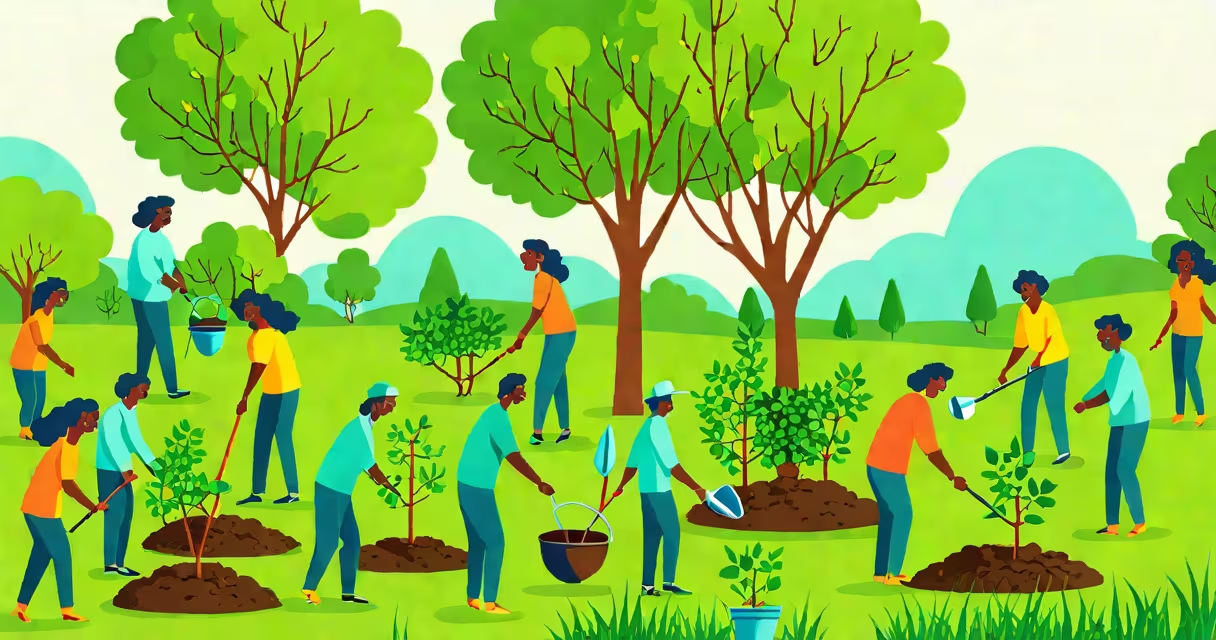
Today, Earth Day is observed in over 190 countries. Events range from community cleanups and tree plantings to school workshops and climate strikes. The United Nations supports Earth Day as part of its global sustainability goals, linking it to the 2030 Agenda for Sustainable Development.
Earth Day operates through coordinated local, national, and international efforts. Organizers use social media, educational institutions, and civic groups to spread messages about conservation, climate action, and environmental justice. The core idea is collective responsibility: individual actions, when multiplied, influence policy and corporate behavior.
Each year, Earth Day Network sets a theme to focus global attention. For example, the 2023 theme was "Invest in Our Planet," emphasizing climate finance and green jobs. Campaigns often include petitions, donation drives, and challenges like "plastic-free weeks" or "meatless Mondays." These activities translate awareness into measurable behavior change.
A 2021 study by the University of California, Berkeley, found that communities participating in Earth Day events reported a 15% increase in recycling rates and a 12% rise in support for renewable energy policies within six months. This shows Earth Day's role in shifting public habits and influencing local decision-making.
Activities vary widely based on region, culture, and available resources. The following table outlines common formats and their purposes:
| Activity Type | Purpose | Example |
|---|---|---|
| Tree Planting | Restore ecosystems, sequester carbon | Over 1 million trees planted in India's 2022 Earth Day campaign |
| Community Cleanups | Reduce waste, improve public spaces | San Francisco's annual cleanup removed 12 tons of trash in 2023 |
| Educational Workshops | Teach climate literacy, especially in schools | Seattle Public Schools hosted 300 student-led sustainability projects |
| Climate Marches | Advocate for policy change, build political pressure | Global Earth Day marches in 2022 drew over 1 million participants in 150 cities |
These activities are not isolated events. They form part of a longer-term strategy to embed environmental values into daily life and institutional planning.
Earth Day is used in urban centers, rural towns, schools, businesses, and online platforms. Its reach extends beyond symbolic gestures. Cities like Copenhagen and Tokyo integrate Earth Day into municipal sustainability plans, using the date to launch new bike lanes, waste reduction programs, or green building codes.
Businesses participate by committing to net-zero targets or reducing single-use plastics. In 2022, over 1,000 companies signed the Earth Day Network's "Green Pledge," promising to cut emissions by 30% over five years. Some brands release limited-edition products with recycled materials, tying sales to environmental donations.
One notable example: Patagonia, the outdoor apparel company, has run Earth Day campaigns since 1990. In 2021, they donated $100 million from a one-day sale to grassroots environmental groups. This model blends consumer engagement with direct funding for on-the-ground conservation work.
Many assume Earth Day is solely about recycling or wearing green. While those are visible symbols, the day's purpose is systemic change. It's not a one-off event but a catalyst for long-term environmental stewardship.
Another misconception is that Earth Day originated in the United Nations. It was actually launched in the U.S. by Senator Nelson, inspired by the anti-Vietnam War teach-ins of the late 1960s. The UN later adopted Earth Day as a global observance in 2009, but the original momentum came from American civil society.
A lesser-known fact: Earth Day is not a federal holiday in the U.S. It is a civic observance. However, many states and cities have declared official Earth Day proclamations. For example, California's Governor Gavin Newsom issued a statement each year since 2019, urging residents to reduce water usage and support clean energy.
In 2022, I attended a neighborhood Earth Day cleanup in Portland, Oregon. Over 150 volunteers gathered at a local park. We collected 42 bags of litter, including 37 plastic bottles and 12 tires. What stood out wasn't just the volume of waste-but the number of children who brought reusable containers and asked detailed questions about composting. That moment confirmed Earth Day's power to shift attitudes early.
Understanding why people celebrate Earth Day reveals a shared commitment to planetary health. It is not just a day of awareness-it is a structure for sustained action, rooted in science, civic engagement, and intergenerational responsibility.