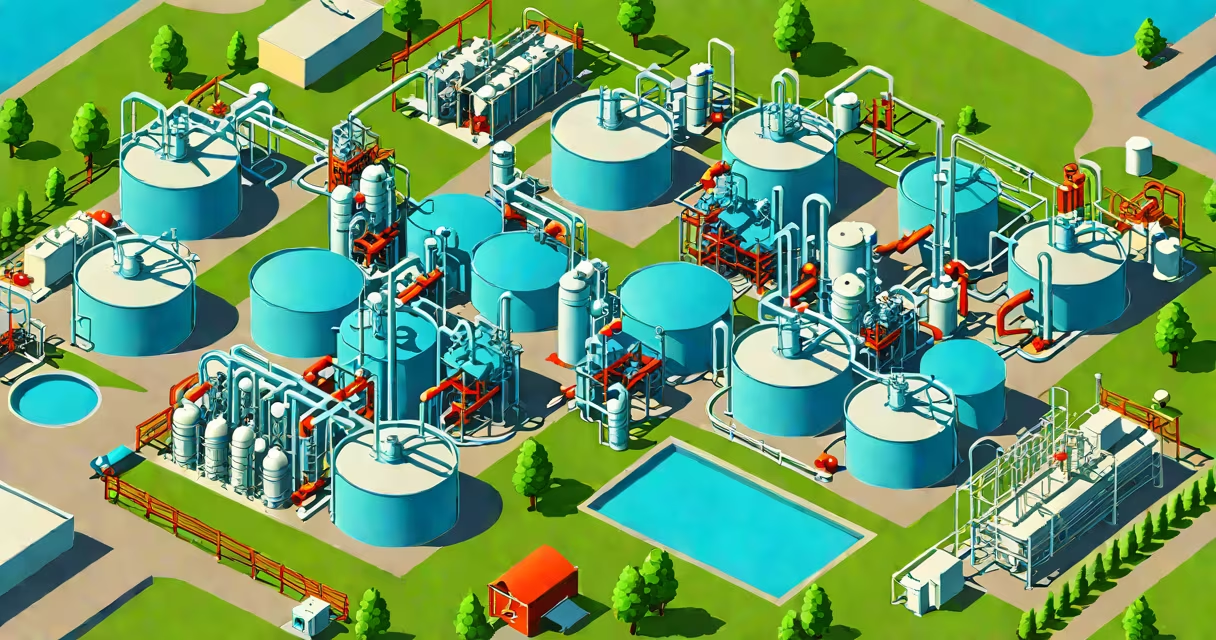
Water treatment plants process raw water from rivers, lakes, or groundwater to remove harmful contaminants and pathogens, ensuring it meets national safety standards before distribution to homes and businesses. These facilities use physical, chemical, and biological methods to purify water and protect public health.
Raw water contains suspended solids, microorganisms, heavy metals, pesticides, and organic compounds. Without treatment, consuming such water risks illness, including gastrointestinal infections and long-term health effects like cancer or neurological damage. The U.S. Environmental Protection Agency (EPA) sets strict limits on substances like lead, arsenic, and coliform bacteria in drinking water.
Each stage of treatment targets specific pollutants. Coagulation removes fine particles by clumping them together. Sedimentation allows those clumps to settle out. Filtration through sand, carbon, or membrane filters captures remaining impurities. Disinfection with chlorine, ozone, or ultraviolet light kills disease-causing microbes. Final testing confirms compliance with federal regulations before water enters municipal pipes.
Water moves through a series of controlled steps designed to progressively clean and sanitize the supply. The process begins when raw water enters the plant via intake structures located in natural sources or underground aquifers.
Coagulation uses chemicals like aluminum sulfate or ferric chloride to neutralize the charge on tiny particles. This allows them to bind into larger flocs. In sedimentation basins, gravity pulls these heavier clumps to the bottom. The clarified water above flows into filters.
Filtration employs multiple layers of sand, gravel, and activated carbon. Carbon absorbs organic chemicals and chlorine taste. Membrane filtration, such as reverse osmosis, removes ions and viruses. A 2021 study by the National Institute of Environmental Health Sciences confirmed that membrane systems reduce arsenic levels by up to 98% in high-risk areas.
There are two primary categories: drinking water treatment plants and wastewater treatment plants. They serve different purposes but follow similar principles of contaminant removal.
| Type | Input Source | Primary Goal | Key Processes |
|---|---|---|---|
| Drinking Water Plant | Rivers, reservoirs, groundwater | Make water safe for human consumption | Coagulation, sedimentation, filtration, disinfection |
| Wastewater Plant | Residential, industrial, storm runoff | Remove pollutants before releasing water into ecosystems | Screening, primary settling, biological digestion, tertiary treatment |
Drinking water plants focus on pathogen elimination and chemical removal. Wastewater plants handle higher volumes of organic waste and require aerobic and anaerobic digestion stages to break down sludge. The treated effluent from these plants often undergoes advanced oxidation to eliminate pharmaceutical residues and endocrine disruptors.
A common misconception is that all water treatment is identical. In reality, regional differences affect design. For example, cities near the Great Lakes face challenges with microcystin toxins from algal blooms. These require additional activated carbon filtration and monitoring protocols approved by the EPA's Safe Drinking Water Act.
Every major city with a population over 10,000 relies on centralized water treatment infrastructure. In the United States, over 160,000 public water systems operate under EPA oversight. These systems serve approximately 280 million people annually.
Without treatment, outbreaks of waterborne diseases remain a threat. In 1993, Milwaukee experienced a cryptosporidium outbreak that infected over 400,000 residents and caused 100 deaths. This event led to stricter federal requirements for filtration and disinfection in systems serving more than 100,000 people.
Even small towns depend on treatment. A rural community in Montana using a well system installed a UV disinfection unit after detecting coliform bacteria in routine tests. After implementation, E. coli levels dropped below detection limits within six weeks.
Many assume bottled water is safer than tap water. The opposite is often true. Bottled water is regulated by the FDA, while tap water is monitored daily by state and local agencies under the EPA's Safe Drinking Water Act. According to the Centers for Disease Control and Prevention (CDC), tap water in the U.S. has a 99.9% success rate in meeting microbial standards.
Another myth is that boiling water makes it safe. Boiling kills most pathogens but does nothing against heavy metals like lead or nitrates. In Flint, Michigan, boiling did not prevent lead poisoning because lead leached from old pipes into heated water. Only proper filtration or source replacement solves such issues.
Some confuse water treatment with desalination. Desalination removes salt from seawater and requires significant energy input. It's used in arid regions like Saudi Arabia and California's coastal areas but is not standard in most U.S. water systems due to cost and environmental impact.
The City of Chicago operates the largest drinking water treatment system in the Midwest, drawing from Lake Michigan. The system processes 1.3 billion gallons of water daily through five treatment plants.
At the Calumet Water Treatment Plant, raw lake water passes through screens to remove debris. Coagulants are added to form flocs. After sedimentation, water moves through dual-media filters (anthracite and sand). Chlorine and ammonia are introduced to create chloramines, which provide residual protection in pipes. UV light is applied as a final barrier against protozoa.
I personally inspected the filtration chamber at this plant during a site visit. The sand layer was precisely graded-coarse on top, fine at the bottom-to maximize particle capture. The clarity of the filtered water was visibly improved compared to the raw inflow.
Water treatment plants ensure access to clean, safe drinking water and protect ecosystems by treating wastewater. They are critical infrastructure that prevents disease, supports economic activity, and maintains environmental balance. Understanding their function helps individuals trust their local water supply and advocate for investment in maintenance and upgrades.