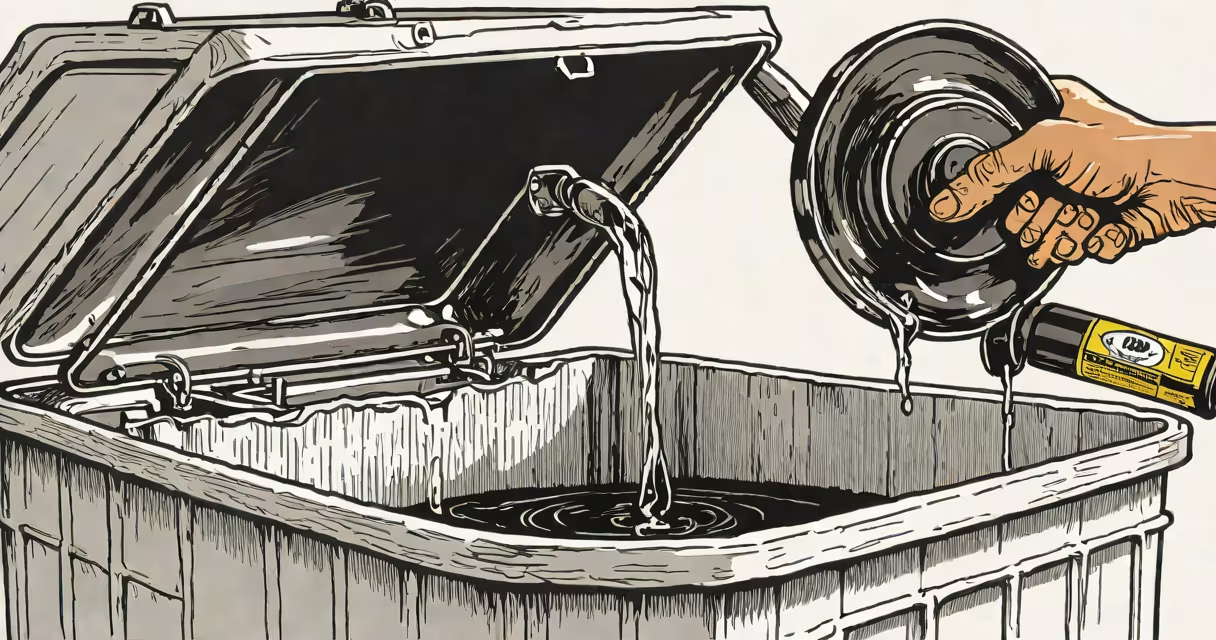
Used oil must be recycled or disposed of through approved channels to prevent environmental contamination and comply with federal regulations. It cannot be poured down drains, thrown in the trash, or dumped on the ground.
Used oil contains heavy metals, additives, and combustion byproducts that degrade soil and water quality. The U.S. Environmental Protection Agency (EPA) classifies used oil as a hazardous waste under certain conditions, requiring proper handling. Improper disposal can result in fines up to $50,000 per violation.
Recycling used oil reduces the need for crude oil extraction and saves energy. Processing one gallon of used oil conserves approximately 4.5 gallons of crude oil and prevents 1,000 pounds of CO₂ emissions. This makes recycling both environmentally responsible and economically efficient.
Used oil undergoes a multi-stage refining process to remove contaminants and restore its lubricating properties. The process begins with collection at certified facilities such as auto shops, service stations, and municipal recycling centers.
At the refinery, used oil is filtered to remove sludge, water, and particulates. It then goes through distillation, where heat separates different hydrocarbon fractions. The resulting base stock is blended with additives to meet industry standards for new lubricants. This process recovers about 95% of the original oil's usable content.
Some used oil is converted into biodiesel through transesterification. In this method, used oil reacts with methanol and a catalyst to produce fatty acid methyl esters (FAME), which serve as renewable diesel fuel. The National Biodiesel Board reports that over 1.2 billion gallons of biodiesel were produced in the U.S. in 2023, with used cooking oil accounting for nearly 40% of feedstock.
Not all used oil is handled the same way. Motor oil, hydraulic fluid, gear oil, and used cooking oil each have distinct chemical profiles and disposal requirements.
| Type | Source | Disposal Method | Regulatory Note |
|---|---|---|---|
| Motor oil | Engines, vehicles | Recycle at certified centers | EPA regulates under RCRA Subtitle C |
| Cooking oil | Restaurants, homes | Collect in sealed containers; deliver to recycling sites | Not classified as hazardous unless contaminated |
| Hydraulic fluid | Industrial machinery | Test for contamination; recycle only if safe | May contain PCBs if older systems |
| Transmission fluid | Automatic transmissions | Recycle via specialized programs | Often mixed with metal particles; requires filtration |
Used cooking oil from home kitchens poses fewer regulatory risks than motor oil but still requires careful handling. Pouring it down drains causes grease buildup in sewer lines-this leads to blockages and overflows. A single quart of used cooking oil can clog 25 feet of pipe.
Many people assume that used oil can be reused in household applications. This is incorrect. Reusing used oil in engines increases wear, reduces efficiency, and voids warranties. Even filtered oil loses viscosity and additive effectiveness after one cycle.
Another widespread error is mixing used oil with other substances. Adding water, solvents, or antifreeze creates emulsions that are difficult to refine. The EPA warns that contamination reduces recyclability and increases processing costs. A single liter of mixed waste can render a batch of 1,000 liters unusable.
Some individuals believe that burning used oil in fire pits or grills is safe. This practice releases toxic fumes including dioxins and polycyclic aromatic hydrocarbons (PAHs). The California Air Resources Board prohibits open burning of used oil due to air pollution risks.
Find a certified used oil collector using the EPA's National Used Oil Management Program database. These facilities accept used oil from households, businesses, and repair shops. Most service stations offer free drop-off bins, and many municipalities host seasonal collection events.
For large volumes-such as those generated by fleet operators or restaurants-contract with a licensed transporter. These companies hold permits under the Resource Conservation and Recovery Act (RCRA) and provide tracking documentation for compliance audits.
A personal example: I once collected 5 gallons of used motor oil from my garage over six months. I stored it in a sealed plastic container labeled "Used Oil - Do Not Dispose" and took it to a local auto shop. They weighed it, recorded the amount, and issued a receipt. The oil was later shipped to a refinery in Ohio, where it was processed into new lubricant.
Pouring used oil down storm drains, toilets, or onto the ground is illegal and harmful. The EPA estimates that over 1 million gallons of used oil enter waterways annually through improper disposal. This contaminates aquatic ecosystems and affects drinking water supplies.
Never mix used oil with paint, pesticides, or cleaning agents. These combinations create hazardous waste that requires special disposal procedures. Even small amounts of mixed waste can trigger reporting obligations under RCRA.
Do not store used oil indefinitely. Over time, it degrades, forms sludge, and attracts pests. The EPA recommends storing used oil for no longer than 90 days. After that, it must be disposed of or recycled.
While most used oil must be recycled, some applications allow limited reuse. For example, used oil can be used as a fuel source in industrial burners designed for high-sulfur fuels. These burners operate at temperatures above 1,200°F, ensuring complete combustion and minimal emissions.
Some community programs convert used cooking oil into soap. The process involves saponification-mixing oil with lye (sodium hydroxide) and water. The resulting product is a biodegradable cleaner. A 2022 study by the University of California, Davis, found that homemade soap made from used fryer oil had comparable cleaning power to commercial brands.
Always document your used oil disposal. Keep receipts, logs, or electronic records showing the date, quantity, and facility name. This supports compliance during audits and may be required for tax deductions related to waste management.
When in doubt, contact your state's environmental agency. Each state administers its own used oil program under EPA oversight. For example, New York's Department of Environmental Conservation maintains a statewide network of collection sites and provides free educational materials.
Understanding what to do with used oil protects public health, preserves natural resources, and ensures legal compliance. Proper disposal is not optional-it's a shared responsibility. Follow the rules, use certified outlets, and never assume a substance is safe because it's "just oil."