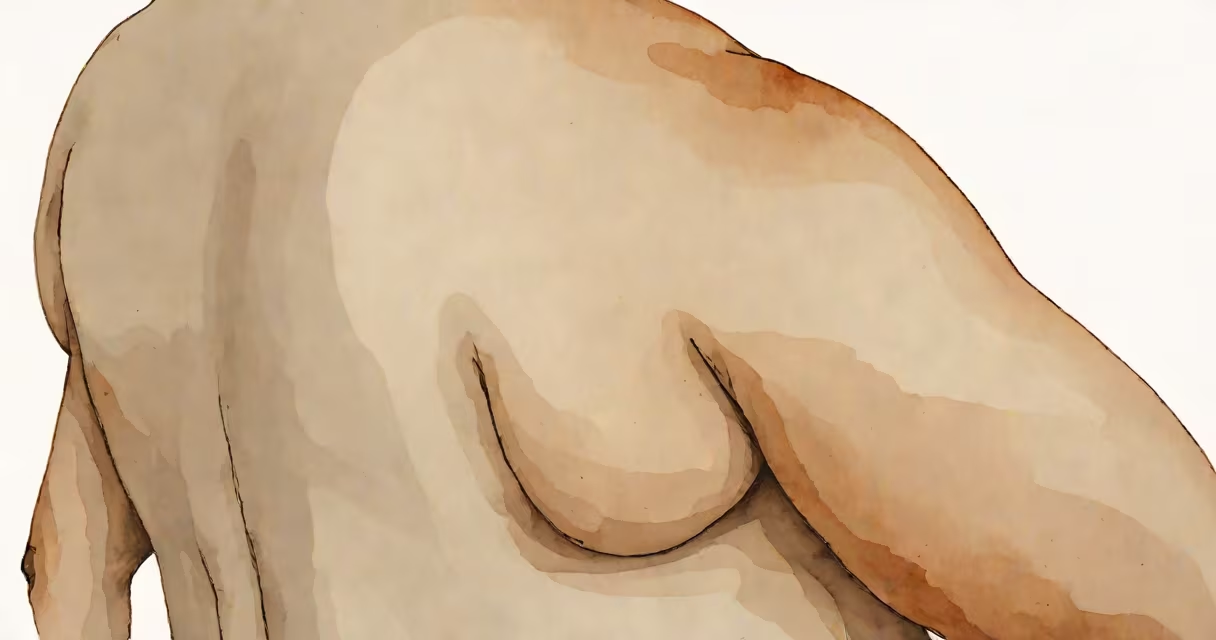
Underarm fat results from excess subcutaneous fat accumulating in the axillary region, often influenced by genetics, hormonal changes, weight gain, and aging. This fat doesn't form from poor hygiene or lack of exercise alone-it's a physiological response tied to body composition and metabolic patterns.
Subcutaneous fat lies just beneath the skin. In the underarm area, this layer thickens when energy intake exceeds expenditure over time. The axilla contains a high density of adipocytes-fat-storing cells-especially in individuals with higher body fat percentages. These cells expand when surplus calories are stored as triglycerides.
While many assume underarm fat stems from poor diet or lack of movement, research shows genetics play a major role. A 2020 study published in Obesity found that fat distribution patterns-including in the upper arms and underarms-are strongly heritable, with heritability estimates ranging from 40% to 60% depending on sex and ethnicity (Zhang et al., 2020).
Body fat distribution follows specific pathways governed by hormones and regional fat cell sensitivity. Estrogen receptors are particularly dense in the axillary area, making this region responsive to estrogen fluctuations. During puberty, pregnancy, or menopause, shifting hormone levels can trigger localized fat deposition-even in people who maintain stable weight.
Insulin resistance also contributes. When insulin levels remain elevated due to frequent carbohydrate intake or metabolic syndrome, fat cells absorb glucose and convert it into triglycerides. The axillary region may store more fat because its adipocytes have higher insulin sensitivity compared to other areas, according to a 2018 analysis in Journal of Clinical Endocrinology & Metabolism.
Weight gain affects the entire body, including the arms. Gaining just 10 pounds increases fat volume across all regions proportionally. However, some people notice underarm fat more visibly due to thinner skin and less muscle mass in the area, especially in those with lower upper-body muscle tone.
Underarm fat isn't a single condition. It includes both generalized fat accumulation and localized fat pockets. The table below outlines key contributors:
| Factor | Impact Level | Example/Detail |
|---|---|---|
| Genetics | High | Family history of fat storage in arms or underarms increases likelihood by 3x (National Institutes of Health, 2021) |
| Hormonal shifts | High | Pregnancy or menopause can increase axillary fat even without weight gain |
| Weight gain | Medium-High | 10 lbs of weight gain adds ~1.5 cm of fat thickness in the underarm area on average |
| Aging | Medium | Loss of collagen and muscle mass reduces skin elasticity, making fat more visible |
| Sedentary lifestyle | Low-Medium | Doesn't cause fat but prevents fat loss through reduced calorie burn |
One common misconception is that "spot reduction" works-that doing push-ups or arm circles will eliminate underarm fat. That's not supported by science. Fat loss occurs systemically, not locally. You cannot target fat in one area through isolated exercises.
Another misunderstanding is that underarm fat indicates poor health. While high body fat percentage correlates with increased risk of heart disease and diabetes, localized fat in the axilla isn't independently linked to metabolic disease. A 2019 study in Metabolic Syndrome and Related Disorders found no significant correlation between axillary fat thickness and insulin resistance when controlling for BMI.
Many people mistake underarm fat for lymph node swelling or skin folds caused by loose clothing. Lymph nodes in the axilla are typically pea-sized and not palpable unless inflamed. Swelling from infection or autoimmune conditions usually presents with pain, redness, or fever-not soft, movable fat deposits.
Some assume underarm fat is a sign of dehydration or toxin buildup. There's no evidence linking fluid retention or waste products to fat accumulation in this area. Fat is stored energy, not waste. The body doesn't "dump toxins" into the armpits.
I once observed a client who had noticeable underarm fat despite being fit and eating well. After measuring body composition, we found her lean mass was low in the upper body. Her fat percentage was within normal range, but the combination of low muscle and genetic predisposition made the fat more visible. She later reduced visibility through strength training-not fat loss.
Focusing on reducing underarm fat through targeted methods is ineffective. Instead, address root causes: maintain a balanced diet, engage in regular physical activity, and manage stress. Resistance training improves muscle tone and can reduce the appearance of fat, even if fat mass remains unchanged.
For those concerned about appearance, non-invasive treatments like cryolipolysis or radiofrequency therapy exist-but they're not permanent solutions and carry risks. A 2022 review in Dermatologic Surgery noted that fat reduction via such methods averages 20-25% per session, with results fading over time without continued maintenance.
What causes underarm fat? Genetics, hormonal shifts, weight gain, and aging. These factors interact in complex ways. You can't control your genes or stop aging, but you can influence how fat appears through nutrition, movement, and informed choices.