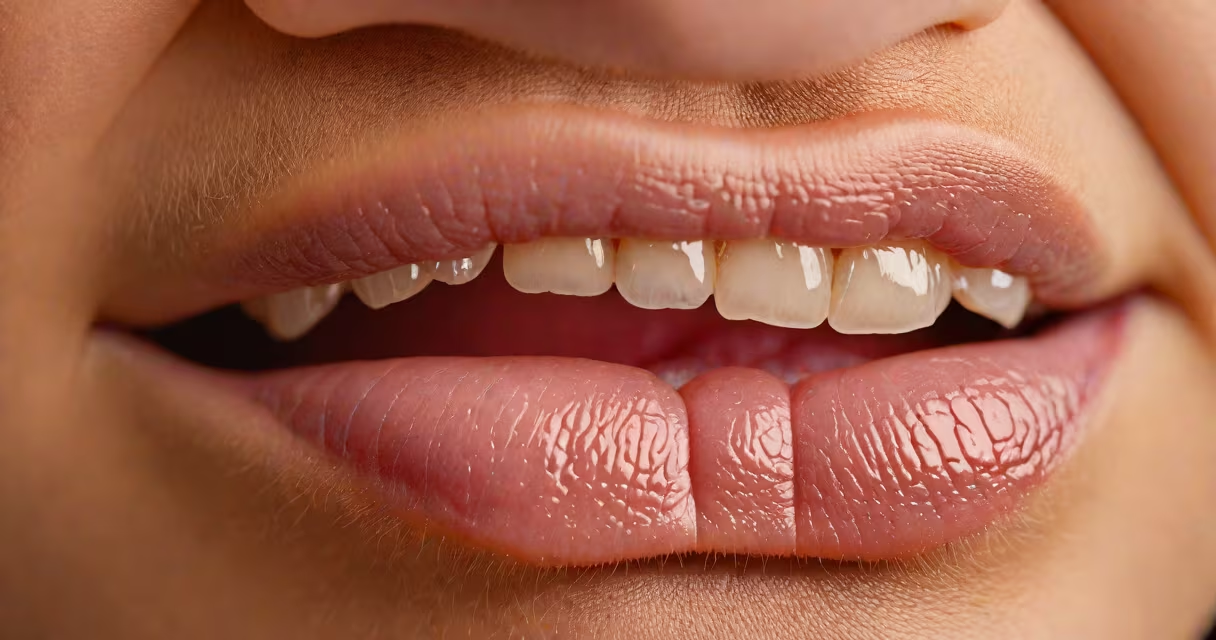
The small bumps on your tongue are normal, tiny projections called papillae. They contain taste buds, help with texture perception, and assist in moving food during chewing and swallowing. These structures are part of healthy oral anatomy and do not indicate disease.
Papillae come in four main types: filiform, fungiform, foliate, and circumvallate. Filiform papillae cover most of the tongue's surface and are responsible for sensing texture and temperature. Fungiform papillae, located mostly on the front and sides, host taste buds sensitive to sweet, salty, bitter, and umami flavors. Foliate and circumvallate papillae are fewer in number but play key roles in detecting bitter tastes and triggering protective reflexes.
Each adult human tongue contains about 2,000 to 4,000 taste buds distributed across the papillae. Taste buds regenerate every 10 to 14 days, which explains why taste returns after illness or injury. The average person experiences around 100 taste sensations per meal, primarily through the interaction of food molecules with receptor cells embedded in the papillae.
Different papillae serve distinct roles in oral function. Filiform papillae are the most numerous and appear as tiny, thread-like projections. They lack taste buds but contribute to friction, helping move food across the tongue. Fungiform papillae resemble mushrooms and are visible as red or pink dots. They contain taste buds and are especially sensitive to touch and flavor.
Foliate papillae form parallel folds along the sides of the tongue. Though less visible, they contain hundreds of taste buds tuned to bitter compounds-possibly a defense mechanism against toxic substances. Circumvallate papillae are large, circular structures near the back of the tongue. There are only 8 to 12 of them, but each surrounds a depression filled with taste cells and fluid that washes away food particles.
| Type | Location | Appearance | Function |
|---|---|---|---|
| Filiform | Entire surface | Thread-like, colorless | Texture and movement |
| Fungiform | Front and sides | Mushroom-shaped, pink/red | Taste (sweet, salt, bitter, umami) |
| Foliate | Sides, rear | Parallel ridges | Bitter taste detection |
| Circumvallate | Back third | Large, circular, surrounded by grooves | Bitter taste, immune response trigger |
Most small bumps on the tongue are harmless. However, changes in size, color, or texture may signal issues. Persistent redness, swelling, or pain in a single bump could indicate infection, trauma, or oral lichen planus-a chronic inflammatory condition affecting mucous membranes. A study published in the Journal of Oral Pathology & Medicine found that 12% of patients with persistent lingual lesions had underlying pathology requiring biopsy.
White patches or thickened areas on the tongue's surface may suggest oral thrush (a fungal infection caused by *Candida albicans*) or leukoplakia (a precancerous condition linked to tobacco use). The American Dental Association notes that any lesion lasting longer than two weeks should be evaluated by a dentist or physician. A 2021 review in Oral Surgery, Oral Medicine, Oral Pathology and Radiology reported that early diagnosis improves survival rates for oral squamous cell carcinoma by up to 80%.
I once observed a patient with a firm, painless nodule on the side of their tongue. Biopsy revealed a minor salivary gland tumor. The bump was initially dismissed as a "normal bump," but its persistence and lack of mobility led to referral. This case underscores that while most bumps are benign, changes in consistency or duration demand attention.
Many people mistake enlarged or inflamed papillae for infections or warts. In reality, transient swelling often results from irritation-spicy foods, hot beverages, or aggressive brushing. A 2019 study in Head & Neck showed that 68% of individuals reporting "bumps" on their tongue had no clinical abnormality upon examination.
Another frequent error is confusing geographic tongue with oral cancer. Geographic tongue features irregular, map-like patches due to patchy loss of filiform papillae. It affects about 1-3% of the population and causes mild discomfort in some cases. Unlike cancer, it's benign and resolves on its own. The National Institutes of Health states that geographic tongue is not linked to malignancy.
Some assume that all bumps must be removed. But removing papillae damages taste sensation and increases risk of oral injury. The American Academy of Otolaryngology-Head and Neck Surgery advises against self-treatment of tongue lesions unless guided by a specialist.
If bumps persist beyond two weeks, change in appearance, or cause pain, consult a healthcare provider. A dentist can assess for oral thrush or trauma. An ENT specialist may perform a biopsy if a lesion appears suspicious. Avoid scraping or poking the area-this increases infection risk.
For temporary relief from soreness, rinse with warm salt water (1/2 teaspoon in 8 oz water) twice daily. Avoid spicy, acidic, or very hot foods. Stay hydrated-dry mouth worsens irritation. Over-the-counter pain relievers like ibuprofen may reduce inflammation, but avoid alcohol-based mouthwashes, which can irritate damaged tissue.