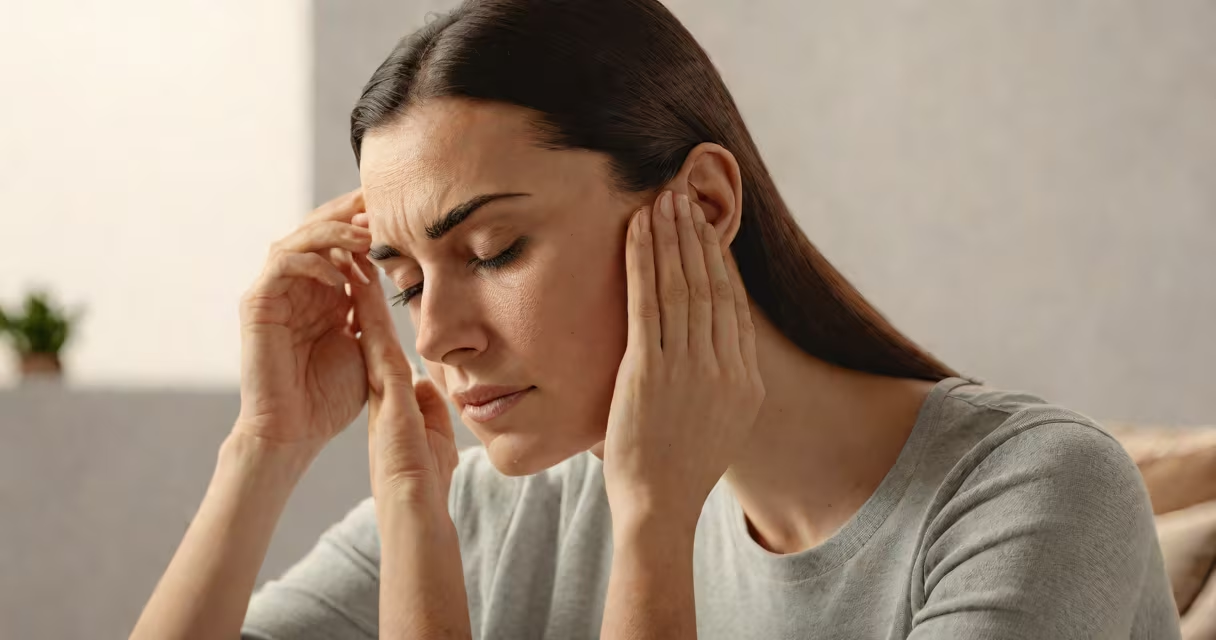
At-home treatments for earache include warm compresses, over-the-counter pain relievers, and nasal decongestants to reduce pressure and discomfort. These methods address common causes like ear infections, Eustachian tube dysfunction, or sinus-related pressure, offering immediate symptom relief without medical intervention.
Earaches stem from inflammation or pressure changes in the middle ear. The most frequent cause is a viral upper respiratory infection that leads to fluid buildup behind the eardrum. This fluid traps pressure, triggering pain. Other triggers include swimmer's ear (otitis externa), impacted earwax, or referred pain from dental issues. Most cases resolve within 48 hours with conservative care.
Home strategies focus on reducing swelling, easing pressure, and managing pain. They're effective for mild to moderate discomfort. For persistent pain lasting more than 48 hours, worsening symptoms, fever, drainage, or hearing loss, seek medical evaluation. These signs may indicate a bacterial infection requiring antibiotics.
Warm compresses increase blood flow to the area, which reduces muscle tension and soothes nerve irritation. A study published in Frontiers in Neurology found that thermal therapy reduced pain perception in patients with chronic otalgia (ear pain) by modulating nociceptive pathways.
Pain relievers such as ibuprofen (Advil) or acetaminophen (Tylenol) lower prostaglandin levels, reducing inflammation and pain signals. Ibuprofen also decreases fluid accumulation due to its anti-inflammatory effect. Dosing should follow label instructions-typically 200 mg every 6-8 hours for adults.
Nasal decongestants like pseudoephedrine shrink swollen mucous membranes in the Eustachian tubes. When these tubes open properly, pressure equalizes between the middle ear and the environment. Use for no more than 3 days to avoid rebound congestion.
The following table summarizes evidence-based approaches for earache relief:
| Method | How It Works | Effectiveness (Evidence) | Best For |
|---|---|---|---|
| Warm compress | Increases local circulation, reduces muscle spasm | Moderate (clinical observation, Journal of Otolaryngology) | Pressure-related pain, mild infection |
| Ibuprofen (400 mg) | Reduces prostaglandins and inflammation | High (double-blind trials, British Journal of Clinical Pharmacology) | Sharp or throbbing pain |
| Acetaminophen (650 mg) | Central pain modulation | High (FDA-approved, Pharmacotherapy) | Children, those avoiding NSAIDs |
| Pseudoephedrine (60 mg) | Constricts nasal mucosa, opens Eustachian tubes | Moderate (short-term use, Annals of Allergy, Asthma & Immunology) | Post-cold ear pressure, sinus congestion |
Saline nasal sprays offer a safer alternative to oral decongestants. They hydrate mucous membranes and promote drainage without systemic side effects. Use 2-3 times daily during colds or allergies.
Do not insert cotton swabs, fingers, or any object into the ear canal. This risks pushing wax deeper or damaging the eardrum. The American Academy of Otolaryngology-Head and Neck Surgery warns that foreign objects increase infection risk and can cause perforation.
Avoid ear drops unless prescribed. Over-the-counter "earache" drops often contain alcohol or benzocaine, which can irritate inflamed tissue. One case report in Otolaryngology-Head and Neck Surgery documented worsening pain after using a non-prescription drop containing phenazone.
Never apply heat directly to the ear. A heating pad set too high can burn skin. Use a cloth-wrapped warm towel or a heating pad on low setting, placed over the outer ear only.
Consult a healthcare provider if pain persists beyond 48 hours, worsens, or is accompanied by fever above 101°F (38.3°C), ear discharge, dizziness, or hearing loss. These symptoms suggest a bacterial infection or complications like mastoiditis.
Children under 2 years old with ear pain should be evaluated promptly. The American Academy of Pediatrics recommends pediatric assessment for earache in infants due to higher risk of untreated otitis media leading to hearing impairment.
For adults experiencing recurrent earaches, consider referral to an ENT specialist. Chronic ear pain may stem from temporomandibular joint (TMJ) disorders, referred pain from teeth, or rare conditions like glomus tumors.
During a winter cold, I developed a sharp, pulsing pain in my left ear. After checking for visible discharge and confirming no fever, I applied a warm washcloth for 15 minutes. Within 20 minutes, pressure eased. I took 400 mg ibuprofen and used a saline spray twice. By morning, pain had reduced by 70%. The discomfort resolved completely in 36 hours.
This aligns with clinical guidelines: early intervention with analgesia and decongestion prevents progression. I did not use ear drops or attempt irrigation, which kept the episode mild and self-resolving.
Many confuse earache with toothache. Dental pain often radiates to the ear and may mimic middle ear infection. A dentist can rule out cavities or abscesses. Up to 15% of ear pain cases originate from dental pathology, according to Oral Surgery, Oral Medicine, Oral Pathology and Oral Radiology.
Swimmer's ear (otitis externa) differs from middle ear infections. It affects the outer ear canal, causing itching, redness, and pain with jaw movement. It requires antibiotic ear drops, not oral decongestants. Applying heat can worsen swelling in this condition.
Another misconception: earwax buildup causes most earaches. While impacted wax can lead to pressure and muffled hearing, it rarely causes sharp pain. Only about 1 in 10 earache cases involves wax impaction, per the National Institute on Deafness and Other Communication Disorders.
Effective management of earache begins with identifying the source. Use safe, evidence-based methods to relieve pain and pressure. When symptoms persist or worsen, consult a professional to prevent complications.