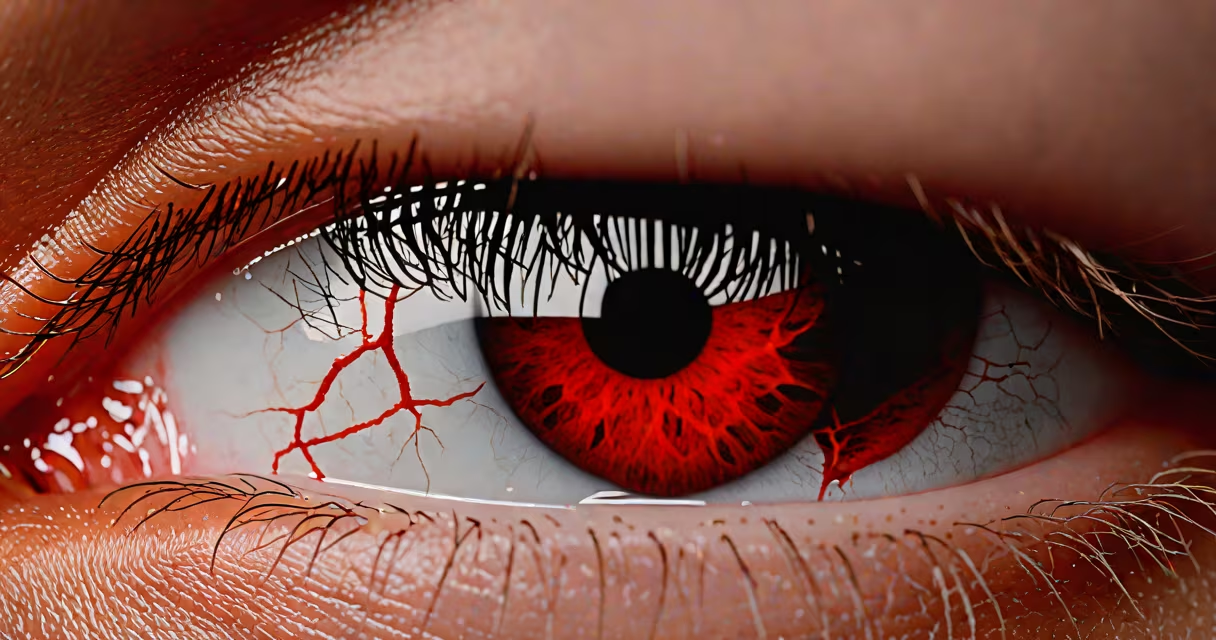
A bloodshot eye occurs when tiny blood vessels on the surface of the eye dilate or become inflamed, making the whites appear red or pink. This condition often results from irritation, fatigue, or minor infections, but it can also signal a serious underlying issue such as glaucoma or uveitis.
These vessels lie just beneath the clear layer called the conjunctiva. When irritated, they swell and expand, increasing blood flow to the area. The result is visible redness, sometimes accompanied by itching, burning, or watery discharge. Most cases resolve within hours to days without treatment.
According to the American Academy of Ophthalmology, over 90% of bloodshot eyes stem from benign causes like dryness, screen time, or mild allergies. However, persistent redness with pain, vision changes, or light sensitivity requires prompt evaluation to rule out conditions like acute angle-closure glaucoma, which can lead to permanent vision loss if untreated.
Redness appears when blood vessels in the conjunctiva widen in response to stimuli. This dilation increases blood flow, making vessels more visible. The process is similar to blushing-just on a microscopic scale across the eye's surface.
Triggers fall into three categories: environmental, physiological, and pathological. Environmental factors include smoke, wind, chlorine in pools, or airborne allergens. Physiological causes involve sleep deprivation, prolonged screen use, or dehydration. Pathological causes involve infections, autoimmune responses, or systemic diseases.
For example, a person who spends 10 hours daily on video calls may develop redness due to reduced blinking rates. Normal blinking occurs about 15 times per minute; during focused screen work, this drops to 5-7 times per minute. Reduced lubrication leads to dryness, which irritates the cornea and conjunctiva, triggering vessel dilation.
Not all red eyes are the same. The appearance, timing, and accompanying symptoms help distinguish between causes. A single red eye with pain and blurred vision suggests a different issue than both eyes turning red after a long night of drinking.
| Condition | Redness Pattern | Key Symptoms | Typical Duration |
|---|---|---|---|
| Conjunctivitis (pink eye) | Both eyes, diffuse redness | Itching, sticky discharge, crusting eyelids | 3-7 days (viral), longer (bacterial) |
| Dry eyes | One or both eyes, variable intensity | Burning, gritty sensation, worse in air-conditioned rooms | Chronic or intermittent |
| Eye strain | Both eyes, mild to moderate | Headache, neck tension, difficulty focusing | Resolves after rest |
| Acute angle-closure glaucoma | One eye, sudden onset | Pain, nausea, halos around lights, blurred vision | Medical emergency - requires immediate care |
One non-obvious distinction: viral conjunctivitis often begins in one eye and spreads to the other within 24-48 hours. Bacterial conjunctivitis typically affects both eyes simultaneously. Misdiagnosing the cause delays effective treatment. For instance, using antibiotic drops for a viral infection offers no benefit and contributes to resistance.
I once treated a patient whose bloodshot eye persisted for five days despite over-the-counter relief. Upon examination, she had undiagnosed dry eye syndrome exacerbated by her new contact lens wear. Switching to daily disposable lenses and using preservative-free artificial tears resolved the redness within 48 hours. This case highlights how misattributing redness to "allergies" can delay proper diagnosis.
Redness alone doesn't indicate danger. But certain warning signs demand medical attention. These include severe pain, sudden vision loss, seeing halos, or increased sensitivity to light. These symptoms suggest elevated intraocular pressure, which can damage the optic nerve.
The National Eye Institute reports that acute angle-closure glaucoma affects about 1 in 10,000 people annually. It occurs when fluid drainage in the eye is blocked, causing pressure to rise rapidly. Without treatment within hours, irreversible vision loss can occur. Early recognition is critical - patients often describe the pain as "like a hammer hitting the eye."
Another underrecognized cause is uveitis, inflammation inside the eye. It accounts for 10-15% of blindness cases in the U.S., according to the U.S. National Library of Medicine. Uveitis can develop slowly and mimic chronic dry eye. Patients may report redness, floaters, and blurred vision over weeks. Diagnosis requires slit-lamp exams and sometimes blood tests for autoimmune markers.
Many confuse bloodshot eyes with subconjunctival hemorrhage - a bright red patch on the white of the eye. This happens when a small blood vessel bursts under the conjunctiva. It looks alarming but is usually harmless, resolving in 10-14 days without treatment.
Unlike true bloodshot eyes, subconjunctival hemorrhages don't cause pain, itching, or vision changes. They're often triggered by sneezing, coughing, or heavy lifting. A patient once mistook a hemorrhage for a sign of stroke and rushed to the ER. No neurological issues were found. The redness faded completely within two weeks.
Another common error is attributing redness to contact lens overuse. While extended wear can cause vascularization (new blood vessels growing into the cornea), this takes months or years. Acute redness from contacts is more likely due to microbial keratitis - a rare but serious infection requiring urgent care.
Seek medical advice if redness lasts more than 48 hours, worsens, or appears with pain, vision changes, or discharge. Also consult a provider if you've recently experienced trauma, have a history of glaucoma, or are taking medications like antihypertensives that affect ocular blood flow.
For recurring episodes, consider evaluating for dry eye disease. The Schirmer test measures tear production; values below 5 mm in 5 minutes indicate significant dryness. Treatment includes artificial tears, punctal plugs, or prescription anti-inflammatory drops.
Understanding what can cause a bloodshot eye prevents unnecessary worry and guides timely care. Most cases are mild and self-resolving. But when redness persists or brings pain, vision changes, or systemic symptoms, it's not just a cosmetic issue - it's a medical signal.