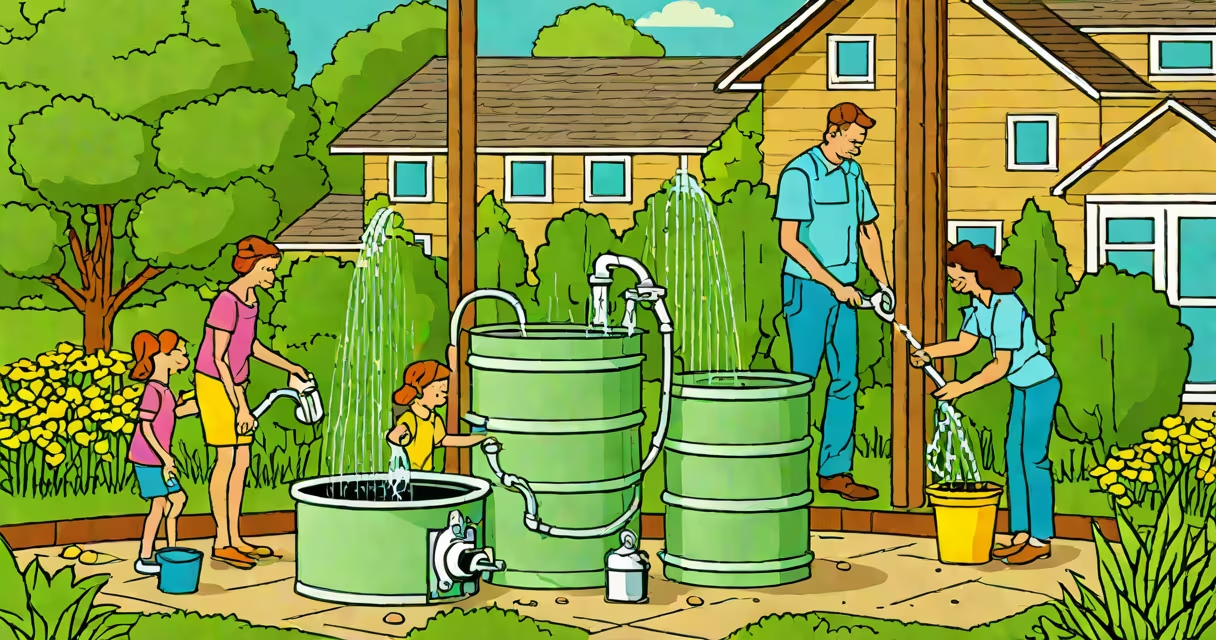
Water conservation involves reducing water consumption through behavioral changes, efficient fixtures, and smart infrastructure. These actions lower strain on freshwater supplies, reduce energy use in water treatment, and cut household costs. The U.S. Environmental Protection Agency estimates that fixing household leaks can save up to 10% on water bills.
Every drop saved reduces pressure on local aquifers and rivers. In drought-prone regions like California, water-saving measures have reduced urban demand by 20% since 2015, according to the Pacific Institute. Simple adjustments in homes, businesses, and agriculture can collectively preserve billions of gallons annually.
Conservation reduces demand by targeting high-use activities. Common water users include toilets (up to 25% of indoor use), showers (15%), laundry (10%), and outdoor irrigation (30-50%). Fixing a dripping faucet can waste 20 gallons per day-enough to fill a bathtub weekly.
Efficient appliances and fixtures lower flow rates without sacrificing performance. A standard showerhead uses 2.5 gallons per minute; a low-flow model uses 1.5. Over a year, switching to low-flow fixtures can save 10,000 gallons per household. The EPA's WaterSense program certifies products that meet efficiency standards while maintaining function.
Outdoor water use accounts for nearly half of residential consumption in dry climates. Replacing lawns with native plants cuts irrigation needs by 60%. Installing drip irrigation systems delivers water directly to roots, reducing evaporation and runoff.
Water-saving strategies fall into three categories: behavioral, technological, and systemic. Behavioral changes require no investment but depend on consistent habits. Technological upgrades offer long-term savings. Systemic changes involve community-wide infrastructure.
| Type | Examples | Annual Savings (U.S. average) |
|---|---|---|
| Behavioral | Shorter showers, turning off taps while brushing, running dishwashers only when full | 1,000-2,000 gallons |
| Technological | Low-flow showerheads, dual-flush toilets, front-loading washing machines | 5,000-15,000 gallons |
| Systemic | Rainwater harvesting, greywater reuse, municipal water recycling | Up to 50,000 gallons (per household in pilot programs) |
Behavioral methods are accessible but inconsistent. A 2022 study in *Environmental Science & Technology* found that households that adopted water-saving habits reduced usage by 18%, but only 40% maintained the behavior after six months.
Technological fixes deliver measurable results. Replacing a 5-gallon-per-minute toilet with a WaterSense-labeled model saves 13,000 gallons annually. A front-loading washer uses 30% less water than top-loaders and reduces energy use by 35%.
Systemic approaches scale impact. Cities like Tucson, Arizona, mandate rainwater collection for new homes. In Orange County, California, recycled wastewater now meets 30% of drinking water needs through advanced purification. These projects rely on public funding and regulatory support.
Many assume that short showers alone solve water scarcity. While effective, they don't address hidden losses. A single leaky toilet can waste 200 gallons per week-equivalent to 10 showers. The American Society of Plumbing Engineers reports that 10% of U.S. homes have undetected leaks.
Another myth is that water-saving devices cost too much. Most WaterSense-labeled products cost $20-$50 more upfront but pay back in 1-2 years via lower bills. A 2021 audit by the Alliance for Water Efficiency showed that households with certified fixtures saved $120 annually on average.
Real-world success comes from combining multiple methods. In San Diego, a citywide campaign promoted low-flow showerheads, free leak detection kits, and rebates for lawn removal. Between 2018 and 2022, residential water use dropped 27% despite population growth. The program credited behavioral nudges-like sending monthly usage comparisons-to sustained engagement.
Start with a home water audit. Turn off the main valve, check your meter, then run a faucet for five minutes. If the meter moves, you have a leak. Fixing it takes under 30 minutes with basic tools.
Replace old fixtures. Install a WaterSense-labeled showerhead ($25) and a dual-flush toilet ($150). These changes reduce indoor use by 30%. For outdoor use, replace sprinklers with drip lines and plant drought-tolerant species like lavender or sedum.
Use graywater safely. Collect rinse water from sinks or showers (not toilets) and apply it to gardens. The California Department of Public Health allows this practice with proper filtration and labeling. Avoid using graywater on edible plants unless treated with UV or chemical disinfection.
I installed a rain barrel in my backyard during a 2020 drought. It captured 1,200 gallons from a single storm. I used it to water vegetables and flowers, cutting my garden water use by 60%. The system cost $80 and required no electricity.
For larger-scale impact, support policies that fund water recycling and green infrastructure. Communities that invest in permeable pavements and bioswales reduce stormwater runoff by up to 70%, according to the EPA.