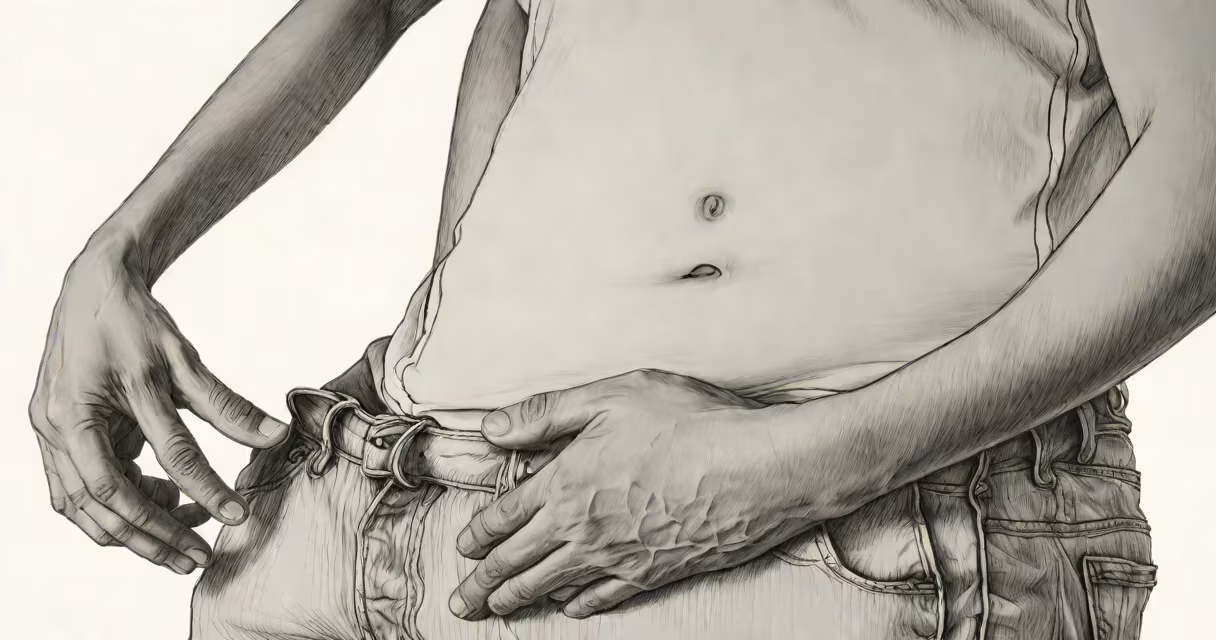
Bloating occurs when excess gas, fluid, or undigested food accumulates in the gastrointestinal tract, causing the abdomen to swell and feel tight. It's a common symptom, not a disease, and often results from dietary choices, swallowing air, or underlying digestive conditions.
Most people experience bloating occasionally, especially after meals. But persistent bloating may indicate an imbalance in gut function or sensitivity to certain foods. The sensation varies-some feel pressure, others notice visible distension. It's not always linked to weight gain; bloating reflects internal volume changes, not fat accumulation.
Common triggers include high-FODMAP foods (like onions, garlic, beans), carbonated drinks, artificial sweeteners, and eating too quickly. These contribute to gas production or delayed digestion. In some cases, bloating stems from water retention due to sodium intake or hormonal shifts during menstruation.
When food enters the small intestine, enzymes break it down. If digestion is slow or incomplete, bacteria in the large intestine ferment leftover carbohydrates. This fermentation produces gases-mainly hydrogen, methane, and carbon dioxide-which accumulate in the bowel.
Gas can't always exit easily. The colon's muscular contractions push gas through, but if the muscles are weak or nerves are disrupted, gas gets trapped. This leads to pressure, cramping, and a feeling of fullness. Some people have heightened sensitivity to normal gas levels, meaning they feel bloated even when gas amounts are within typical ranges.
A study published in Gastroenterology found that 30% of individuals reporting bloating had normal gas volumes, suggesting visceral hypersensitivity plays a key role. This means the nervous system amplifies signals from the gut, making mild distension feel severe.
The most frequent contributors to bloating fall into four categories: dietary, physiological, microbial, and behavioral.
| Category | Examples | Why It Matters |
|---|---|---|
| Dietary | Beans, lentils, cabbage, broccoli, carbonated beverages, sugar alcohols (sorbitol, xylitol) | These contain fermentable carbs that feed gut bacteria, increasing gas output. |
| Behavioral | Eating quickly, chewing gum, drinking through straws | Swallowing air (aerophagia) introduces extra gas into the stomach. |
| Microbial | Overgrowth of small intestinal bacteria (SIBO) | Bacteria in the small intestine ferment food before it reaches the colon, leading to early gas buildup. |
| Hormonal/Physiological | Menstrual cycle, pregnancy, irritable bowel syndrome (IBS) | Progesterone relaxes gut muscles, slowing transit time and increasing bloating risk. |
For example, a 2021 clinical review in Alimentary Pharmacology & Therapeutics showed that women with IBS report bloating during the luteal phase of their cycle-after ovulation and before menstruation-due to rising progesterone levels.
Bloating is often mistaken for weight gain or fat accumulation. It's not. A bloated belly can look larger, but the increase is due to gas, fluid, or undigested material-not adipose tissue. Measuring waist circumference won't reflect bloating accurately.
It's also not the same as distension caused by constipation. While both involve abdominal fullness, constipation involves hard stool stuck in the rectum, whereas bloating stems from gas or fluid in the intestines. However, chronic constipation can lead to bloating over time.
A lesser-known fact: bloating can result from poor coordination between the brain and gut. The enteric nervous system-the "second brain" in the gut-can misfire, sending incorrect signals about when to contract or relax. This disruption contributes to symptoms even without structural damage.
I once experienced bloating after a meal at a Thai restaurant. I ate green curry with rice, drank a soda, and chewed gum while waiting. Within 30 minutes, my abdomen felt tight. By the end of the night, I was uncomfortably full.
After tracking my diet for a week, I realized three patterns: I consumed high-FODMAP ingredients (onions, garlic, lemongrass), drank carbonated beverages, and swallowed air while talking during dinner. Eliminating one trigger at a time helped me isolate the cause.
When I removed soda and avoided gum, bloating dropped. I later confirmed with a breath test that I had low hydrogen levels, indicating minimal bacterial overgrowth-but still responded to dietary changes.
Bloating becomes concerning when it persists for weeks, interferes with daily life, or comes with other symptoms like unexplained weight loss, blood in stool, or changes in bowel habits. These warrant evaluation for conditions such as celiac disease, inflammatory bowel disease, or ovarian cancer.
The American Gastroenterological Association recommends testing for celiac disease if bloating is accompanied by diarrhea and fatigue. A positive tTG-IgA antibody test followed by an endoscopic biopsy confirms diagnosis. Untreated celiac disease causes malabsorption and chronic bloating.
If bloating follows a pattern tied to specific foods, keeping a food diary for two weeks can reveal consistent triggers. Apps like MyFitnessPal or Fooducate track intake and symptoms. When paired with a low-FODMAP diet under supervision, success rates exceed 70% for IBS-related bloating.
Bloating arises from gas, fluid, or undigested food in the GI tract. It's not fat, not necessarily a sign of poor health, and often manageable through lifestyle adjustments. Common causes include high-FODMAP foods, carbonation, swallowing air, and hormonal fluctuations.
Understanding your personal triggers is essential. Not everyone reacts the same way-some tolerate dairy, others don't. A structured elimination process helps identify what affects you.
Recognizing how you get bloated starts with awareness. Once you know the root causes, you can adjust your habits and reduce discomfort without relying on medication.