Global warming solutions are measurable, science-backed actions that reduce greenhouse gas emissions and improve carbon removal to stabilize Earth's climate. These include shifting to clean energy, protecting forests, improving industrial efficiency, and adopting sustainable agriculture. The goal is to limit global temperature rise to 1.5°C above pre-industrial levels, as outlined in the Paris Agreement.
Climate change results from excess carbon dioxide and other heat-trapping gases released primarily through fossil fuel combustion, deforestation, and industrial processes. Solutions focus on reducing emissions at their source and removing existing atmospheric carbon. The Intergovernmental Panel on Climate Change (IPCC) states that limiting warming to 1.5°C requires rapid, deep cuts in emissions across all sectors by 2030.
Without coordinated action, global temperatures could rise by 2.7°C by 2100, leading to extreme weather, sea level rise, and system collapse. Effective solutions must be deployed at scale and speed. The most impactful measures are those that deliver both immediate emission reductions and long-term resilience.
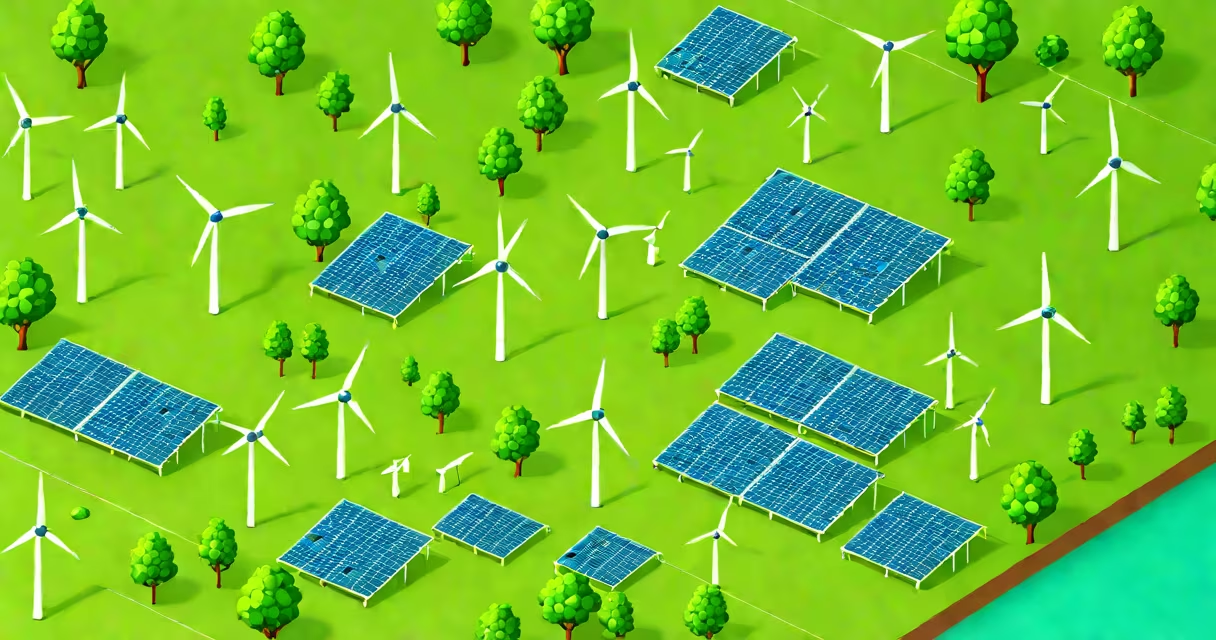
Each solution operates through a specific mechanism. Renewable energy replaces fossil fuels in electricity generation, eliminating CO₂ emissions from power plants. Reforestation captures carbon from the atmosphere via photosynthesis, storing it in trees and soil. Carbon capture and storage (CCS) traps emissions from factories and power plants before they enter the air, then stores them underground.
For example, replacing coal-fired power plants with solar farms reduces emissions by up to 90% per megawatt-hour. A single large-scale solar installation in California generates enough electricity annually to power over 100,000 homes while avoiding 250,000 tons of CO₂ emissions.
Behavioral changes also contribute. Shifting diets toward plant-based foods lowers agricultural emissions-livestock accounts for 14.5% of global greenhouse gas emissions, according to the Food and Agriculture Organization (FAO). Reducing meat consumption by half can cut an individual's food-related emissions by nearly 30%.
Solutions fall into four categories: emission reduction, carbon removal, adaptation, and systemic change. Emission reduction targets the root causes-energy, transport, industry, and agriculture. Carbon removal addresses legacy pollution. Adaptation prepares communities for unavoidable impacts. Systemic change alters economic models to prioritize sustainability.
| Solution Type | Examples | Impact Range (CO₂e reduction) |
|---|---|---|
| Emission Reduction | Wind power, electric vehicles, energy-efficient buildings | 10-50 gigatons/year by 2050 |
| Carbon Removal | Reforestation, bioenergy with carbon capture (BECCS), direct air capture | 5-15 gigatons/year by 2050 |
| Adaptation | Flood barriers, drought-resistant crops, early warning systems | Reduces climate risk but does not lower emissions |
| Systemic Change | Carbon pricing, green public investment, circular economy policies | Enables widespread adoption of other solutions |
Reforestation stands out as one of the most cost-effective natural solutions. Planting 1 trillion trees globally could sequester 200 billion tons of carbon-equivalent to 20 years of current emissions. The Trillion Tree Campaign, led by organizations including the World Economic Forum and UNEP, supports this effort through partnerships with governments and NGOs.
A lesser-known fact: soil carbon sequestration through regenerative farming practices can store more carbon per hectare than many forest ecosystems. Research from the Rodale Institute shows that converting croplands to regenerative methods increases soil organic carbon by 0.6% per year-a rate that compounds over time.
Many assume that individual actions alone can solve global warming. While personal choices matter, systemic change drives larger impact. For every ton of CO₂ reduced through lifestyle changes, 100 tons are emitted globally each minute. Individual efforts must be paired with policy and infrastructure shifts.
Another misconception is that technology will save us without behavioral change. Direct air capture machines exist but require massive energy inputs. The Climeworks facility in Iceland uses geothermal power to run its units, yet even at full capacity, it removes only 4,000 tons of CO₂ annually-far below the 10 billion tons needed yearly.
Some confuse adaptation with mitigation. Protecting coastal cities with seawalls prevents damage from rising seas but doesn't reduce emissions. Both are necessary, but mitigation addresses the cause, while adaptation deals with consequences.
Norway's national electrification program provides a model. By 2023, 80% of new cars sold were electric, supported by tax exemptions, charging infrastructure, and public incentives. This shift reduced transport emissions by 15% in five years-equivalent to taking 400,000 gasoline vehicles off the road.
In Costa Rica, a nationwide payment for system services (PES) program pays landowners to preserve forests. Since 1997, the country reversed deforestation and now generates 98% of its electricity from renewables. Forest cover increased from 21% in 1983 to 52% in 2020, locking away millions of tons of carbon.
I experienced this firsthand during a visit to a community-led reforestation project in Kenya. Local farmers planted native acacia trees on degraded land. Within three years, soil moisture improved, crop yields rose, and the area became a habitat for birds and small mammals. The project demonstrated how ecological restoration supports both climate goals and livelihoods.
International cooperation accelerates progress. The European Union's Emissions Trading System (ETS) caps industrial emissions and allows companies to trade allowances. Since its launch in 2005, the system has reduced emissions from covered sectors by 35%. It serves as a template for carbon pricing schemes worldwide.
Developed nations bear historical responsibility for emissions. The United States and China together account for 40% of cumulative CO₂ emissions since 1850. They have a moral and practical obligation to lead in funding and deploying solutions.
Developing countries face disproportionate risks despite low emissions. Bangladesh, for example, experiences frequent cyclones and river flooding due to sea level rise. Investing in flood-resilient infrastructure and early warning systems is critical for survival and stability.
What are some solutions for global warming? They are diverse, evidence-based, and urgently needed. Transitioning to renewable energy, halting deforestation, scaling carbon removal, and enacting carbon pricing are proven paths forward. Success depends not on isolated actions but on coordinated, sustained effort across governments, industries, and individuals.
Progress is possible. Countries like Denmark and Uruguay have achieved over 50% renewable electricity through policy and investment. The key is consistent implementation. As the IPCC notes, every fraction of a degree matters. Acting now prevents irreversible damage.