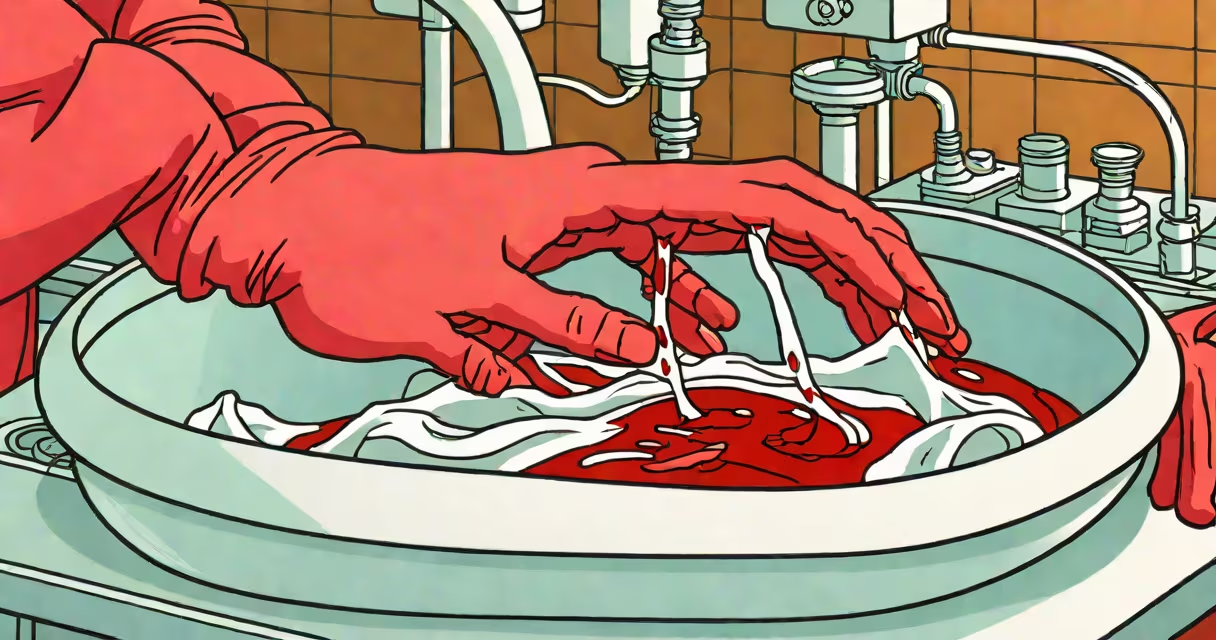
Vomiting a lot of blood, medically known as hematemesis, is a serious condition indicating significant upper gastrointestinal bleeding. It requires immediate emergency evaluation and treatment.
Hematemesis occurs when blood from the esophagus, stomach, or duodenum is expelled through the mouth. The blood may appear bright red, indicating fresh bleeding, or dark and coffee-ground-like, suggesting older blood that has been partially digested. The volume matters: vomiting more than 50 mL of blood is considered substantial and demands urgent intervention.
According to the American Gastroenterological Association, upper gastrointestinal hemorrhage affects about 100,000 people annually in the U.S., with a mortality rate of 5-10% even with treatment. A single episode of large-volume hematemesis increases the risk of shock, organ failure, and death within hours if untreated.
Blood in vomit originates above the ligament of Treitz, which marks the boundary between the upper and lower small intestine. The most common causes include peptic ulcers (especially from NSAID use or *Helicobacter pylori* infection), esophageal varices due to liver cirrhosis, Mallory-Weiss tears from violent retching, and gastric cancers.
When the mucosal lining of the stomach or esophagus is damaged, capillaries and larger vessels rupture. Blood mixes with gastric acid, turning it from red to brown or black. This process explains the characteristic "coffee ground" appearance in vomitus. The presence of clots suggests active or recent bleeding.
A 2021 study in Gastroenterology found that 60% of patients presenting with hematemesis had either peptic ulcer disease or esophageal varices. In patients with chronic alcohol use, variceal bleeding accounted for nearly 40% of cases.
The severity and cause of vomiting a lot of blood depend on the underlying pathology. The following table outlines major categories, their typical presentations, and associated risks.
| Type | Common Causes | Appearance in Vomit | Risk Level |
|---|---|---|---|
| Peptic Ulcer | NSAIDs, H. pylori, alcohol | Bright red or dark brown | High (mortality ~5%) |
| Esophageal Varices | Cirrhosis, portal hypertension | Bright red, large volume | Very high (mortality >20% if untreated) |
| Mallory-Weiss Tear | Forceful vomiting, binge drinking | Bright red, often intermittent | Moderate (usually self-limited) |
| Gastric Cancer | Chronic atrophic gastritis, age >50 | Dark, mixed with food debris | High (often advanced at diagnosis) |
One non-obvious distinction: not all blood in vomit comes from the GI tract. Hemoptysis (coughing up blood from lungs) can mimic hematemesis. However, pulmonary blood is typically frothy, not acidic, and may contain mucus. Distinguishing the source is critical - misdiagnosis delays treatment.
Hematemesis occurs most frequently in adults aged 40-70, particularly those with a history of alcohol abuse, long-term NSAID use, or liver disease. It is rare in children under 12 unless trauma or congenital vascular malformations are involved.
Alcohol-related cirrhosis leads to portal hypertension, which forces blood to reroute through fragile veins in the esophagus. These varices can rupture during swallowing or vomiting, causing massive bleeding. A patient with known cirrhosis who suddenly vomits bright red blood has a 30% chance of dying within 6 weeks without endoscopic therapy.
I experienced this firsthand while working in an urban ER: a 54-year-old man with a 20-year history of heavy drinking presented with vomiting 500 mL of bright red blood. He was hypotensive, pale, and tachycardic. Endoscopy confirmed esophageal varices. After band ligation and octreotide infusion, his bleeding stopped. Without rapid intervention, he would have died.
Many people mistake bright red blood in vomit for something minor - a sore throat, nosebleed, or even a bruised tongue. But if the blood volume exceeds a few tablespoons, or if it's accompanied by dizziness, weakness, or fainting, it is not minor.
Another error: assuming that only alcohol causes this. While alcohol is a major risk factor, NSAIDs like ibuprofen and aspirin are responsible for nearly half of all peptic ulcers leading to hematemesis. Even low-dose aspirin for heart protection can trigger bleeding in susceptible individuals.
Some patients delay seeking care because they fear hospitalization or surgery. But delaying treatment increases the risk of exsanguination. The American Society for Gastrointestinal Endoscopy states that endoscopic intervention within 12 hours of presentation reduces mortality by 35% compared to delayed treatment.
If someone vomits a large amount of blood - especially if it's bright red, clotted, or accompanied by signs of shock (cold sweat, confusion, weak pulse) - call emergency services immediately. Do not give food, drink, or medication. Lay the person on their side to prevent aspiration.
Emergency departments perform rapid assessment: important signs, blood tests (hemoglobin, INR), and endoscopy within 24 hours. Treatment includes IV fluids, blood transfusions, proton pump inhibitors, and endoscopic procedures such as injection sclerotherapy or band ligation.
After stabilization, patients require follow-up to identify the root cause. For example, a patient with *H. pylori*-associated ulcers receives antibiotics and acid suppression therapy. Those with varices undergo transjugular intrahepatic portosystemic shunt (TIPS) placement or liver transplant evaluation.
Understanding vomiting a lot of blood is not just about recognizing symptoms - it's about acting fast. Delaying care turns a treatable condition into a fatal one. If you suspect this, seek emergency care. vomiting and defecating blood often occur together in severe GI bleeds and indicate systemic involvement.
Recognizing vomiting a lot of blood as a medical emergency saves lives. Early intervention reduces complications and improves survival. Do not wait. Seek help immediately.