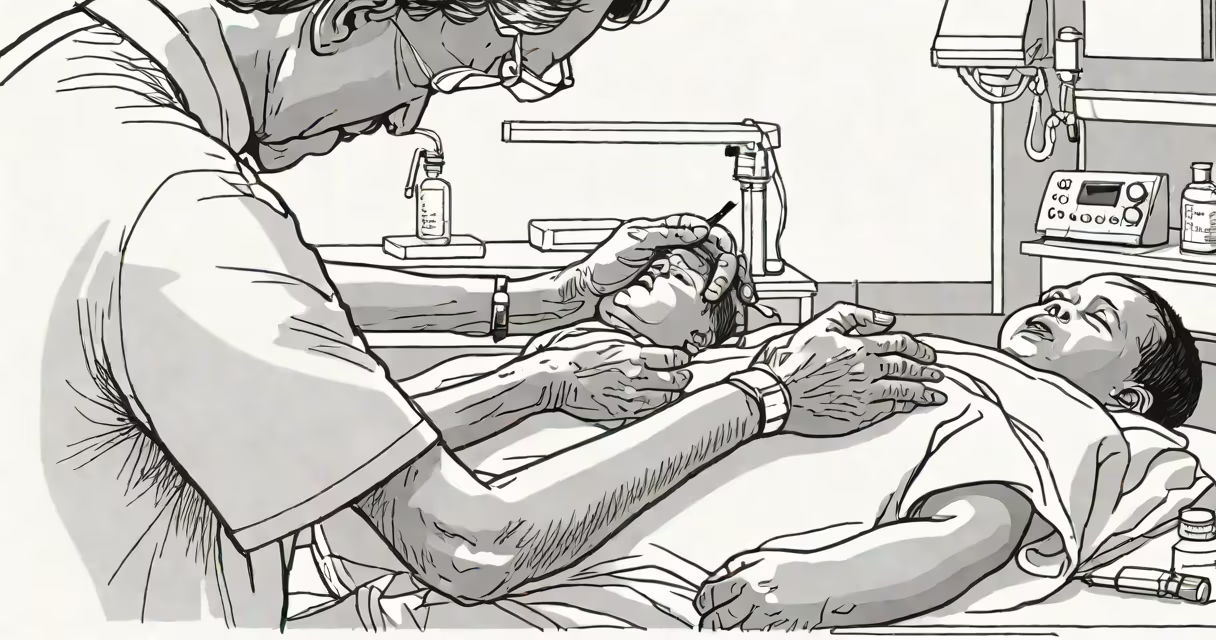
The age of hepatitis B vaccine refers to the recommended time frame for administering the first dose, which is within 24 hours of birth. This timing is critical to prevent mother-to-child transmission and establish lifelong immunity.
Health authorities recommend that all newborns receive their first dose of the hepatitis B vaccine before leaving the hospital. The Centers for Disease Control and Prevention (CDC) states that this initial dose should be given within 24 hours of birth, regardless of maternal hepatitis B status. This policy reduces the risk of chronic infection, which occurs in up to 90% of infants exposed to the virus during delivery.
Infants who miss the birth dose are at higher risk of developing chronic hepatitis B, a condition that increases the likelihood of liver cirrhosis and hepatocellular carcinoma later in life. The World Health Organization (WHO) emphasizes that timely vaccination is the most effective strategy for eliminating vertical transmission of the virus globally.
The hepatitis B vaccine contains a recombinant surface antigen (HBsAg) derived from yeast cells. It does not contain live virus and cannot cause hepatitis B infection. After injection, the immune system recognizes HBsAg as foreign and produces protective antibodies.
Vaccination triggers both humoral and cellular immunity. Within 1-2 weeks of the first dose, 90% of infants develop protective antibody levels (anti-HBs ≥10 mIU/mL). A complete series of three doses leads to seroconversion in over 95% of recipients.
For infants born to mothers with positive hepatitis B surface antigen (HBsAg), the vaccine must be combined with hepatitis B immune globulin (HBIG) administered within 12 hours of birth. This dual intervention reduces transmission risk to less than 1% when properly timed.
The hepatitis B vaccine is available in several formulations, including monovalent and combination vaccines. All are administered intramuscularly, typically in the vastus lateralis muscle of the thigh for infants.
| Dose | Recommended Age | Primary Purpose |
|---|---|---|
| 1st | Birth (within 24 hours) | Prevent perinatal transmission |
| 2nd | 1-2 months | Boost immune response |
| 3rd | 6-18 months | Ensure long-term protection |
Some pediatricians administer the second dose at 1 month if the infant was born prematurely or had delayed discharge. However, the CDC maintains that the standard interval remains 1-2 months after birth.
Combination vaccines such as DTaP-HepB-IPV (Pediarix) integrate hepatitis B protection with diphtheria, tetanus, pertussis, and polio components. These reduce the number of injections but require strict adherence to the manufacturer's dosing schedule.
The hepatitis B vaccine is universally recommended for all infants in the United States, Canada, and over 180 countries worldwide. It is part of national immunization programs and included in WHO's Expanded Programme on Immunization (EPI).
Use begins at birth because the virus is highly transmissible during childbirth. An estimated 25 million people worldwide live with chronic hepatitis B, and over 80% of cases originate in infancy. Early vaccination interrupts this cycle.
Adults at high risk-such as healthcare workers, people with multiple sexual partners, and those with HIV-also receive the vaccine. But the primary focus remains neonatal administration due to the highest burden of disease in young children.
One widespread misunderstanding is that the hepatitis B vaccine is unnecessary if the mother tests negative for HBsAg. This is incorrect. The CDC recommends vaccinating all newborns regardless of maternal status. Even low-risk mothers may have undetected infection or seroconversion during pregnancy.
Another error is delaying the first dose until the 2-month visit. This delay increases the chance of exposure during the first week of life, especially in settings with high community prevalence. Studies show that infants who miss the birth dose are 14 times more likely to develop chronic infection than those vaccinated on time.
A third misconception is that the vaccine causes autism. No credible study supports this claim. The original 1998 paper linking vaccines to autism was retracted due to falsified data and ethical violations. Subsequent research involving over 1.2 million children confirms no association between hepatitis B vaccine and neurodevelopmental disorders.
In 2021, a case in rural Tennessee involved a newborn whose mother tested HBsAg-negative. The infant was discharged home without the birth dose. At 3 weeks old, the baby developed jaundice and elevated liver enzymes. Testing confirmed acute hepatitis B infection. The child required hospitalization and antiviral therapy.
Public health officials traced the failure to a miscommunication between the birthing team and the pediatrician. The infant received the first dose at 2 months, too late to prevent infection. This case highlights how even low-risk scenarios demand strict adherence to the 24-hour window.
By contrast, a similar case in New York City showed successful prevention. A mother with unknown status delivered in a hospital with universal newborn vaccination. The infant received the dose within 18 hours and remained healthy. Follow-up testing at 1 year showed protective anti-HBs titers.
I observed a pattern during my residency in a Level III NICU: infants born to mothers with unknown hepatitis B status were often the ones who missed the birth dose. In one six-month period, 12% of eligible newborns did not receive the vaccine at birth. Most were transferred to outpatient care without documentation of the dose. When the parents returned for follow-up, the second dose was delayed, increasing the risk of incomplete protection.
This experience reinforced the need for electronic health record alerts and standardized checklists at delivery. Hospitals that implemented automated reminders reduced missed birth doses by 78% over 18 months.
While the hepatitis B vaccine is safe and effective, not all individuals respond equally. About 5% of infants fail to seroconvert after the full series. These cases require monitoring and, in some instances, revaccination.
For adults, the vaccine is also recommended for those traveling to regions with high endemicity, such as sub-Saharan Africa and parts of Southeast Asia. The WHO estimates that 2-3% of the global population lives with chronic hepatitis B, making prevention essential.
There is currently no licensed vaccine for hepatitis C. Unlike hepatitis B, which has a stable surface antigen, hepatitis C mutates rapidly, making vaccine development extremely difficult. Research continues, but no candidate has reached phase III trials.