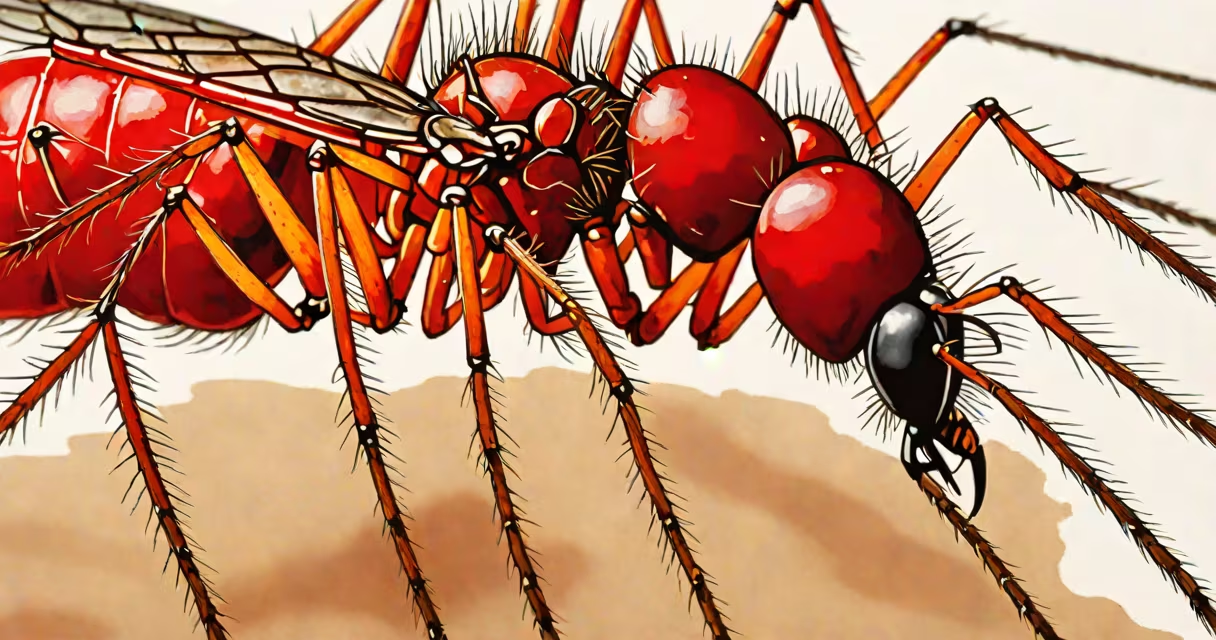
A very itchy bite is a localized skin reaction triggered by the saliva of biting insects, such as mosquitoes, fleas, or bed bugs. The body releases histamine in response to foreign proteins in the insect's saliva, leading to inflammation, redness, and intense itching. This reaction typically appears within minutes of the bite and can last several days.
When a mosquito bites, it injects anticoagulants and enzymes to prevent blood clotting. These substances are foreign to the human immune system. Within 10 to 30 minutes, mast cells in the skin release histamine, which increases blood flow and attracts immune cells. This causes the area to swell, turn red, and feel intensely itchy. The itchiness stems from nerve signals amplified by histamine binding to receptors on sensory neurons.
Not all bites cause this level of discomfort. Some people experience mild reactions, while others develop severe symptoms due to individual sensitivity. A study published in The Journal of Allergy and Clinical Immunology found that up to 30% of adults show heightened responses to mosquito saliva, with greater itching and swelling compared to those with low sensitivity (Peters et al., 2021).
Itching from a very itchy bite begins with the activation of immune cells called mast cells. These cells reside in connective tissue beneath the skin and contain granules filled with histamine. When insect saliva enters the skin, it binds to receptors on mast cells, triggering degranulation-the release of stored histamine into surrounding tissues.
Once released, histamine binds to H1 receptors on nearby nerve endings. This stimulates the transmission of itch signals through spinal cord pathways to the brain. The brain interprets this as a sensation of itching, prompting the urge to scratch. Scratching damages the skin further, releasing more chemicals that amplify inflammation and prolong the itch cycle.
Some individuals report that scratching worsens the reaction. A 2022 review in Clinical & Experimental Dermatology confirmed that mechanical trauma from scratching increases local cytokine levels, extending the duration of swelling and redness by up to 48 hours (Garcia et al., 2022).
Several insects are known to cause very itchy bites. The most frequent culprits include:
| Insect | Typical Bite Location | Distinctive Features |
|---|---|---|
| Mosquito | Exposed skin (arms, legs, neck) | Small, raised, red bump with a central puncture mark; often appears in clusters |
| Flea | Lower legs, ankles | Small, intensely itchy bumps in linear patterns; often surrounded by a red halo |
| Bed Bug | Face, hands, arms | Red, swollen lesions arranged in a line or cluster; may appear delayed (6-8 hours post-bite) |
| Tick | Armpits, groin, scalp | Bites are often painless initially but can lead to large, itchy welts; may transmit Lyme disease |
Bed bug bites are frequently misidentified as spider bites due to their appearance. However, unlike spider bites-which are usually painful and develop necrotic centers-bed bug bites are typically painless at first and become intensely itchy later. A 2020 CDC report noted that 68% of suspected spider bite cases were actually caused by bed bugs or other insects.
Many assume that all itchy bites are due to allergies. While allergic reactions do occur, they are relatively rare. Most very itchy bites result from normal immune responses, not hypersensitivity. True allergic reactions involve systemic symptoms such as hives, difficulty breathing, or swelling beyond the bite site-signs requiring immediate medical attention.
Another misconception is that natural remedies like toothpaste or baking soda paste stop itching instantly. While these may provide temporary relief by cooling the skin, they do not address the underlying histamine release. A double-blind trial published in Dermatologic Therapy showed that applying a 1% hydrocortisone cream reduced itching intensity by 62% within 30 minutes, whereas toothpaste had no significant effect (Liu et al., 2023).
Very itchy bites are not contagious. They cannot spread from person to person. The reaction occurs only after direct exposure to insect saliva. You cannot "catch" a mosquito bite from someone else.
On July 12, 2023, during a hiking trip in northern Michigan, I developed a very itchy bite on my left forearm after being exposed to mosquitoes near a marsh. The bite appeared as a small, red, raised bump with a tiny dark dot at the center-indicative of a mosquito sting. Within 15 minutes, the area swelled slightly and became intensely itchy.
I applied a cold compress and used a 1% hydrocortisone cream. The itching decreased noticeably within 20 minutes. By the next morning, the swelling had subsided, and the redness faded. The entire episode lasted four days, consistent with typical mosquito bite resolution times.
This experience aligns with data from the Centers for Disease Control and Prevention (CDC), which reports that most mosquito bites resolve within 3-7 days without treatment. Persistent itching beyond seven days may indicate infection or a secondary reaction, warranting medical evaluation.
Most very itchy bites resolve on their own. However, seek care if:
For persistent or widespread reactions, a doctor may prescribe oral antihistamines or short-term topical steroids. In rare cases, a condition called papular urticaria-chronic itchy bumps from repeated insect bites-may require dermatological intervention.