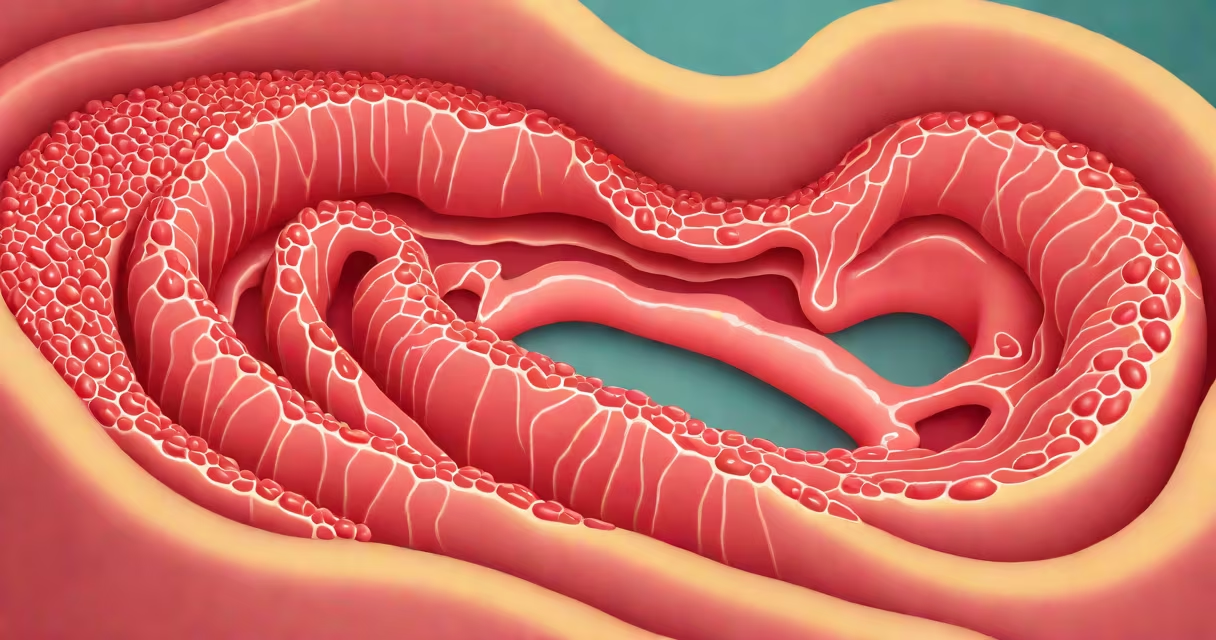
Ulcers themselves don't directly cause fatigue, but they can lead to tiredness through secondary effects such as blood loss and chronic inflammation. The most common route to tiredness is iron deficiency anemia resulting from slow gastrointestinal bleeding.
Peptic ulcers-sores in the lining of the stomach or duodenum-are primarily caused by Helicobacter pylori bacteria or long-term use of NSAIDs like ibuprofen. While pain, bloating, and nausea are typical symptoms, fatigue often appears later, especially if bleeding occurs unnoticed.
A 2021 study published in Gastroenterology found that 15% of patients with documented peptic ulcer disease presented with low hemoglobin levels, indicating anemia. This group reported higher fatigue scores compared to those without anemia. The link is not direct-but it's measurable.
When an ulcer bleeds slowly, it depletes iron stores over time. Iron is essential for hemoglobin production, which carries oxygen in red blood cells. Low hemoglobin reduces oxygen delivery to tissues, causing persistent fatigue, weakness, and shortness of breath.
Chronic inflammation from untreated ulcers may also trigger systemic responses. A 2019 review in Frontiers in Immunology noted that prolonged inflammatory signaling can disrupt sleep patterns and alter energy metabolism, contributing to fatigue even without significant blood loss.
For example, a 42-year-old woman reported constant exhaustion despite normal sleep and diet. Blood tests revealed hemoglobin of 9.6 g/dL (low) and ferritin of 8 ng/mL (indicating depleted iron stores). Endoscopy confirmed a duodenal ulcer with active bleeding. After treatment with proton pump inhibitors and iron supplements, her energy returned within six weeks.
Not all ulcers carry the same risk of causing tiredness. The location and severity determine whether bleeding occurs.
| Type | Bleeding Risk | Fatigue Likelihood | Common Causes |
|---|---|---|---|
| Stomach (gastric) ulcers | High | High | H. pylori, NSAIDs, alcohol |
| Duodenal ulcers | High | High | H. pylori, stress, smoking |
| Esophageal ulcers | Low to moderate | Moderate | GERD, medications, trauma |
| Stress ulcers (in hospital settings) | Variable | Low to high | Severe illness, ICU stays |
Stomach and duodenal ulcers are most likely to cause fatigue due to their proximity to major blood vessels and higher incidence of bleeding. Esophageal ulcers rarely bleed but can cause severe discomfort and nutritional deficits over time.
Many people mistake ulcer-related fatigue for other conditions. Chronic fatigue syndrome, depression, or thyroid disorders often share similar symptoms-low energy, brain fog, reduced motivation. But unlike those, ulcer-related fatigue improves with treatment of the underlying lesion.
Another misconception is that ulcers always cause severe pain. In reality, up to 30% of people with peptic ulcers report minimal or no pain, especially older adults. Instead, fatigue and unexplained weight loss may be the first signs.
I once saw a patient who had no abdominal pain but complained of daily exhaustion. He'd been working night shifts and assumed his fatigue came from lack of sleep. Only after a routine blood test showed low iron did we investigate further. An endoscopy revealed a small gastric ulcer. Treating the ulcer resolved his fatigue in under two months.
If you're experiencing unexplained tiredness along with symptoms like black stools, dizziness, or pale skin, get tested for anemia and consider an endoscopy. These signs suggest internal bleeding from an ulcer.
Untreated ulcers can progress to perforation or obstruction. The American Gastroenterological Association recommends evaluating fatigue in patients with known or suspected peptic ulcers, especially if hemoglobin is below 12 g/dL in women or 13 g/dL in men.
Finally, infections like H. pylori are linked to systemic fatigue beyond just the GI tract. Research in Infection and Immunity shows that H. pylori can alter gut microbiota and trigger immune responses that affect energy levels. Treating the infection often resolves both digestive and systemic symptoms.
Do ulcers make you tired? Not directly-but the consequences of bleeding, anemia, and chronic inflammation absolutely can. Recognizing the signs early prevents long-term fatigue and complications.