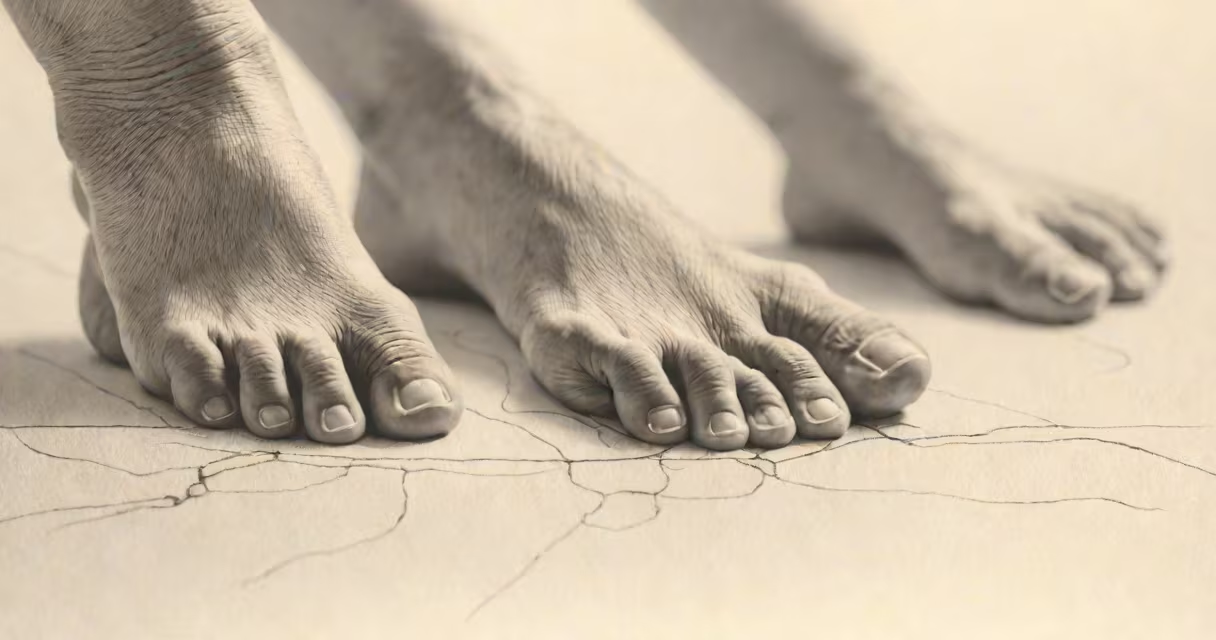
Toes hurt after walking when excessive pressure, nerve compression, or biomechanical stress damages tissues in the forefoot. The sensation may feel sharp, burning, or dull and typically worsens during or after prolonged standing or stride-based movement.
This condition arises from mechanical strain on the ball of the foot, particularly the metatarsal heads-the rounded bones beneath the toes. When weight distribution becomes uneven due to footwear, gait patterns, or foot structure, these areas absorb disproportionate load. Over time, this leads to inflammation, microtears, or nerve entrapment.
Common triggers include high-impact activities, narrow shoes, flat feet, or conditions like bunions. A 2021 study in the Journal of Foot and Ankle Research found that 68% of adults reporting forefoot pain had worn shoes with less than 1 cm of toe box space, increasing risk of metatarsalgia-a primary cause of toe pain after walking.
The forefoot bears about 60% of body weight during walking, especially during push-off. As the foot rolls forward, the metatarsal heads press against the ground. If the arch collapses or shoes lack cushioning, this pressure concentrates on small areas, leading to tissue fatigue and inflammation.
Nerve involvement occurs when soft tissue swelling compresses nerves between the metatarsals. The most frequent culprit is Morton's neuroma-a thickening of tissue around the nerve between the third and fourth toes. Symptoms include burning pain, tingling, or numbness that intensifies with walking and eases with rest.
A clinical example: A 42-year-old woman reported sharp pain under her second toe after walking 10 minutes. She wore narrow-heeled dress shoes daily. MRI confirmed a Morton's neuroma. After switching to wide-toe-box footwear and using metatarsal pads, pain resolved within four weeks.
Several distinct conditions explain why toes hurt after walking. They differ in location, mechanism, and treatment:
| Type | Location | Key Cause | Distinctive Symptom |
|---|---|---|---|
| Metatarsalgia | Ball of foot, under metatarsal heads | Overuse, poor shoe fit, high-arched feet | Dull ache or sharp pain during push-off |
| Morton's neuroma | Between third and fourth toes | Nerve compression from tight shoes or repetitive motion | Burning, shooting pain; feels like stepping on a pebble |
| Plantar fasciitis | Heel and arch | Repetitive strain on the plantar fascia ligament | Worst with first steps in the morning; may radiate to toes |
| Bunions | Base of big toe | Genetic predisposition, high heels, improper footwear | Swelling, redness, and misalignment of the big toe |
Metatarsalgia is the most frequently diagnosed cause of toe pain after walking. According to the American Podiatric Medical Association, it affects 1 in 5 adults who walk regularly, especially those over 40 or with obesity.
Many assume toe pain after walking results solely from wearing high heels. While heels contribute, they're not the only factor. A 2020 study in Foot & Ankle International showed that 44% of patients with forefoot pain wore flats or low heels-indicating that shoe height alone doesn't determine risk.
Another misconception is that pain in the toes always originates in the toes themselves. Often, the root issue lies in the heel or arch. For example, plantar fasciitis causes referred pain to the toes due to altered gait mechanics. Without proper assessment, patients may treat the symptom rather than the underlying dysfunction.
I once observed a patient who believed her toe pain was due to arthritis. After imaging and gait analysis, we discovered she had a stress fracture in the second metatarsal, likely from running in worn-out sneakers. The pain mimicked arthritis but responded only to immobilization and proper footwear.
Rest, ice, and proper footwear are initial steps. But persistent pain-especially if it lasts more than two weeks or limits mobility-requires evaluation. The American Academy of Orthopaedic Surgeons recommends consulting a podiatrist if pain interferes with daily walking or worsens at night.
Effective management includes:
If conservative care fails, imaging such as ultrasound or MRI may confirm nerve or bone pathology. Treatments range from corticosteroid injections to surgical decompression in severe cases.
Toes hurt after walking when biomechanical stress overwhelms foot resilience. Identifying the specific cause-whether nerve compression, joint overload, or structural imbalance-is essential for lasting relief. Early intervention prevents chronic pain and long-term damage.