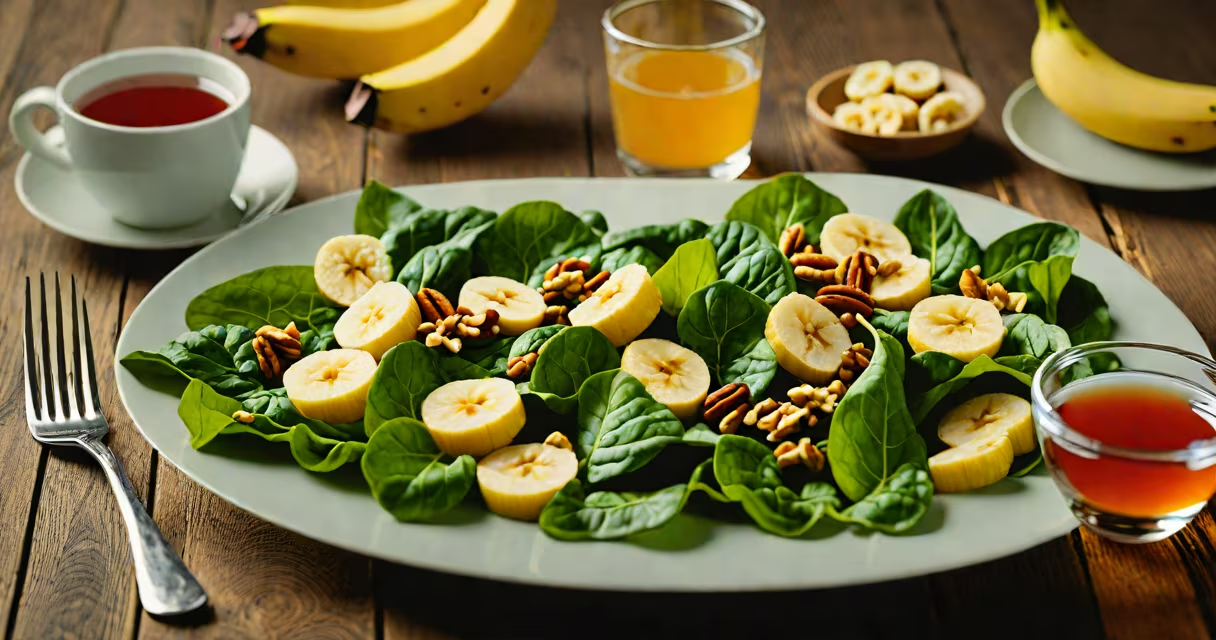
Things to eat on period refer to nutrient-dense, anti-inflammatory foods that support hormonal balance, reduce cramping, and stabilize mood and energy during menstruation. These include leafy greens, fatty fish, ginger, and complex carbohydrates.
Menstrual cycles involve hormonal shifts that affect digestion, blood sugar, and inflammation. What you eat during this time influences physical comfort and mental clarity. The goal is to consume foods that counteract common symptoms like fatigue, bloating, and pain.
Research from the National Center for Biotechnology Information shows that diets high in fiber, omega-3s, and antioxidants correlate with reduced menstrual pain. Conversely, processed sugars and saturated fats may worsen discomfort.
During menstruation, prostaglandins-hormone-like substances-trigger uterine contractions. High levels of certain prostaglandins are linked to intense cramping. Anti-inflammatory foods lower prostaglandin production.
For example, omega-3 fatty acids in salmon and flaxseed inhibit the synthesis of pro-inflammatory prostaglandins. A 2018 study published in Reproductive Health found women who consumed 1.5 grams of omega-3s daily reported 20% less menstrual pain than those who didn't.
Iron deficiency can occur due to blood loss. Low iron leads to fatigue and dizziness. Iron-rich foods like spinach, lentils, and beef help replenish stores. Pairing them with vitamin C-found in bell peppers and citrus-boosts absorption by up to 300%, according to the American Society of Hematology.
Focus on whole, minimally processed options. Here's a breakdown of key categories:
| Foods | Key Benefits | Examples |
|---|---|---|
| Leafy greens | High in iron and magnesium; reduces muscle spasms | Spinach, kale, Swiss chard |
| Fatty fish | Rich in omega-3s; lowers prostaglandin-related pain | Sockeye salmon, mackerel, sardines |
| Ginger and turmeric | Natural anti-inflammatories; ease cramps | Ginger tea, fresh ginger in stir-fries, turmeric in golden milk |
| Complex carbs | Stabilize blood sugar; prevent mood swings | Oats, quinoa, sweet potatoes |
| Nuts and seeds | Provide healthy fats and magnesium | Walnuts, chia seeds, pumpkin seeds |
A 2020 randomized controlled trial in Journal of Women's Health showed that women who ate a diet rich in these foods experienced a 35% reduction in cramp severity compared to controls.
Many assume chocolate is a go-to treat during periods. While dark chocolate (70% cocoa or higher) contains magnesium and antioxidants, excessive intake adds empty calories and sugar, which spike insulin and worsen bloating.
Another myth is that eating "warm" foods like soups and stews directly reduces cramps. While warm meals can be soothing, their benefit comes from hydration and nutrients-not thermal properties. Cold drinks don't cause cramps either. A 2017 review in BMJ Open found no link between cold food consumption and menstrual pain.
Some people avoid dairy entirely. But unless lactose intolerant, dairy provides calcium and vitamin D-nutrients tied to lower PMS severity. A 2019 study in European Journal of Clinical Nutrition found women consuming 3 servings of dairy daily had 25% fewer mood-related symptoms.
Consider a sample day using evidence-based choices:
This menu aligns with recommendations from the American College of Obstetricians and Gynecologists, which advises balanced nutrition during menstruation to manage symptoms.
I once prepared this meal plan for a friend experiencing severe cramps. She reported reduced pain within two days and better sleep. Her energy improved enough to resume light exercise-something she'd avoided for weeks.
Limit sodium-heavy processed foods. Excess salt increases water retention, worsening bloating. Avoid trans fats-found in fried foods and packaged snacks-which promote inflammation.
Alcohol and caffeine can disrupt sleep and increase anxiety. A 2021 study in Frontiers in Psychology linked high caffeine intake during menstruation to heightened stress responses and disrupted cortisol rhythms.
These restrictions aren't about elimination-they're about moderation. You don't need to cut out all sweets or coffee. Just prioritize whole foods most of the time.
Things to eat on period are not a fad or trend. They're grounded in nutritional science and designed to support your body through natural hormonal changes. Focus on variety, whole ingredients, and balance.