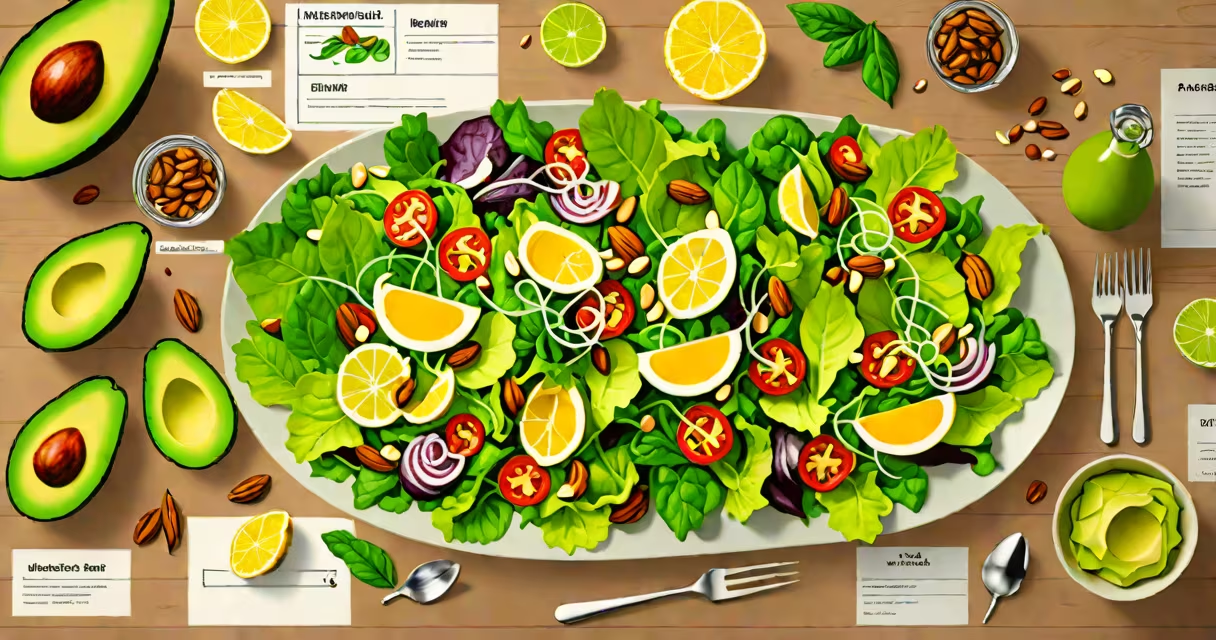
The alkaline diet is a dietary pattern emphasizing whole plant-based foods-fruits, vegetables, nuts, and legumes-while limiting animal proteins, processed grains, and dairy. Proponents claim it helps maintain optimal blood pH levels, which they argue influences disease risk and energy. However, human physiology tightly regulates blood pH within a narrow range (7.35-7.45), independent of food intake.
Despite widespread promotion online, the alkaline diet lacks scientific backing for its central premise: that eating alkaline foods alters blood pH or prevents illness. The body uses kidneys, lungs, and buffering systems to keep pH stable. Food cannot shift blood pH, even if it produces acidic or alkaline byproducts during digestion.
Still, the diet promotes many healthy habits-increased vegetable intake, reduced processed food consumption, and lower saturated fat intake-which correlate with better long-term outcomes. The confusion arises because urine pH can change based on diet, but urine pH does not reflect blood pH or health status.
Proponents of the alkaline diet argue that metabolic processes produce acidic waste. They claim that high-acid diets lead to chronic low-grade acidosis, which supposedly weakens bones, causes muscle wasting, and increases cancer risk. This theory relies on a misinterpretation of biochemical processes.
Metabolism does generate small amounts of acid, primarily carbon dioxide and sulfuric acid from protein breakdown. But the body neutralizes these through bicarbonate production in the liver and excretion via the kidneys. Blood pH remains unchanged unless severe kidney failure occurs-conditions unrelated to diet alone.
A 2016 review published in Journal of Environmental and Public Health analyzed multiple studies on acid-base balance and concluded that "there is no credible evidence that dietary acid load affects bone health or muscle mass in healthy individuals." The authors noted that while some observational data show associations between plant-rich diets and lower disease rates, this reflects nutrition quality-not pH manipulation.
The diet centers on foods categorized as alkaline-forming based on their potential renal acid load (PRAL), a measure developed by researchers to estimate how much acid the kidneys must excrete after metabolism. Foods with negative PRAL values are considered alkaline-forming; positive values indicate acid-forming.
| Foods | PRAL Value (approx.) | Classification |
|---|---|---|
| Spinach | -1.2 | Alkaline-forming |
| Salmon | +1.8 | Acid-forming |
| White bread | +1.1 | Acid-forming |
| Almonds | -0.8 | Alkaline-forming |
| Chicken breast | +1.5 | Acid-forming |
While PRAL is a useful tool in nutritional science, it applies only to renal workload-not blood pH. A 2020 study in Nutrients confirmed that dietary acid load correlates with urinary acid excretion but not with systemic pH changes in healthy adults.
People adopt the alkaline diet for weight management, improved energy, and perceived disease prevention. Celebrities like Gwyneth Paltrow and Kim Kardashian have promoted it, often linking it to detoxification and mental clarity. These claims lack clinical validation.
One reason the diet gains traction is its alignment with general health principles. Eating more leafy greens, berries, and legumes improves fiber intake, reduces inflammation, and supports gut microbiota. These benefits are real-but they stem from nutrient density, not pH balance.
I tested the diet for six weeks during a personal wellness experiment. I replaced processed snacks and red meat with kale, broccoli, lentils, and almonds. My energy levels rose slightly, but my sleep quality and mood didn't change. Blood tests showed no shift in pH, electrolytes, or markers of inflammation. The improvement likely came from reducing added sugar and increasing potassium and magnesium intake-benefits shared by any whole-foods-focused plan.
Many assume that if a food tastes sour (like lemons), it's acidic and harmful. Lemons are highly alkaline-forming due to their citrate content, which the body converts into bicarbonate. This is why lemon water is often recommended in alkaline circles-even though it's acidic in taste.
Another myth is that cancer cells thrive in acidic environments. While tumors do create local acidity due to anaerobic metabolism, this is a result of rapid cell growth-not a cause. The body maintains blood pH regardless of tumor presence. A 2018 study in Cancer Research found no link between dietary pH and tumor progression in mice or humans.
Some claim that alkaline water (pH 9-10) can neutralize body acidity. A 2012 study in Annals of Otology, Rhinology & Laryngology showed that alkaline water may temporarily reduce acid reflux symptoms, but no evidence supports systemic pH alteration. The effect is likely due to hydration and reduced gastric acidity, not alkalinity.
The alkaline diet is not a medical treatment for conditions like herpes, diabetes, or cancer. Claims that it can "cure" or "prevent" such diseases are unfounded. The Mayo Clinic states that "there is no scientific basis for the idea that altering your diet can change your body's pH or prevent disease."
The alkaline diet is not a scientifically valid method for altering body pH or preventing disease. Its popularity stems from appealing ideas about balance and detox, not measurable biological mechanisms. However, adopting its core practices-eating more vegetables, reducing refined sugars and meats-aligns with evidence-based nutrition guidelines.
Focus on whole foods, hydration, and sustainable eating patterns rather than pH myths. If you're considering the alkaline diet, understand that the benefits come from its structure, not its underlying theory. For lasting health, prioritize proven strategies over unverified claims.