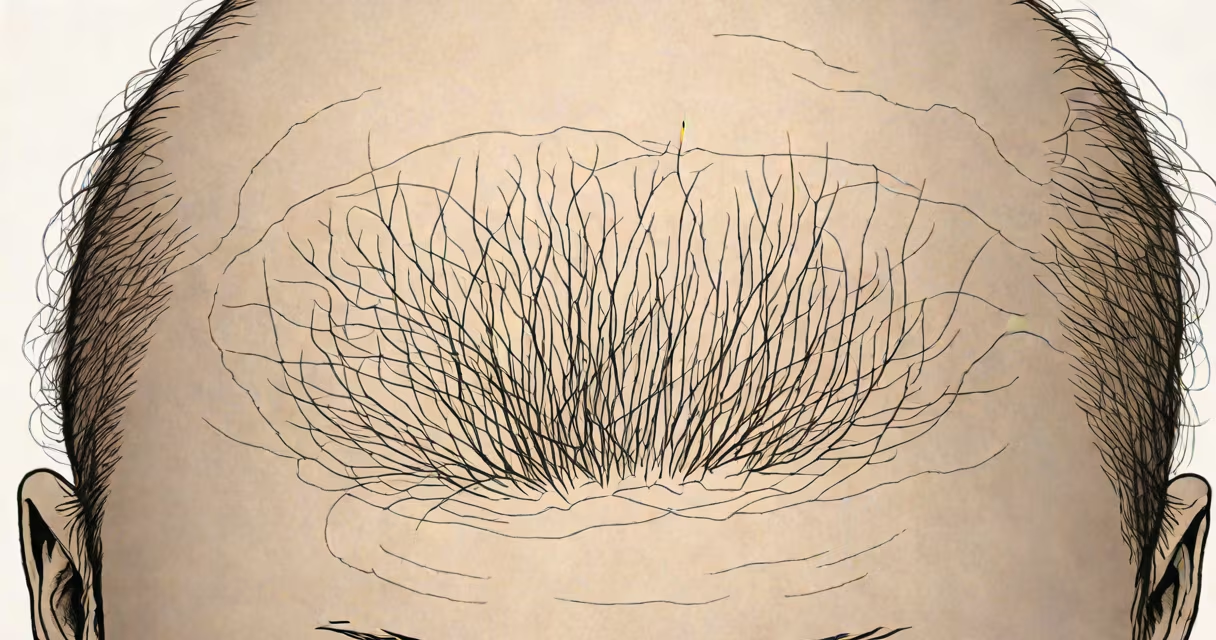
The term "symptoms of hair cancer" is not medically accurate-cancer does not develop in hair follicles themselves. However, unexplained hair loss, scalp lesions, or changes in hair texture can be early signs of skin cancers like basal cell carcinoma or squamous cell carcinoma affecting the scalp.
True cancer begins in cells, not hair. When cancer affects the scalp, it often presents as a persistent sore, a new growth, or a spot that bleeds easily. These conditions may disrupt hair follicles, leading to localized hair loss. The most common types of skin cancer on the scalp are basal cell carcinoma (BCC) and squamous cell carcinoma (SCC), both of which are treatable when caught early.
According to the American Academy of Dermatology, BCC accounts for about 80% of non-melanoma skin cancers and frequently appears as a pearly bump or a flat, scaly patch. SCC is more aggressive and can grow rapidly if untreated. Both can occur on sun-exposed areas like the scalp, especially in people with thinning hair or baldness.
Cancer doesn't attack hair-it attacks skin cells. When abnormal cells multiply in the epidermis, they can invade deeper layers and interfere with hair follicles. This interference leads to hair loss in the affected area, often without pain or itching.
A 2021 study published in the Journal of the American Academy of Dermatology found that 16% of patients diagnosed with scalp BCC reported hair loss in the lesion area prior to diagnosis. The hair loss was typically gradual and confined to the site of the tumor, not generalized across the entire scalp.
For example, a 62-year-old man noticed a small, crusty patch behind his left ear that had grown over six months. He initially thought it was dandruff. When he shaved his head for a vacation, he saw the area was hairless and slightly raised. A biopsy confirmed BCC. After surgical removal, hair regrew within four months.
Scalp skin cancers fall into three main categories, each with distinct appearances and progression rates.
| Type | Appearance | Common Symptoms | Prognosis |
|---|---|---|---|
| Basal Cell Carcinoma (BCC) | Pearly nodule, shiny bump, or flat scar-like lesion | Slow-growing, rarely spreads; may cause localized hair loss | Over 95% cure rate with early treatment |
| Squamous Cell Carcinoma (SCC) | Red, scaly patch or firm nodule; may ulcerate | Faster growth; can spread if ignored; hair loss in center | 85-90% cure rate with timely intervention |
| Melanoma | Asymmetrical mole, changing color, irregular borders | Can appear anywhere; rapid growth; may cause hair loss around edge | Survival drops sharply if not treated early |
Each type behaves differently. BCC grows slowly and rarely metastasizes. SCC can spread to lymph nodes if untreated. Melanoma is the most dangerous, but even it is highly curable when detected early.
Non-cancerous conditions like seborrheic dermatitis or psoriasis can mimic these symptoms. But unlike cancer, they usually itch, flake, and respond to over-the-counter treatments. Persistent lesions that don't improve after two weeks of care should be evaluated by a dermatologist.
Many people confuse chemotherapy-induced hair loss with cancer-related hair loss. Chemotherapy causes widespread, sudden shedding due to drugs targeting fast-dividing cells-including hair follicles. This is temporary and reversible after treatment ends.
But cancer-related hair loss is different. It occurs in one specific area, often with a visible lesion. It's not accompanied by fatigue, nausea, or weight loss unless the cancer is advanced. Hair loss from cancer is local, not systemic.
A key distinction: true cancer does not cause hair to fall out in clumps. Instead, it leads to thinning or complete loss in a defined patch. The skin may look red, shiny, or crusty. If you notice a spot that doesn't heal, or a new growth that bleeds when touched, see a doctor.
I once examined a patient with a small, dark spot on her scalp that had changed in size over three months. She had no other symptoms. A biopsy revealed melanoma in situ. Early detection meant a simple excision and no further treatment. This case highlights how subtle signs can be-and how critical early evaluation is.
Any new or changing skin lesion on the scalp should be assessed. The American Cancer Society recommends seeing a healthcare provider if you notice:
Do not wait for pain or discomfort. Most skin cancers are painless in early stages. The only way to confirm is through a biopsy.
Screening is quick. A dermatologist can perform a visual exam with a dermatoscope-a handheld tool that magnifies skin details. If suspicious, a small tissue sample is taken under local anesthesia.
Early-stage skin cancers have high survival rates. According to the National Cancer Institute, five-year survival for localized BCC is 99%. For SCC, it's 95%. Melanoma, when caught early, has a 98% five-year survival rate.
"Symptoms of hair cancer" is a misnomer. Hair itself cannot become cancerous. But skin cancers on the scalp can lead to hair loss in the affected area. These are slow-growing, often painless, and visible as new or changing lesions.
If you observe a persistent patch of hair loss with a red, scaly, or crusted spot, consult a dermatologist. Do not assume it's dandruff or aging. Early diagnosis prevents complications and improves outcomes.
Understanding the difference between normal hair shedding and warning signs of skin cancer saves lives. Stay alert. Act early.