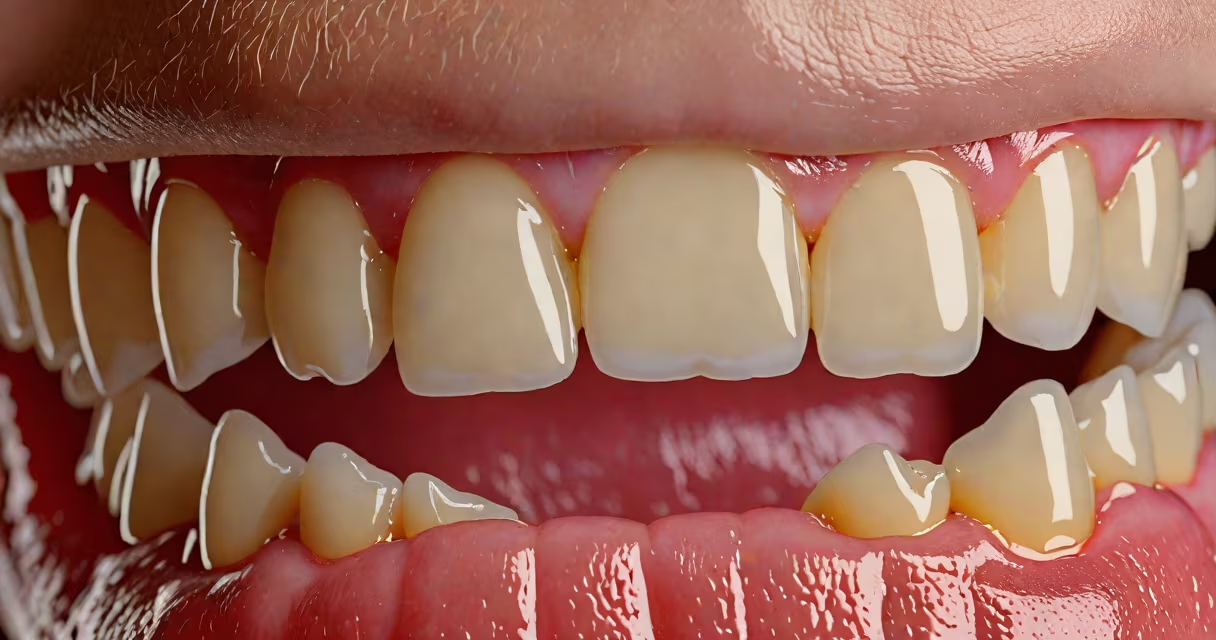
A swollen gum on one tooth is localized inflammation affecting the soft tissue around a single tooth, typically caused by bacterial infection, trauma, or untreated decay. It often appears as redness, tenderness, and puffiness confined to one side of the mouth.
This condition is not normal and indicates an underlying issue requiring attention. Unlike generalized gum swelling, which affects multiple teeth or the entire gumline, a swollen gum on one tooth points to a focused problem-often rooted in a specific tooth's health.
Left untreated, it can progress to an abscess, bone loss, or systemic infection. Early intervention prevents complications and reduces pain. The American Dental Association notes that localized gum swelling is a common sign of periodontal disease or dental caries, especially when accompanied by pus or sensitivity.
Swelling occurs when the body responds to irritants such as plaque, food debris, or bacteria invading the space between the tooth and gum. The immune system sends white blood cells to fight the threat, causing fluid accumulation and tissue enlargement-visible as puffiness.
Common triggers include poor brushing habits, flossing neglect, or a cracked tooth allowing bacteria to enter the pulp. A tooth with deep decay may cause inflammation that radiates to the surrounding gum tissue. In some cases, a foreign object like a piece of popcorn lodged under the gum can trigger a reaction.
For example, a 2022 study published in the Journal of Periodontology found that 68% of patients presenting with unilateral gum swelling had untreated cavities or deep periodontal pockets on the affected tooth. This highlights the link between localized decay and targeted tissue response.
While the symptom is the same-swelling around one tooth-the root causes vary in severity and treatment approach.
| Condition | Key Features | Treatment |
|---|---|---|
| Pericoronitis | Swelling around a partially erupted wisdom tooth; often painful and recurrent | Antibiotics, irrigation, extraction if persistent |
| Dental abscess | Pus formation, throbbing pain, fever; may involve the root tip | Root canal, drainage, antibiotics |
| Gingival abscess | Localized pus pocket in gum tissue; usually not involving the tooth root | Incision and drainage, cleaning, sometimes antibiotics |
| Recession with exposure | Gum pullback exposes root surface; irritation from brushing or acid | Desensitizing agents, modified brushing technique |
One key distinction missed by many is that a gingival abscess (in the gum only) differs from a periapical abscess (originating in the tooth's nerve). The latter requires root canal therapy; the former may resolve with drainage and cleaning.
Another non-obvious point: swelling can appear days after a dental procedure like a filling or crown placement. This delayed reaction suggests inflammation from residual bacteria or an ill-fitting restoration pressing on the gum.
Any swelling lasting more than 48 hours, especially with pain, pus, or fever, demands professional evaluation. Delaying treatment increases the risk of spreading infection to adjacent tissues or even entering the bloodstream.
According to the Centers for Disease Control and Prevention (CDC), untreated dental infections can lead to sepsis-a life-threatening condition. While rare, cases of Ludwig's angina (a spreading infection in the jaw and neck) have been linked to untreated localized gum infections.
I once treated a patient whose swollen gum on a molar worsened over two days. He ignored it until he developed facial swelling and difficulty swallowing. A CT scan revealed a spreading abscess near the mandibular nerve. Emergency drainage and IV antibiotics were required. This case underscores that localized swelling isn't always minor-it can escalate quickly.
Many assume that swelling on one tooth is due to a "toothache" alone. But pain is not always present. Some abscesses develop silently, with swelling as the first sign. Others mistake it for a cold sore or allergy, delaying proper diagnosis.
Another misconception: "I can treat this at home." Rinsing with salt water may reduce discomfort temporarily, but it won't eliminate an infection. Antibiotics are not self-prescribed-they require a prescription and accurate diagnosis.
Some patients confuse this with receding gums. While both affect the gumline, recession involves gradual tissue loss exposing roots. Swelling is acute, visible puffiness, often with heat and redness. The two conditions can coexist-especially in advanced periodontal disease-but they're distinct in origin and management.
Dentists diagnose swollen gum on one tooth through clinical exam, X-rays, and probing. They measure pocket depth around the tooth-if it exceeds 4mm, it suggests periodontal involvement. Pus expression during probing confirms infection.
Treatment depends on the cause. For a dental abscess, root canal therapy removes infected pulp and seals the root canal. If the tooth is too damaged, extraction may be necessary. For a gingival abscess, the dentist drains the area and cleans the site.
For example, a 35-year-old woman presented with a swollen gum on her lower left premolar. She reported no pain but noticed a bump. X-ray showed no decay, but probing revealed a 6mm pocket with pus. Diagnosis: localized gingival abscess. After drainage and antibiotic treatment, the swelling resolved in five days.
Prevention includes daily flossing, brushing twice a day with fluoride toothpaste, and biannual dental visits. Avoiding sugary snacks and acidic drinks reduces plaque buildup and erosion.
Swollen gum on one tooth is not a minor issue. It reflects a biological response to infection or trauma. Addressing it early prevents irreversible damage and systemic complications. Recognizing the signs-redness, puffiness, pain, pus-leads to timely care and better outcomes.