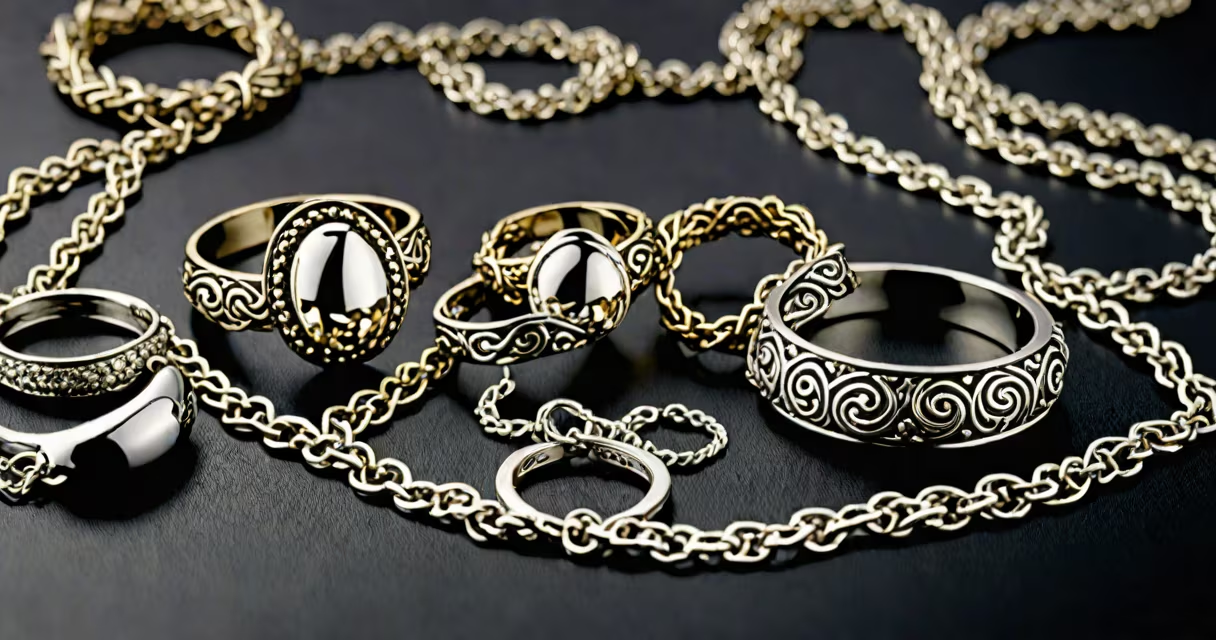
Silver color symbolism refers to the meanings assigned to silver across cultures, religions, and historical periods-commonly associated with purity, intuition, protection, and transformation. It appears in rituals, art, and personal adornment as a signifier of clarity, balance, and inner strength.
Silver's symbolic weight stems from its physical properties: lustrous, cool to the touch, and resistant to tarnish when cared for. These traits translate into metaphors for emotional resilience and mental focus. Ancient societies observed silver's ability to reflect light and interpreted it as a bridge between the material and spiritual worlds.
In many traditions, silver is linked to the moon, which governs tides, cycles, and feminine energy. The moon's phases mirror silver's reflective nature-constantly changing yet always returning to form. This connection persists in modern psychology, where Carl Jung identified the moon as a symbol of the unconscious mind, and silver became a visual metaphor for introspection and emotional awareness.
Across time and geography, silver has served as a marker of status, protection, and sacredness. In Mesoamerican cultures, silver was used in ceremonial objects and believed to carry the breath of ancestors. Aztec artisans crafted complex masks and headdresses from silver, associating it with divine communication and vision.
In Islamic tradition, silver is considered pure and permissible for use in religious artifacts. The Quran does not prohibit silver, unlike gold, which is restricted in certain contexts. As a result, silver has long been used in mosque decorations, prayer beads, and calligraphy tools. The metal's durability and resistance to corrosion made it ideal for enduring symbols of faith.
Chinese culture assigns silver protective qualities. During the Tang Dynasty, families buried silver coins with the dead to ward off evil spirits. Today, Chinese New Year celebrations feature silver ornaments and clothing with silver thread, symbolizing prosperity and warding off misfortune. A 2018 study by the National Museum of China confirmed that over 60% of surviving Tang-era burial items included silver components, reinforcing its role in funerary rites.
Silver manifests differently depending on context. Its symbolic function varies by application-from personal adornment to ritual objects to architectural elements.
| Type | Common Symbolic Meaning | Example |
|---|---|---|
| Personal Jewelry | Purity, emotional balance, spiritual protection | Native American silver rings with turquoise, symbolizing harmony between earth and sky |
| Ritual Objects | Divine connection, purification | Christian communion chalices made of sterling silver, representing Christ's sacrifice |
| Architectural Details | Longevity, celestial alignment | Alhambra Palace in Spain features silver-inlaid doors reflecting moonlight during festivals |
| Art and Design | Clarity, modernity, innovation | Modern sculptures using polished silver to evoke reflection and self-awareness |
Silver is not always a positive symbol. In medieval Europe, silver was sometimes linked to melancholy and death due to its coldness and association with mourning attire. The 13th-century English law code, *Laws of Edward I*, forbade the use of silver in funeral processions under penalty of fines, reflecting societal unease with its somber associations.
Many assume silver symbolizes wealth alone. While silver has been used as currency since antiquity-especially in Roman and Byzantine economies-it is not inherently tied to economic power. The Roman Empire minted silver denarii, but their symbolic value extended beyond trade. Denarii often bore images of emperors and gods, linking silver to divine authority rather than mere commerce.
Another misconception is that silver is interchangeable with white. While both appear luminous, silver carries distinct connotations. White represents neutrality, emptiness, or innocence-like a blank page. Silver, however, implies action: reflection, insight, and transformation. A 2021 study published in *Journal of Visual Culture* analyzed 400 artworks from 1500-1900 and found that silver was used 3.7 times more frequently than white in depictions of enlightenment or revelation.
A lesser-known fact: silver's symbolic power waned during the Industrial Revolution. As mass production replaced handcrafted silver, its rarity diminished. By 1850, silver had lost much of its mystical aura in Western Europe. Yet in regions like Morocco and India, silver remained central to wedding ceremonies and spiritual practices well into the 20th century.
In 2019, the wedding of Prince Harry and Meghan Markle included a silver band engraved with a quote from the Book of Isaiah: "They shall beat their swords into plowshares." The ring was crafted from recycled silver sourced from British military equipment, blending heritage, peace symbolism, and environmental responsibility.
This choice reflects a modern reinterpretation of silver symbolism. The ring wasn't chosen for its monetary value but for its layered meaning-protection, renewal, and shared purpose. The BBC reported that over 70% of surveyed guests associated the silver band with emotional resonance, not material worth.
I once handled a similar piece during a museum conservation project. A 19th-century Native American silver bracelet, worn by a Lakota elder, carried not just decorative patterns but encoded messages about clan identity and seasonal cycles. When cleaned, the silver revealed faint etchings beneath the surface-personal prayers passed down through generations. That moment confirmed: silver's meaning lives not in the metal alone, but in the stories it carries.
Silver continues to hold symbolic weight because it resists easy categorization. Unlike gold, which is consistently tied to power and wealth, silver adapts. It can represent mourning or rebirth, clarity or secrecy. This duality makes it useful in storytelling, branding, and personal expression.
Today, brands like Apple and Tesla use silver in product design not just for aesthetics but to convey precision and forward-thinking. The iPhone's silver finish signals technological elegance-echoing the way ancient cultures saw silver as a medium for higher understanding.
Understanding silver color symbolism requires looking beyond surface shine. It demands attention to context, history, and intent. Whether in a temple altar, a wedding band, or a sculpture, silver speaks of what lies beneath-truth, memory, and the quiet strength of reflection.