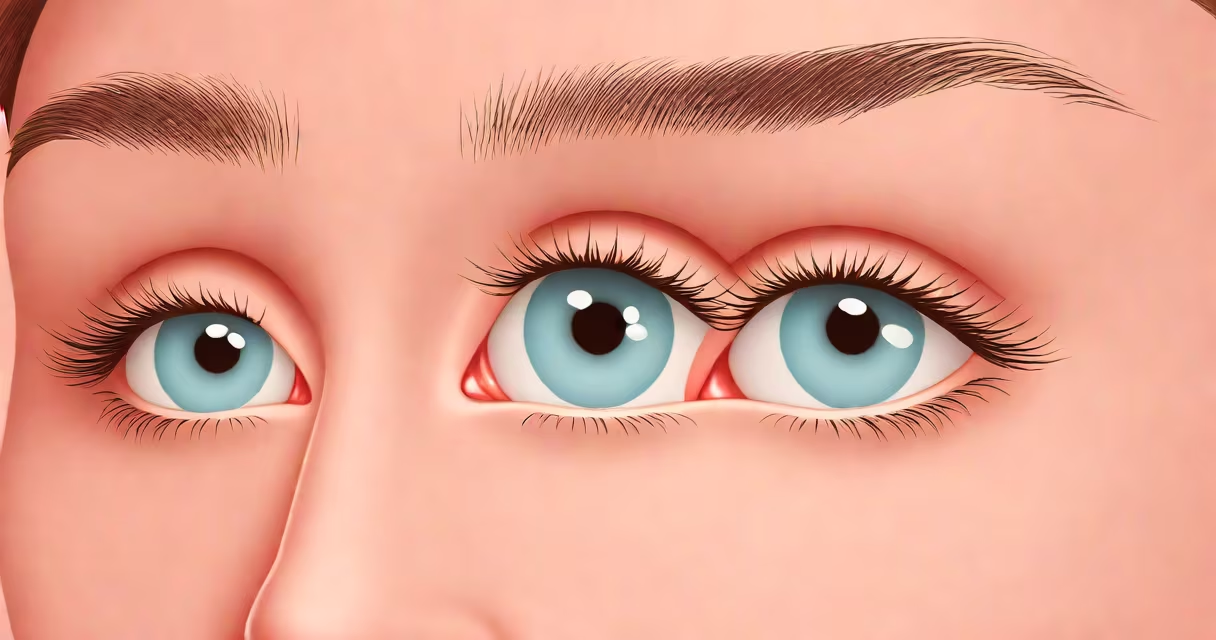
Puffy eye bags allergies result from an immune system overreaction to airborne or contact allergens, leading to fluid accumulation and inflammation around the eyes. This condition arises when histamine release increases blood vessel permeability, allowing fluid to leak into surrounding tissues.
When allergens such as pollen, dust mites, pet dander, or mold spores enter the body, the immune system identifies them as threats. Mast cells in the conjunctiva and skin around the eyes release histamine, triggering vasodilation and increased capillary permeability. This process draws fluid into the orbital tissues, resulting in visible puffiness, redness, and itching. The reaction typically affects both eyes symmetrically, distinguishing it from localized causes like trauma or infection.
According to the American Academy of Allergy, Asthma & Immunology (AAAAI), allergic conjunctivitis affects approximately 15-20% of people with seasonal allergies. Symptoms often peak during high pollen seasons and improve with allergen avoidance or antihistamine treatment. Puffiness may worsen with rubbing, which further irritates the delicate skin and increases vascular leakage.
The mechanism begins with allergen exposure. Pollen grains, for example, measure between 10 and 60 micrometers-small enough to penetrate nasal passages and reach the ocular surface. Once deposited on the conjunctiva, they bind to IgE antibodies on mast cells. This binding triggers degranulation, releasing histamine and other inflammatory mediators within minutes.
Within 15-30 minutes, patients report burning, itching, and watery eyes. Swelling appears rapidly due to plasma leakage into the subcutaneous space. The lower eyelid is most affected because gravity concentrates fluid in the dependent area. This explains why puffiness is often more pronounced upon waking, especially after sleeping with eyes closed, which traps fluid beneath the eyelid.
A study published in Journal of Allergy and Clinical Immunology found that 68% of participants with allergic conjunctivitis reported facial swelling, including periorbital edema, during peak allergy season. The swelling resolves within hours to days when allergens are removed and antihistamines are taken.
Several allergens cause puffy eye bags. The most frequent include:
| Allergen Type | Common Sources | Seasonal Pattern |
|---|---|---|
| Tree pollen | Maple, birch, oak | Spring |
| Grass pollen | Timothy, Bermuda, rye | Late spring to early summer |
| Weed pollen | Ragweed, sagebrush | Late summer to fall |
| Dust mites | Bedding, carpets, upholstery | Year-round |
| Pet dander | Cats, dogs, birds | Year-round |
Food-related allergies rarely cause isolated eye puffiness. When they do, symptoms usually appear within minutes and involve multiple systems-such as hives, nausea, or difficulty breathing. If eye swelling occurs with systemic signs, seek emergency care.
Non-allergic causes like crying, lack of sleep, or salt intake can mimic allergic puffiness. However, allergic swelling tends to be bilateral, accompanied by itching, and persists beyond 24 hours unless treated. A key differentiator is symptom timing: allergic reactions spike after outdoor exposure or during known allergy seasons.
Many assume puffy eye bags are solely due to fatigue or aging. While these factors contribute to volume loss and skin laxity, they don't explain sudden onset or associated itching. True allergic eye swelling develops quickly and responds to antihistamines.
Another misconception is that eye bags from allergies always require prescription medication. Over-the-counter antihistamine eye drops (like ketotifen) reduce symptoms in 70% of cases within 15 minutes, according to a 2022 clinical trial. Oral antihistamines such as loratadine or cetirizine also show significant improvement in 85% of users after one dose.
Some patients mistake allergic conjunctivitis for bacterial or viral pink eye. Unlike infections, allergic reactions don't produce purulent discharge. There's no crusting, and vision remains clear. If discharge is thick or yellow-green, consider infection rather than allergy.
Sarah, a 34-year-old teacher from Chicago, noticed her eyes swelled shut every morning during late April. She had no history of eye issues but reported sneezing, runny nose, and itchy eyes during this period. Her symptoms began after returning from a weekend hike in a wooded park.
She applied cold compresses and used over-the-counter antihistamine eye drops. Within 30 minutes, swelling reduced by half. Her doctor confirmed seasonal allergic conjunctivitis via skin prick testing, which showed positive reactions to ragweed and tree pollen. After avoiding outdoor activities during peak pollen times and using daily nasal corticosteroids, her symptoms resolved completely by mid-May.
This case illustrates how environmental triggers initiate immune responses. It also shows that early intervention prevents chronic inflammation. Delayed treatment can lead to persistent irritation and potential secondary dry eye syndrome.
See a healthcare provider if swelling lasts longer than 48 hours despite OTC treatment, spreads to the face or neck, or is accompanied by fever, pain, or vision changes. These signs suggest infection or autoimmune conditions like orbital cellulitis or Graves' ophthalmopathy.
For persistent cases, allergists recommend skin testing or blood tests (specific IgE) to identify exact triggers. Avoidance strategies, immunotherapy, or prescription eye drops may follow. The AAAI recommends starting preventive treatment two weeks before expected pollen peaks in your region.
Understanding puffy eye bags allergies allows faster relief and better management. Recognizing the role of histamine, identifying triggers, and acting early reduces discomfort and prevents complications.