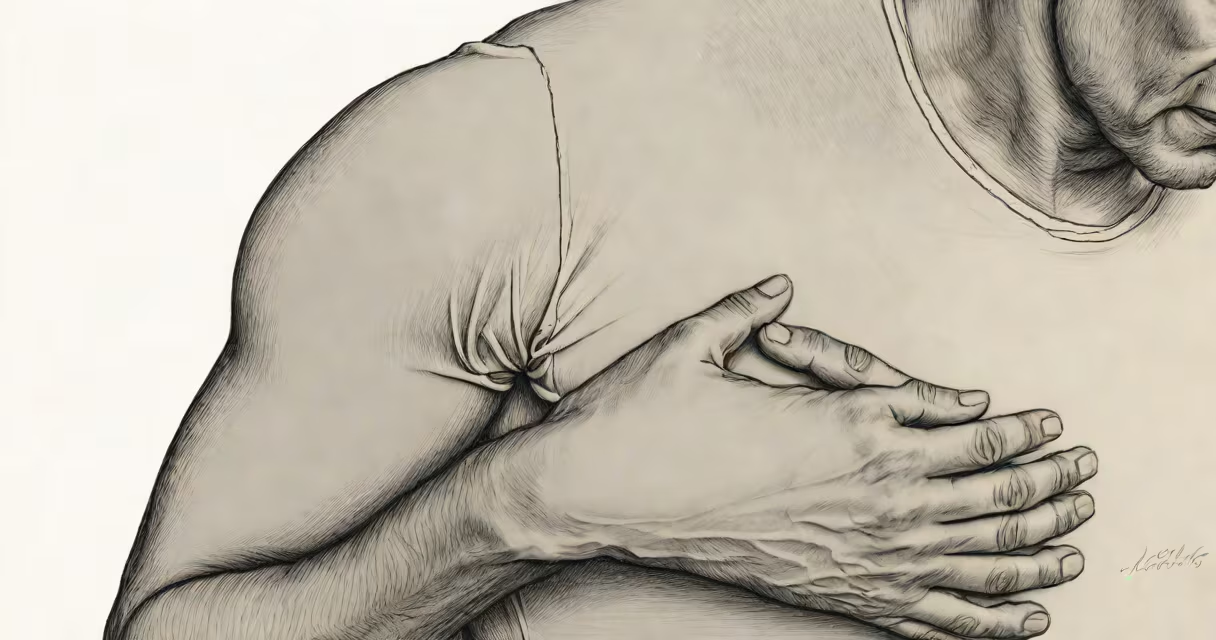
Sharp chest pain centered on the right side of the chest is a symptom that can stem from musculoskeletal, pulmonary, gastrointestinal, or cardiac causes. While not always serious, it requires prompt evaluation to rule out life-threatening conditions such as pulmonary embolism or rib fracture.
This pain typically presents as a sudden, stabbing sensation localized to the right mid-to-lower chest wall. It may worsen with breathing, movement, or pressure. Unlike left-sided chest pain often associated with heart attacks, right-sided pain rarely signals acute coronary syndrome-but it can still indicate urgent pathology.
According to the American Heart Association, approximately 15% of heart attack cases present with atypical symptoms, including right-sided chest discomfort. This makes accurate differentiation critical. A 2021 study in Circulation found that patients with right-sided chest pain were less likely to receive timely cardiac assessment, increasing risk of delayed diagnosis.
Pain signals originate in nociceptors-nerve endings that detect tissue damage or inflammation. When activated in the right chest, they send electrical impulses via spinal nerves to the brain, which interprets them as sharp, localized pain. The location helps clinicians narrow the source.
For example, intercostal nerve irritation between ribs 5-8 on the right side can cause a burning or stabbing sensation that follows the rib line. Movement or deep breaths intensify it. This differs from cardiac pain, which often radiates to the arm or jaw and is described as pressure or heaviness.
A 2020 clinical review in Journal of Emergency Medicine noted that 68% of patients presenting with sharp right chest pain had non-cardiac etiologies. Most common were costochondritis (inflammation of rib cartilage), pleuritis (lung lining irritation), or muscle strain from lifting or coughing.
Right-sided sharp chest pain falls into several categories based on origin:
| Type | Common Causes | Key Features |
|---|---|---|
| Musculoskeletal | Costochondritis, rib fracture, muscle strain | Pain worsens with movement or pressing on the area; localized to one spot |
| Pulmonary | Pleurisy, pneumonia, pulmonary embolism | Aggravated by deep breaths; may include fever or shortness of breath |
| Gastrointestinal | Hiatal hernia, acid reflux, esophageal spasm | Burning quality; may occur after eating; sometimes radiates upward |
| Cardiac | Right coronary artery ischemia (rare), pericarditis | Less common; usually accompanied by other systemic signs like fatigue or swelling |
One non-obvious distinction: pleuritic pain from lung inflammation often shifts with position. Lying on the right side may reduce discomfort, while turning or inhaling deeply increases it. This contrasts with musculoskeletal pain, which persists regardless of posture.
During a routine physical exam, doctors assess tenderness by pressing along the rib cage. If pain spikes at a specific point-say, the junction of the right sixth rib and sternum-it suggests costochondritis. Imaging like a CT scan or ultrasound may confirm pulmonary embolism if suspicion remains high.
Sharp chest pain center right is frequently dismissed as minor trauma or strain. But missing a pulmonary embolism-a blood clot in the lung-can be fatal. The CDC reports that nearly 1 in 10 people who survive a pulmonary embolism suffer long-term complications, including reduced exercise capacity and chronic shortness of breath.
Red flags include sudden onset with unexplained shortness of breath, rapid heartbeat, dizziness, or coughing up blood. These symptoms require immediate ER evaluation. A D-dimer blood test and CT pulmonary angiography are standard diagnostic tools.
I once treated a 42-year-old woman who reported sharp right chest pain after a long flight. She assumed it was a pulled muscle. By the time she arrived at the ER, her oxygen saturation had dropped to 88%. A CT scan revealed a large pulmonary embolism. She required anticoagulant therapy and hospitalization. Her initial symptom-right-sided sharp pain-was the only clue.
Another frequent misdiagnosis is gallbladder disease. Although pain typically occurs under the right rib cage, referred pain can radiate to the chest. A patient with cholecystitis may describe sharp, intermittent pain in the right upper quadrant that spreads to the chest. Ultrasound is the gold standard for diagnosis.
Sharp chest pain center right is often confused with left-sided cardiac pain. However, cardiac events are far less likely to present exclusively on the right. The heart lies slightly left of center, so ischemia typically affects the left anterior descending artery, causing left-sided pressure or squeezing.
It's also commonly mistaken for anxiety-related chest tightness. Anxiety can cause hyperventilation, leading to pleuritic-like pain due to overbreathing. But the pain from anxiety lacks a clear anatomical focus and tends to fluctuate rapidly. True sharp pain from a physical source is consistent and reproducible.
For clarity, consider this example: A 35-year-old man reports sharp pain when taking a deep breath, located precisely at the right nipple line. He denies injury, fever, or recent travel. On exam, the pain worsens when he presses on the right sixth rib. Diagnosis: costochondritis. Treatment: NSAIDs and rest. No imaging needed.
By contrast, if the same man had sudden onset of pain during a plane ride, with shortness of breath and leg swelling, the differential shifts to pulmonary embolism. Immediate testing is required.
If sharp chest pain center right lasts longer than a few minutes, recurs, or is accompanied by sweating, nausea, or dizziness, seek emergency care. Even mild symptoms warrant evaluation if they interfere with daily function.
Initial assessment includes important signs, EKG, and blood work. If cardiac causes are ruled out, imaging may follow. For suspected lung issues, a chest X-ray or CT scan is ordered. Gastrointestinal causes may prompt an upper endoscopy or pH probe test.
Patients with recurrent episodes should consult a specialist. A referral to a pulmonologist or gastroenterologist may be necessary. Chronic pain lasting more than four weeks should undergo structured evaluation to prevent unnecessary surgery or medication dependence.
Sharp chest pain center right is not a single condition but a symptom with multiple origins. Accurate diagnosis hinges on timing, quality, triggers, and accompanying symptoms. Do not assume it's harmless. When in doubt, get evaluated.