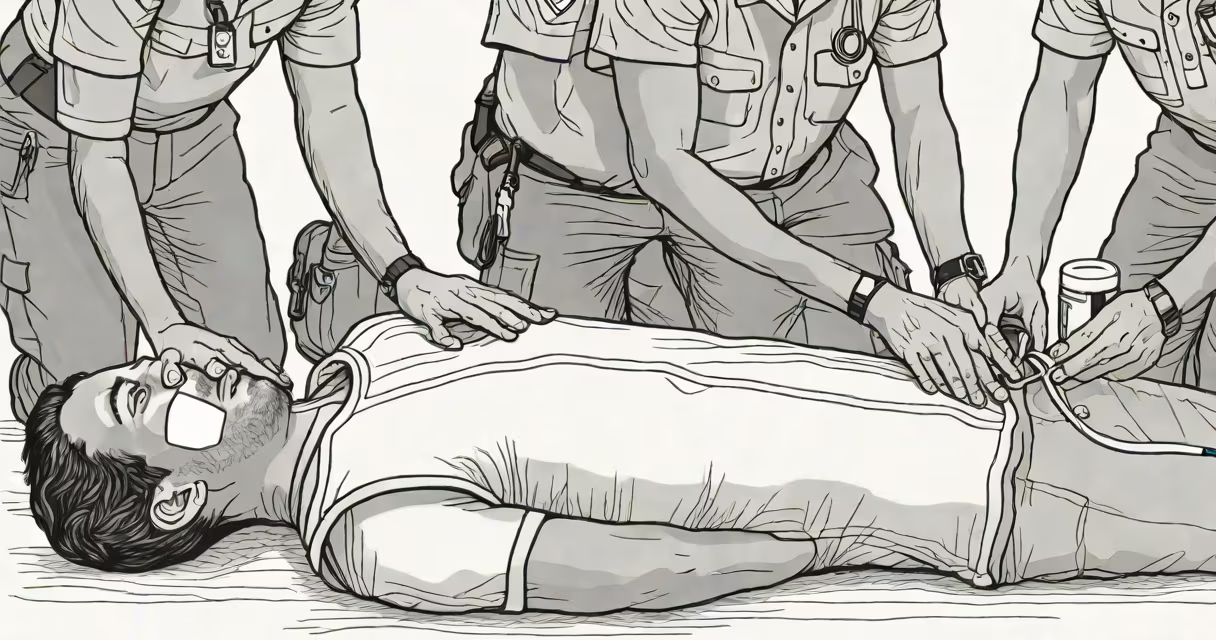
Reversible causes of cardiac arrest are specific medical conditions that, if recognized and treated promptly, can restore normal heart function after sudden cardiac collapse. These are not permanent or irreversible issues-they are time-sensitive emergencies requiring immediate intervention during advanced cardiac life support (ACLS).
Cardiac arrest occurs when the heart stops beating effectively, leading to loss of blood flow to important organs. While the heart may stop due to primary electrical problems like ventricular fibrillation, certain underlying conditions can trigger the arrest and be reversed with targeted therapy. Identifying these reversible factors is critical-studies show survival rates drop by 7-10% per minute without treatment.
The American Heart Association (AHA) outlines the "Hs and Ts" structure to categorize these causes. This system groups reversible conditions into eight categories: hypoxia, hypovolemia, hydrogen ion (acidosis), hyperkalemia/hypokalemia, hypothermia, tamponade (cardiac), tension pneumothorax, thrombosis (coronary or pulmonary), and toxins. Each condition disrupts cardiac function but responds to specific interventions.
These conditions don't cause arrest directly-they create a cascade that leads to electrical instability or mechanical failure. For example, severe hypoxia reduces oxygen delivery to myocardial tissue. Without oxygen, cells cannot produce ATP, disrupting ion pumps and causing arrhythmias. If oxygenation is restored quickly, the heart can resume pumping.
Similarly, tension pneumothorax traps air in the pleural space, increasing pressure and collapsing the lung. This compresses the vena cava, reducing venous return. The heart receives less blood, leading to low cardiac output and eventual arrest. A needle decompression-inserting a large-bore needle into the chest wall-can relieve pressure and restore circulation within minutes.
Each reversible cause follows a similar pattern: a physiological imbalance worsens until the heart fails. Early recognition and treatment interrupt this cycle. Emergency providers use clinical signs, rapid testing (like point-of-care ultrasound), and patient history to identify which H or T is responsible.
The following table lists the eight reversible causes, their mechanisms, and standard treatments.
| Category | Full Name | Key Mechanism | Treatment |
|---|---|---|---|
| H | Hypoxia | Low oxygen in blood | Supplemental oxygen, intubation, ventilation |
| H | Hypovolemia | Severe blood loss or dehydration | Blood transfusion, IV fluids |
| H | Hydrogen ion (Acidosis) | High acid levels impair contractility | Bicarbonate (controversial, used selectively) |
| H | Hyperkalemia/Hypokalemia | Abnormal potassium levels disrupt rhythm | Calcium gluconate, insulin-glucose infusion, sodium bicarbonate |
| H | Hypothermia | Core temperature below 32°C (90°F) | Active warming techniques, cardiopulmonary bypass if needed |
| T | Tamponade (Cardiac) | Fluid buildup around heart impairs filling | Pericardiocentesis (needle drainage) |
| T | Tension pneumothorax | Trapped air collapses lung and shifts mediastinum | Needle decompression, then chest tube |
| T | Thrombosis (coronary or pulmonary) | Clot blocks coronary artery or pulmonary artery | Thrombolytics (e.g., alteplase), PCI or embolectomy |
| T | Toxins | Drug overdose or poison exposure | Specific antidotes (e.g., naloxone for opioids), supportive care |
Not all causes are equally common. Hypovolemia and hypoxia are the most frequent reversible factors in out-of-hospital arrests. A 2021 study published in Circulation found that among 1,200 adult cardiac arrest cases, 41% had at least one reversible cause identified during resuscitation attempts.
One non-obvious fact: acidosis is often assumed to be a primary cause, but it's usually secondary. Treating acidosis with bicarbonate rarely improves outcomes and may worsen tissue perfusion. The AHA recommends focusing on correcting the root cause rather than administering bicarbonate unless severe metabolic acidosis is confirmed via arterial blood gas.
Many people assume cardiac arrest is always fatal or purely due to heart disease. That's incorrect. About 30-40% of cardiac arrests have a reversible cause, especially in younger patients or those with no known heart history.
Another confusion: some equate "reversible" with "rare." In reality, common conditions like sepsis, pulmonary embolism, or drug overdoses are frequent triggers. A 2022 review in Emergency Medicine Journal showed that over half of patients with reversible causes were misdiagnosed initially because providers focused on rhythm rather than context.
For example, a 34-year-old woman collapsed during a marathon. Initial ECG showed pulseless electrical activity (PEA). Paramedics gave epinephrine and started CPR. At the hospital, a CT scan revealed a massive pulmonary embolism. She received thrombolytic therapy and survived with full neurological recovery. Her arrest was caused by a reversible condition-pulmonary thrombosis-that required diagnosis beyond basic monitoring.
Time is the single biggest factor in survival. The window for effective intervention is narrow-typically under 10 minutes from collapse. After that, brain damage becomes irreversible.
During ACLS training, providers practice rapid assessment using the "ABCDE" approach: Airway, Breathing, Circulation, Disability, Exposure. This allows quick identification of reversible causes. For instance, if a patient has unequal breath sounds and distended neck veins, tension pneumothorax is suspected and treated immediately.
I once observed a code blue in a rural ER where a patient arrested after a car crash. The team noticed jugular venous distention and muffled heart sounds. They performed a needle decompression within 90 seconds. The patient regained a pulse and was stabilized. The cause-tension pneumothorax-was missed by the first responders but caught during the rapid evaluation phase.
When reversible causes are addressed early, survival rates improve dramatically. Data from the National Registry of Cardiopulmonary Resuscitation (NRCPR) shows that patients who receive treatment for a reversible cause have a 2.5 times higher chance of surviving to hospital discharge compared to those without.
Some conditions mimic reversible causes but are not treatable in the acute setting. Myocardial infarction with extensive necrosis, severe trauma with uncontrolled hemorrhage, or irreversible brain injury are not reversible. In these cases, efforts focus on palliation or organ donation if appropriate.
It's also important to distinguish between reversible causes and the initial rhythm. A patient may have ventricular fibrillation (VF)-a shockable rhythm-but if the underlying cause is untreated, defibrillation alone won't sustain return of spontaneous circulation (ROSC).
For example, a patient with severe hypovolemia may go into VF. Defibrillation restores rhythm temporarily, but without fluid resuscitation, the heart stops again. The AHA emphasizes treating the cause, not just the rhythm.
Understanding reversible causes of cardiac arrest is essential for healthcare professionals and lay rescuers alike. Recognizing signs like unequal breath sounds, low blood pressure, or altered mental status can prompt faster action.
Reversible causes of cardiac arrest are not theoretical-they are actionable. When identified and treated within minutes, they save lives. The goal is not just to restart the heart, but to fix the reason it stopped.