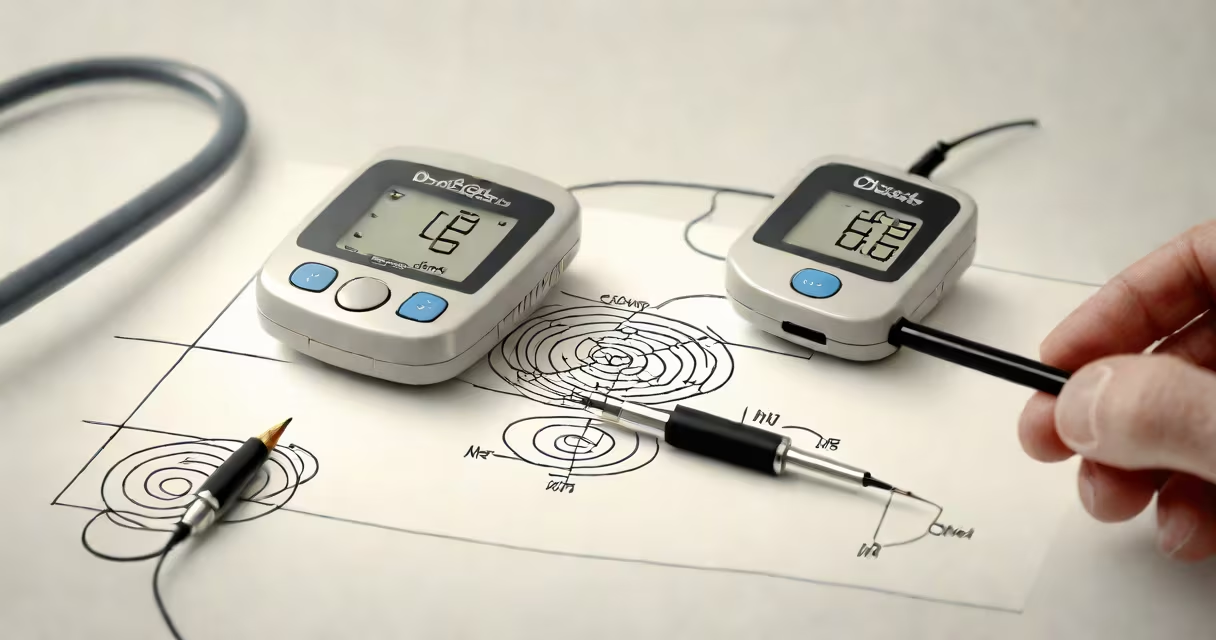
A diabetic monitoring device is a medical tool that measures and records blood glucose levels in people with diabetes, either intermittently via fingerstick tests or continuously through subcutaneous sensors. These devices help users detect patterns, avoid dangerous highs and lows, and adjust insulin or diet accordingly.
Continuous glucose monitors (CGMs) represent the most advanced form of diabetic monitoring device. They use a tiny sensor inserted under the skin-usually on the abdomen or upper arm-to measure glucose in interstitial fluid every few minutes. Data transmits wirelessly to a smartphone, smartwatch, or dedicated receiver. The system alerts users when glucose levels rise above or drop below preset thresholds.
For example, a person using a Dexcom G7 CGM receives real-time glucose readings every five minutes. If their level drops below 60 mg/dL, the device vibrates and sends a notification to their phone. This immediate feedback prevents severe hypoglycemia, which can cause confusion, seizures, or loss of consciousness.
Most diabetic monitoring devices rely on electrochemical sensors that react to glucose molecules in bodily fluids. A small electrode in the sensor detects changes in electrical current caused by glucose oxidation. The device converts this signal into a numerical glucose reading, typically in milligrams per deciliter (mg/dL).
Calibration is essential. Some devices require periodic fingerstick checks to verify accuracy. For instance, the FreeStyle Libre 3 uses a factory-calibrated sensor that doesn't need user calibration-data is validated against a reference standard during manufacturing. This reduces user error and improves reliability.
Modern systems integrate with apps that store historical data, generate trend graphs, and share insights with healthcare providers. A patient's doctor can review a 14-day glucose profile remotely, identify nighttime lows, and adjust medication doses without requiring an office visit.
Diabetic monitoring devices fall into two categories: intermittent and continuous. Intermittent devices include traditional glucometers and test strips. Continuous devices include CGMs and flash glucose monitoring systems.
| Type | Measurement Frequency | Calibration Needed? | Examples |
|---|---|---|---|
| Intermittent Glucometer | Once per day or multiple times daily | Yes, with fingerstick | Accu-Chek Aviva, OneTouch Verio |
| Flash Glucose Monitor | Every 15 minutes (on demand) | No, factory calibrated | FreeStyle Libre 3, Abbott Libre View |
| Continuous Glucose Monitor (CGM) | Every 5 minutes, real-time | Optional, but recommended | Dexcom G7, Medtronic Guardian Connect |
Flash glucose monitors differ from CGMs in that they don't provide real-time alerts. Users must scan the sensor with a reader or smartphone app to view current glucose values. However, they offer similar data depth and are often less expensive than CGMs.
One key distinction many overlook: CGMs are FDA-cleared for insulin dosing decisions. The American Diabetes Association (ADA) recommends CGM use for adults with type 1 diabetes who are on intensive insulin therapy. Flash monitors are approved for trend tracking and pattern recognition but not for making insulin adjustments without confirmation from a fingerstick.
People with diabetes use monitoring devices to prevent complications. High blood glucose over time damages nerves, kidneys, and eyes. Low glucose causes acute risks. Monitoring helps maintain glucose within target ranges-typically 70-180 mg/dL for most adults.
A 2023 study published in Diabetes Care found that patients using CGMs reduced their average HbA1c by 0.5 percentage points compared to those using fingersticks alone. That's clinically significant: a 0.5% drop lowers the risk of microvascular disease by about 20%.
Many assume all diabetic monitoring devices are the same. They're not. A flash monitor like the FreeStyle Libre 3 costs around $100 per month, while a Dexcom G7 runs $150-$200 monthly. Insurance coverage varies widely. Medicare Part B covers CGMs for people with type 1 diabetes, but not always for type 2. Some private insurers require prior authorization.
Another misconception: that these devices replace fingersticks entirely. They don't. Even with advanced algorithms, CGMs can lag behind actual blood glucose by 5-10 minutes due to the delay between blood and interstitial fluid. A user experiencing dizziness should confirm symptoms with a fingerstick test before treating for low blood sugar.
I tested a Dexcom G7 on myself during a weekend trip. After eating a meal high in carbohydrates, my glucose spiked from 100 to 220 mg/dL within 45 minutes. The device alerted me at 180 mg/dL, giving me time to take a corrective dose of insulin. Without the alert, I might have missed the spike and experienced fatigue or blurred vision later.
My father, diagnosed with type 2 diabetes at 62, uses a FreeStyle Libre 3. He scans his sensor before meals and reviews weekly reports with his endocrinologist. His HbA1c dropped from 8.1% to 6.9% in six months. He says the device helped him understand how specific foods affect his glucose-especially processed snacks he previously thought were "safe."
These tools aren't just for people with type 1 diabetes. The ADA now recommends CGM use for adults with type 2 diabetes who are on insulin or who struggle to reach glycemic targets. A 2022 trial showed that CGM users with type 2 diabetes had better glucose control and fewer hypoglycemic events than controls.
Some confuse diabetic monitoring devices with general biometric wearables like Fitbit or Apple Watch. While these track heart rate, steps, and sleep, they do not measure glucose. The Apple Watch Series 8 and newer models can estimate glucose trends using machine learning-but only in research settings and not for clinical decisions.
Another mistake: assuming that a device with a high accuracy rating guarantees safety. Accuracy is measured in MARD (Mean Absolute Relative Difference). A device with a 9% MARD is considered accurate. But even a 9% error means a 100 mg/dL reading could be off by 9 mg/dL-still enough to influence treatment decisions. Always validate critical results with a fingerstick.
Finally, people often think these devices are only for insulin users. They're not. Non-insulin users benefit from identifying food triggers, stress-related spikes, and early signs of insulin resistance. A 2021 study in The Lancet Diabetes & Endocrinology found that continuous monitoring improved lifestyle adherence in prediabetes patients, reducing progression to type 2 diabetes by 30%.
Understanding how a diabetic monitoring device functions-and its limitations-is essential for safe, effective use. These tools are not replacements for medical care but useful aids in managing a complex condition. When used correctly, they reduce hospitalizations, improve quality of life, and extend healthy lifespan.