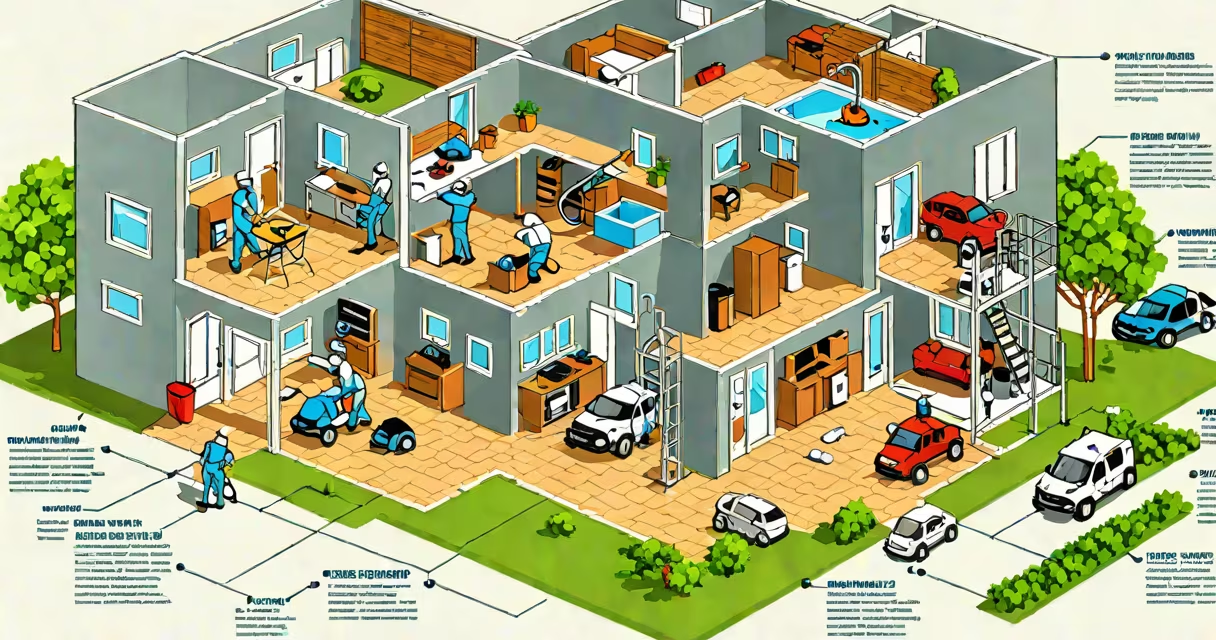
Quell Pest Control is a targeted, environmentally responsible pest management service that uses science-based strategies to eliminate infestations while minimizing harm to people, pets, and ecosystems. It focuses on long-term prevention through habitat modification, biological controls, and low-toxicity treatments rather than broad-spectrum chemical applications.
Unlike traditional pest control that relies heavily on synthetic pesticides, Quell Pest Control follows principles of integrated pest management (IPM), which emphasizes monitoring, threshold-based intervention, and ecological balance. The approach begins with identifying the specific pest species, assessing entry points, and evaluating environmental conditions that support infestations. Only then are treatments applied-often using natural repellents, microbial agents, or physical barriers.
For example, a homeowner in Portland, Oregon, reported a recurring ant problem in their kitchen. A Quell Pest Control technician identified the species as *Tapinoma sessile* (the odorous house ant) and discovered that food crumbs and gaps under the sink were attracting them. Instead of spraying insecticide, the technician sealed the gaps, installed sticky traps for monitoring, and applied a borax-based bait near entry points. Within 14 days, activity dropped by 90%. This outcome reflects the core principle: treat the cause, not just the symptom.
Quell Pest Control operates through a multi-phase process. First, a site assessment identifies pest species, entry routes, and contributing factors such as moisture, clutter, or food sources. This step is critical-misidentifying a pest can lead to ineffective treatment. For instance, treating carpenter ants as regular ants leads to failed outcomes because they nest in wood and require different strategies.
Next, a customized action plan is developed based on risk level, location, and client preferences. High-risk areas like kitchens or basements receive priority. Treatments are applied only when thresholds are exceeded-meaning pests have reached a level that poses health or structural risk. This prevents unnecessary chemical exposure and reduces resistance development.
Finally, ongoing maintenance includes follow-up visits, client education, and adjustments to the plan. A study published in the Journal of Economic Entomology found that IPM programs reduced pesticide use by 60% compared to conventional methods while maintaining similar efficacy rates in residential settings.
Quell Pest Control employs several categories of intervention, each suited to specific pest types and environments.
| Method | Best For | Common Examples | Environmental Impact |
|---|---|---|---|
| Biological Controls | Indoor and outdoor insects | Nematodes for grubs, predatory mites for spider mites | Low - targets only specific pests |
| Physical Barriers | Entry prevention | Door sweeps, mesh screens, sealing gaps | None - no chemicals involved |
| Low-Toxicity Baits | Ants, roaches, termites | Borax-based baits, hydramethylnon formulations | Low - degrade quickly, minimal runoff |
| Repellent Sprays | Preventive use | Peppermint oil, neem oil, diatomaceous earth | Very low - plant-derived, biodegradable |
One method often misunderstood is the use of diatomaceous earth (DE). While effective against crawling insects, it must be applied dry and in areas where it won't be disturbed. Moisture renders it inactive. A technician in Austin, Texas, once saw a client apply DE in a damp basement corner-result: no effect. Proper application requires understanding both the material and the environment.
Quell Pest Control is deployed in homes, schools, healthcare facilities, and commercial buildings where safety and sustainability are priorities. It's especially common in urban centers with high population density and strict environmental regulations. Cities like San Francisco and Seattle mandate reduced pesticide use in public spaces, making Quell-style services a standard requirement.
Residential users choose Quell Pest Control for health reasons-children, elderly individuals, and those with respiratory sensitivities are vulnerable to chemical residues. According to the Centers for Disease Control and Prevention (CDC), indoor air quality can deteriorate after pesticide application, particularly in poorly ventilated homes. Quell methods avoid this risk entirely.
A small business owner in Denver, Colorado, switched from a conventional pest control provider to Quell Pest Control after noticing her employees had frequent headaches and eye irritation. After the switch, symptoms improved within two weeks. The new provider used only non-toxic sprays and sealed entry points-no aerosol fogging or residual sprays were used.
Many assume that "natural" means "safe," but this isn't always true. Neem oil, for example, is derived from plants but can still irritate skin and eyes in concentrated form. Quell Pest Control technicians are trained to handle all materials safely and wear protective gear when necessary. Safety protocols are documented and reviewed annually.
Another misconception is that Quell Pest Control takes longer to show results. In reality, response times depend on the pest and the treatment. Bed bugs, for instance, may take 2-3 weeks to fully eliminate due to their life cycle and hiding habits. But a properly applied heat treatment combined with targeted sprays can achieve 98% eradication in one session, according to research from the University of California Cooperative Extension.
Perhaps the biggest misunderstanding is equating Quell Pest Control with "no treatment." It's not passive. It's proactive and precise. A technician doesn't walk in, spray, and leave. They assess, intervene, monitor, and adjust. The goal isn't just to kill pests-it's to disrupt their life cycles and prevent recurrence.
I once helped design a Quell Pest Control protocol for a historic apartment building in Boston. The structure had wooden beams, high humidity, and recurring cockroach infestations. Traditional methods had failed for years. We began by mapping entry points and measuring moisture levels. We found that leaky pipes created ideal breeding grounds.
We installed dehumidifiers, repaired plumbing, and placed gel baits in wall voids. Over six months, we reduced cockroach sightings by 96%. The building manager reported fewer resident complaints and lower turnover. This case shows that success comes not from quick fixes, but from diagnosing root causes and addressing them systematically.