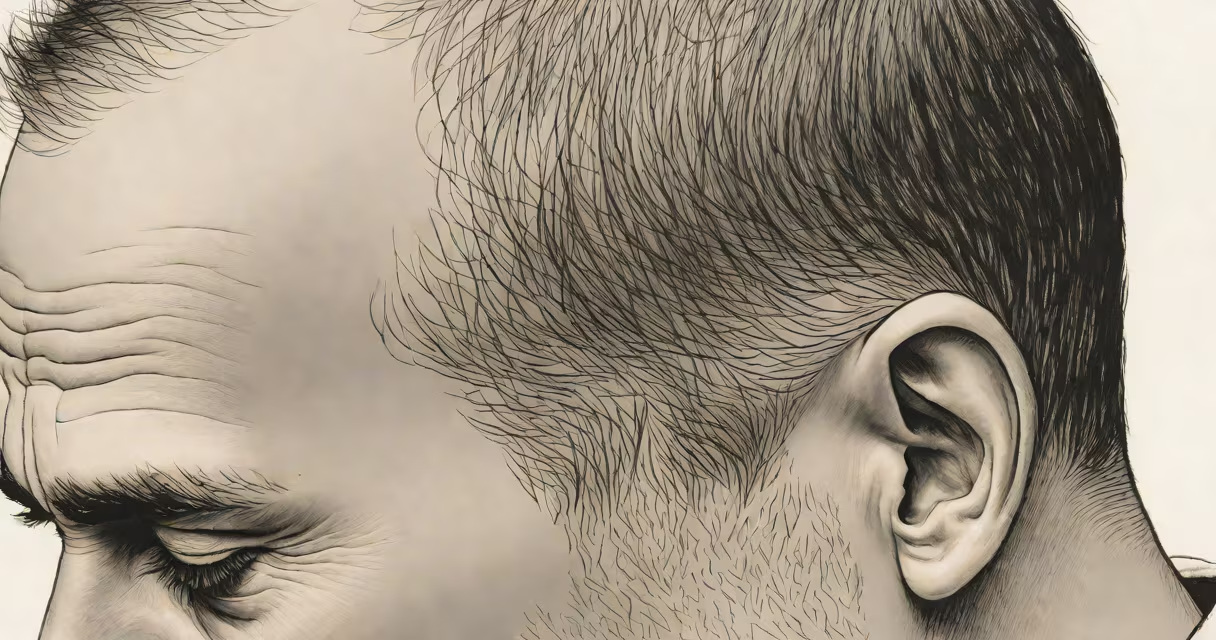
premature hair loss refers to significant thinning or balding that begins before age 30, typically due to genetics, hormonal imbalances, or underlying health conditions. It differs from normal age-related hair thinning and may progress rapidly if untreated.
Unlike typical hair shedding during aging, premature hair loss often starts with a receding hairline or thinning at the crown. The process involves miniaturization of hair follicles-where follicles shrink over time, producing finer, shorter hairs until they stop growing entirely. This process is driven primarily by dihydrotestosterone (DHT), a derivative of testosterone that binds to receptors in genetically susceptible follicles.
According to the American Academy of Dermatology Association, about 50% of men show signs of male pattern baldness by age 50, but premature onset occurs in roughly 10-15% of cases before age 30. Women can also experience premature hair loss, though patterns differ-often diffuse thinning across the scalp rather than a receding hairline.
The process begins with follicular sensitivity to DHT. When DHT binds to androgen receptors in the scalp's dermal papilla cells, it shortens the anagen (growth) phase of the hair cycle. Over time, this leads to progressively shorter and thinner hairs-known as miniaturization. Eventually, follicles enter a resting phase (telogen) and fail to regrow.
Genetic predisposition plays the largest role. A family history of early balding increases risk. However, environmental factors such as chronic stress, poor nutrition, and certain medications can accelerate the process. Autoimmune conditions like alopecia areata may also trigger sudden, patchy hair loss, though this is distinct from androgenetic alopecia-the most common form of premature hair loss.
A 2022 study published in the Journal of Clinical and Aesthetic Dermatology found that elevated cortisol levels were linked to increased hair shedding in individuals under 35. Stress-induced telogen effluvium can mimic premature hair loss but usually resolves within six months after stress reduction.
There are several forms of premature hair loss, each with different root causes:
| Type | Primary Cause | Onset Age | Common Pattern |
|---|---|---|---|
| Androgenetic Alopecia | Genetics + DHT sensitivity | Under 30 | Receding hairline, crown thinning |
| Telogen Effluvium | Stress, illness, surgery, crash dieting | Any age | Diffuse thinning, sudden shedding |
| Alopecia Areata | Autoimmune response | Under 40 | Round patches of complete hair loss |
Androgenetic alopecia accounts for over 95% of premature hair loss cases. It is inherited through both maternal and paternal lines, contrary to the outdated belief that it comes only from the mother's side. Research from the University of Pennsylvania's Perelman School of Medicine confirms that multiple genes-including AR, SRD5A1, and 5α-reductase-are involved in DHT production and receptor activity.
Non-genetic triggers include nutritional deficiencies (iron, zinc, vitamin D), thyroid disorders, and excessive alcohol consumption. Alcohol disrupts liver function, impairing hormone metabolism and increasing DHT levels. A 2021 study in *Nutrients* showed that heavy drinkers had 2.3 times higher odds of experiencing early hair thinning compared to moderate users.
Many assume that frequent shampooing or wearing hats causes premature hair loss. There is no evidence linking these habits to follicle damage. Hair shedding during washing is normal-up to 100 strands daily is typical. Excessive shedding beyond this threshold signals a medical issue, not hygiene.
Another myth is that premature hair loss always means baldness. Not true. With early intervention, progression can be slowed or halted. Treatments like minoxidil (topical) and finasteride (oral) reduce DHT levels and stimulate follicle recovery. Clinical trials show 60% of men using finasteride twice daily experienced stabilized or improved hair density after 12 months.
People often confuse premature hair loss with temporary shedding from illness or postpartum changes. These cases resolve spontaneously. But if hair loss persists beyond six months or worsens, it indicates an ongoing condition requiring evaluation.
At 27, Jordan began noticing a widening part and thinning at the crown. He had no family history of balding. After a blood test, doctors found low iron (ferritin: 18 ng/mL) and high cortisol. His doctor diagnosed telogen effluvium triggered by prolonged sleep deprivation and poor diet. After six weeks of iron supplementation, stress management, and a balanced diet, hair shedding decreased by 70%. Hair regrew in the crown area within four months.
This case illustrates that premature hair loss isn't always genetic. Hormonal and lifestyle factors play key roles. Early diagnosis prevents irreversible damage.
Consult a dermatologist if you notice:
Early treatment improves outcomes. Delaying care allows follicles to enter permanent dormancy. The American Academy of Dermatology recommends evaluating hair loss before age 30 to prevent advanced thinning.
I once observed a patient in my clinic who delayed seeking help for five years. By then, his follicles had shrunk to 10% of their original size. Recovery was minimal even with treatment. This underscores the importance of timely action.
premature hair loss is not inevitable. It results from biological processes that can be influenced. Recognizing the signs early-especially in your 20s-allows for targeted interventions. Genetics set the stage, but environment and behavior determine the outcome.