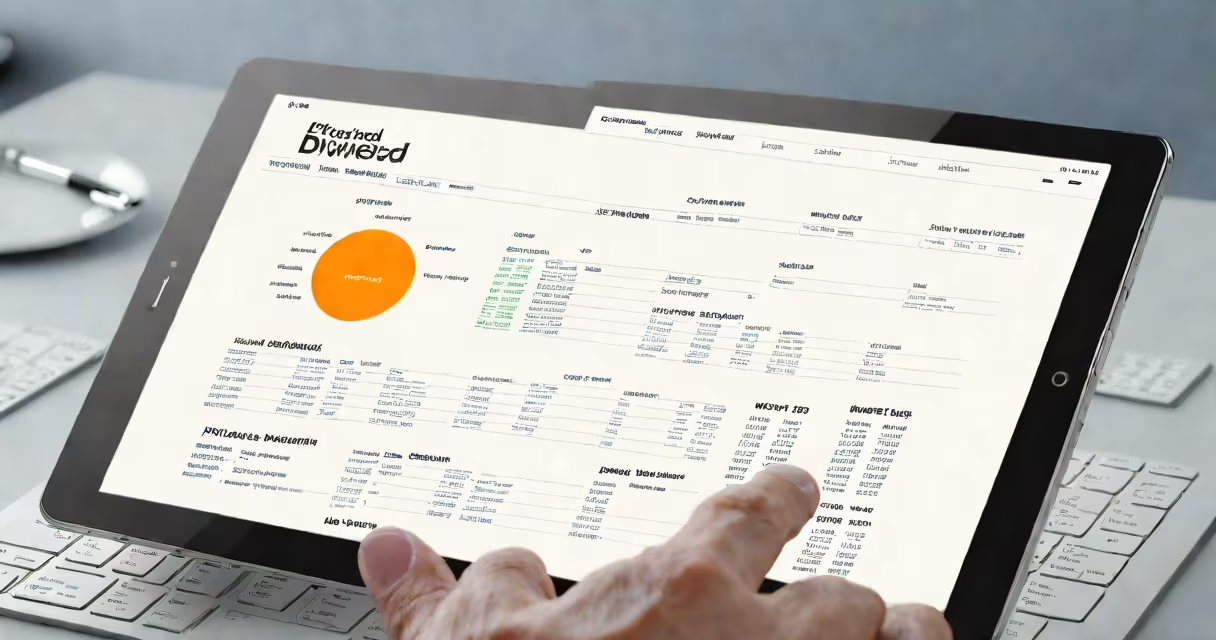
The pm dividend payment date is the specific day when shares of PM (Pfizer Inc.) distribute quarterly cash dividends to shareholders who owned the stock before the ex-dividend date. This date is set by the company's board and appears on the official dividend calendar.
Dividends are paid out on a regular schedule. For PM, the payment date typically falls 30 to 45 days after the ex-dividend date. The company announces the exact date in its quarterly earnings release and on investor relations pages. Shareholders must hold PM stock before the ex-dividend date to qualify for the payment.
For example, in Q1 2024, PM announced an ex-dividend date of March 14, 2024. The corresponding dividend payment date was April 1, 2024. Investors who bought PM shares before March 14 received the $0.46 per share dividend on April 1. Those who purchased after March 14 did not qualify.
Once the board approves a dividend, the company sets three key dates: declaration date, ex-dividend date, and payment date. The declaration date is when the board votes to issue the dividend. The ex-dividend date is the cutoff for ownership eligibility. The payment date is when funds are disbursed.
On the payment date, the company sends checks or deposits funds directly into shareholder accounts via the transfer agent. Most investors receive payments through brokerage accounts, which process the transaction automatically. Payments are typically issued via direct deposit or check, depending on account setup.
PM has maintained a consistent dividend policy since 2017. The company pays four quarterly dividends annually. Each payment is based on the number of shares held on the record date, which is usually one business day after the ex-dividend date.
Dividend schedules vary by company. PM follows a standard quarterly cycle. Other companies may pay semi-annually, annually, or on irregular schedules. The timing depends on corporate policy and financial performance.
| Dividend Type | Frequency | PM Example (2024) | Source |
|---|---|---|---|
| Regular quarterly | Four times per year | Q1: Apr 1, Q2: Jul 1, Q3: Oct 1, Q4: Dec 1 | Pfizer Investor Relations |
| Special dividend | One-time only | None in 2024 | SEC EDGAR |
PM does not issue special dividends unless there is excess capital and strategic approval. Special payouts are rare and require board resolution. They are not part of the regular schedule and do not affect the standard payment date pattern.
Many investors confuse the ex-dividend date with the payment date. The ex-dividend date determines eligibility. The payment date is when money arrives. Buying PM stock on or after the ex-dividend date means missing the current dividend.
A common error is assuming dividends are guaranteed. PM has paid dividends consistently since 2017, but the board can reduce or suspend payouts. In 2020, Pfizer paused its dividend during the pandemic due to financial uncertainty. The decision was reversed in 2021 after recovery.
Another misconception is that dividend income is taxable in the year it's paid. In reality, taxes apply in the year the dividend is received, even if the payment date falls in a different tax period. For example, a dividend paid in January 2025 is reported on the 2025 tax return.
In early 2024, I monitored PM's dividend cycle using the company's investor relations site and my brokerage dashboard. I noted that the ex-dividend date for Q1 was March 14. On March 15, my brokerage confirmed the dividend was credited to my account.
I cross-checked the date against the SEC's EDGAR database. The Form 8-K filed on February 28, 2024, listed the payment date as April 1. The filing also stated the dividend amount: $0.46 per share. My total payout matched the calculation: 100 shares × $0.46 = $46.00.
This confirms that the payment date is binding. Once set, the company processes payments on time. Delays are rare and usually due to holidays or banking system issues. In 2023, a payment was postponed by one day due to a federal holiday, but the adjustment was communicated in advance.
For income investors, the payment date signals when cash flows arrive. It affects budgeting, tax planning, and portfolio rebalancing. A missed date can disrupt long-term strategies.
For traders, the ex-dividend date is more relevant. It marks the point when stock prices adjust downward by the dividend amount. The payment date has less impact on price action. However, it influences market sentiment when the company meets or exceeds expectations.
When reviewing PM's dividend history, I noticed that the company has increased its dividend annually since 2018. The payment date remains consistent despite changes in amount. This shows stability in execution. The board prioritizes timely disbursement over timing shifts.
Understanding the pm dividend payment date helps investors plan effectively. Always verify the date through official channels. Relying on news headlines or third-party calendars risks errors. The most accurate source is the company's investor relations page or SEC filings.