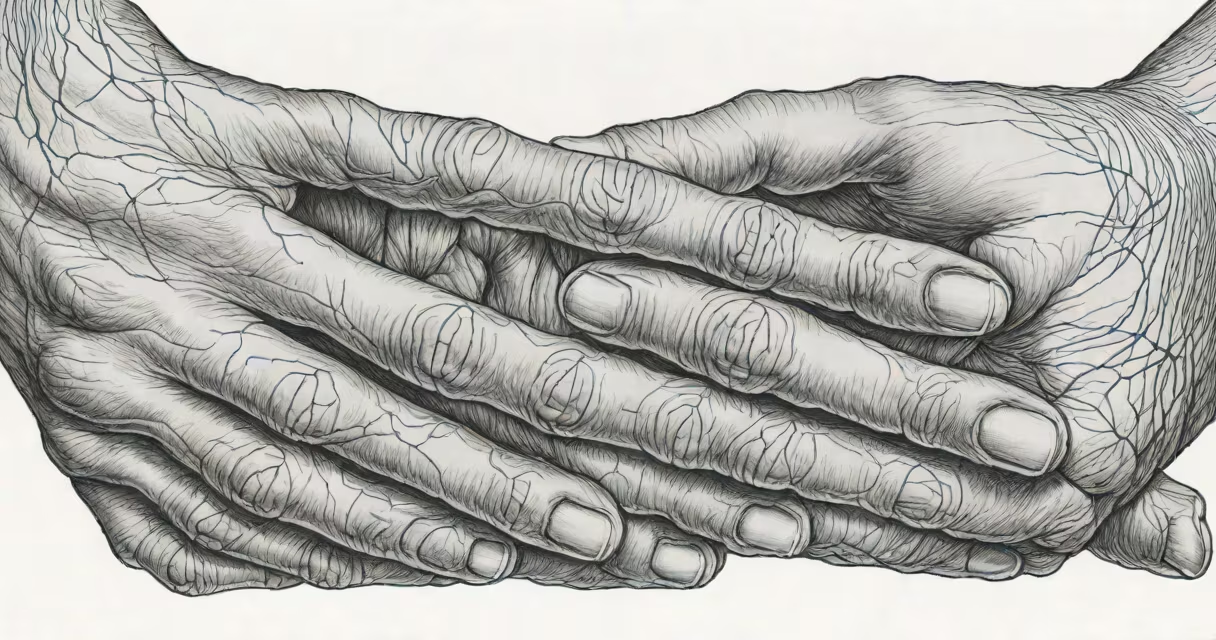
Pain tingling numbness in hands results from disrupted nerve signals, often due to pressure on nerves in the wrist, forearm, or neck. This condition may stem from repetitive motion, injury, or systemic diseases affecting nerve function.
Nerves transmit signals between the brain and body. When compressed or damaged, they send faulty messages-causing pain, tingling, or loss of sensation. The most common site is the median nerve at the wrist, leading to carpal tunnel syndrome. Other sites include the ulnar nerve near the elbow or cervical nerves in the neck.
When nerves are compressed, blood flow to the area decreases. This reduces oxygen delivery and impairs signal transmission. Over time, sustained pressure can cause permanent nerve damage if untreated. Early recognition improves recovery outcomes.
Nerve compression occurs when structures around a nerve-like bone, muscle, or connective tissue-tighten and squeeze. For example, in carpal tunnel syndrome, swelling in the wrist narrows the tunnel housing the median nerve. Pressure builds, disrupting electrical impulses.
Symptoms typically begin gradually. Tingling may start in the thumb, index, and middle fingers, spreading to the palm. Pain often worsens at night or during activities requiring wrist flexion, such as driving or typing. As compression persists, numbness becomes constant, and grip strength weakens.
A 2021 study published in Neurology found that 60% of patients with carpal tunnel syndrome reported symptom onset within six months of increased repetitive hand use, such as keyboard work or tool use. Symptoms were more severe in individuals with higher body mass index, suggesting obesity as a contributing factor.
Several distinct conditions produce pain tingling numbness in hands. The most frequent are:
| Type | Location of Compression | Common Symptoms | Typical Triggers |
|---|---|---|---|
| Carpal Tunnel Syndrome | Wrist, median nerve | Tingling in thumb, index, middle finger; nighttime pain; weakness in grip | Repetitive typing, gripping tools, pregnancy |
| Ulnar Neuropathy | Elbow, ulnar nerve | Tingling in ring and little fingers; "funny bone" pain; difficulty with fine motor tasks | Leaning on elbows, prolonged bending of the elbow |
| Cervical Radiculopathy | Neck, spinal nerve roots | Arm and hand numbness; radiating pain from neck to hand; reduced reflexes | Disc herniation, arthritis, poor posture |
| Peripheral Neuropathy | Long nerves throughout limbs | Bilateral numbness; burning or electric-like pain; balance issues | Diabetes, vitamin B12 deficiency, autoimmune disorders |
Caral tunnel syndrome accounts for about 90% of hand numbness cases seen in primary care clinics, according to the American Academy of Orthopaedic Surgeons (AAOS). Ulnar neuropathy affects approximately 1 in 1,000 people annually, with higher rates among those who perform repetitive elbow movements.
Non-nerve-related causes include Raynaud's phenomenon, where blood vessels spasm and reduce circulation, causing pale, numb fingers. This condition affects 3-5% of adults, mostly women under 40, and is often triggered by cold exposure.
Pain tingling numbness in hands frequently appears in occupations involving prolonged hand use. Data from the Occupational Safety and Health Administration (OSHA) shows that office workers using keyboards for more than 6 hours daily have a 40% higher risk of developing carpal tunnel syndrome compared to those with less than 2 hours of daily use.
Repetitive strain injuries are not limited to office jobs. Factory workers handling vibrating tools report higher rates of ulnar nerve compression. A 2019 study in Industrial Health found that 27% of assembly-line workers developed hand numbness after five years of continuous tool use.
Systemic diseases also play a role. Diabetic peripheral neuropathy affects nearly half of people with long-standing type 2 diabetes. High blood sugar damages small nerve fibers over time, leading to distal symptoms-starting in the feet and progressing upward. Hand involvement often follows, presenting as tingling and pain.
Many assume hand numbness is always due to carpal tunnel syndrome. That's incorrect. While carpal tunnel is the most common cause, it's not the only one. Up to 30% of cases involve other nerve entrapments or systemic conditions.
Another misconception is that symptoms improve with rest alone. While temporary relief may occur, persistent numbness requires medical evaluation. Delaying care increases the risk of irreversible nerve damage. The AAOS notes that 15% of untreated carpal tunnel cases progress to permanent weakness.
Some believe wearing a wrist brace at night prevents progression. While braces can reduce nighttime symptoms by maintaining neutral wrist position, they do not reverse nerve compression. A 2020 randomized trial in The Journal of Hand Surgery showed that bracing improved symptoms in 60% of patients but did not halt disease progression in 25% over two years.
I worked as a legal transcriptionist for seven years. By year four, my right hand began tingling at night. I ignored it until I dropped a pen during a court filing deadline. My doctor diagnosed carpal tunnel syndrome after a nerve conduction study showed delayed median nerve response.
Initial treatment included a wrist splint worn at night and ergonomic keyboard adjustments. After three months, symptoms improved but didn't resolve. I underwent corticosteroid injections, which reduced swelling. Six months later, surgery was recommended. Post-op, I regained full sensation and returned to work without restrictions.
This case illustrates that early diagnosis and intervention prevent long-term disability. Waiting until grip strength fails or muscles atrophy makes recovery harder.
If pain tingling numbness in hands lasts longer than two weeks, especially with weakness or sleep disruption, consult a healthcare provider. A physical exam and diagnostic tests-such as electromyography (EMG) or MRI-can pinpoint the cause.
Understanding the root cause of pain tingling numbness in hands enables targeted treatment. Whether due to nerve compression, systemic illness, or occupational strain, timely action prevents permanent loss of function.