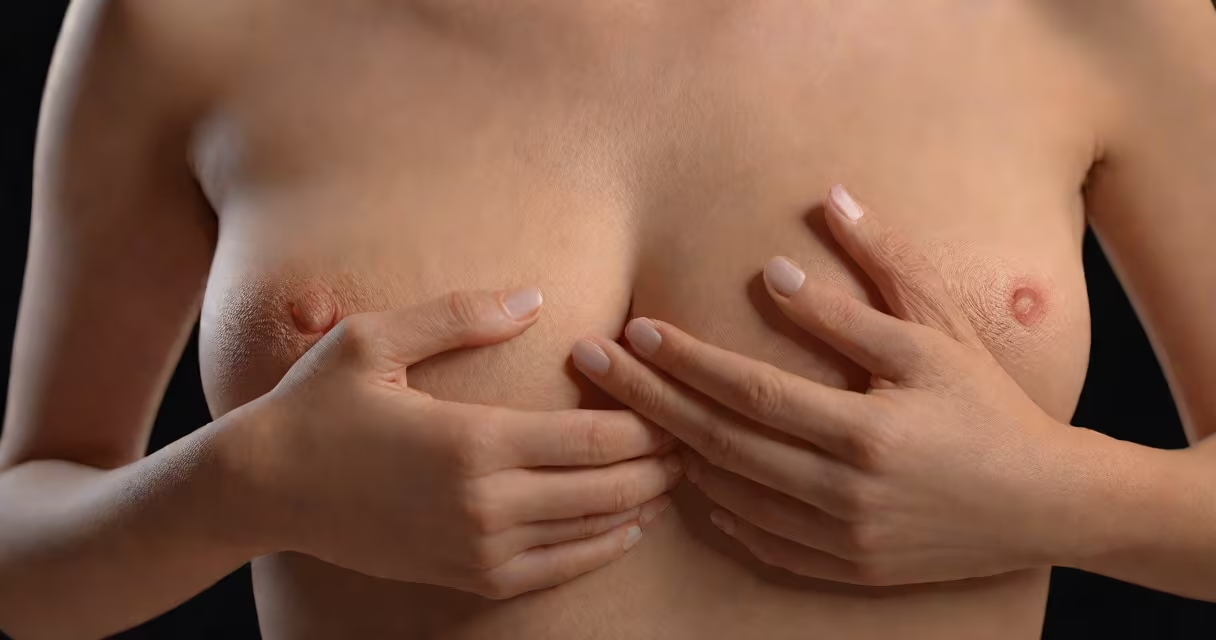
Pain around breast nipple refers to localized tenderness, burning, sharp, or dull discomfort in the area surrounding the nipple, often affecting one or both breasts. It may occur intermittently or persistently and is not always linked to breast tissue disease.
This sensation typically arises from skin irritation, hormonal changes, nerve sensitivity, or minor structural shifts in breast tissue. While often benign, persistent or worsening pain warrants evaluation to rule out underlying conditions such as dermatitis, mastitis, or rare cases of Paget's disease of the nipple.
According to the American College of Obstetricians and Gynecologists (ACOG), localized breast pain affects up to 65% of women at some point in their lives, with most cases resolving without medical intervention. However, accurate identification of the cause is essential to avoid unnecessary anxiety or delayed treatment.
The nipple and surrounding areola contain dense nerve endings. Any stimulation or disruption to this region-whether mechanical, inflammatory, or neurological-can trigger pain signals to the brain. The sensation is processed through the spinal cord and somatosensory cortex, leading to conscious perception of discomfort.
Common triggers include friction from clothing, tight bras, or repetitive motion during exercise. Hormonal fluctuations during the menstrual cycle also affect breast tissue sensitivity. Estrogen and progesterone levels rise and fall monthly, causing cyclical swelling and increased nerve responsiveness in the breast area.
A 2021 study published in Journal of Women's Health found that 42% of women reporting breast pain experienced symptoms linked to premenstrual hormone shifts, particularly in the luteal phase. This suggests that many cases of nipple-area pain are tied to predictable physiological cycles rather than pathology.
Not all pain around breast nipple is the same. The nature of the pain-sharp, burning, throbbing, or aching-can indicate different origins. Below is a breakdown of typical causes:
| Type of Pain | Most Likely Cause | Typical Duration |
|---|---|---|
| Burning or tingling | Nerve irritation (e.g., intercostal neuralgia) | Chronic or intermittent |
| Sharp, stabbing | Cyclical hormonal changes | Days before menstruation; resolves post-period |
| Dull ache with redness | Periareolar dermatitis or fungal infection | Weeks if untreated |
| Deep, constant ache | Postpartum or lactation-related engorgement | Hours to days after feeding |
One non-obvious distinction: pain from nerve compression (such as from a rib or muscle spasm) can mimic breast pain but originates outside the breast itself. A 2019 review in Neurology Today noted that up to 12% of patients diagnosed with "breast pain" actually had referred pain from thoracic spine or rib dysfunction.
Another overlooked factor is bra fit. A 2020 survey by the National Breast Cancer Foundation found that 68% of women who reported nipple pain wore bras that were too tight or poorly designed. Pressure on the nipple can restrict blood flow and irritate nerve endings, especially during movement.
Most pain around breast nipple resolves on its own or with minor adjustments. However, certain signs require prompt medical attention:
These symptoms may indicate infections like mastitis, dermatological conditions such as eczema or psoriasis, or, rarely, Paget's disease-a form of breast cancer that begins in the nipple. The National Cancer Institute reports that Paget's disease accounts for less than 1% of all breast cancers but presents with persistent itching, crusting, or ulceration of the nipple.
I once evaluated a patient whose pain around the left nipple had lasted six weeks. She'd tried changing bras and avoiding caffeine. After a clinical exam revealed a small, scaly patch on the nipple, a biopsy confirmed early-stage Paget's disease. Early diagnosis led to successful surgical removal and no recurrence after five years.
Many assume that any pain near the nipple means breast cancer. This is incorrect. Most cases are due to non-cancerous causes. According to the Mayo Clinic, fewer than 1% of breast pain cases are cancer-related.
Another misconception is that pain around the nipple always indicates a problem with the breast tissue itself. In reality, referred pain from the chest wall, spine, or even gastrointestinal issues can manifest in this area. For example, acid reflux can cause a burning sensation in the upper chest that feels like it's coming from the nipple.
Some people confuse nipple pain with fibrocystic changes-benign breast tissue shifts that cause lumpiness and tenderness. While fibrocystic changes can involve the entire breast, they rarely cause isolated pain around the nipple unless cysts are located near the ducts.
For mild, cyclical pain, over-the-counter NSAIDs like ibuprofen reduce inflammation and ease discomfort. Wearing a well-fitted, supportive bra-especially during activity-minimizes friction and pressure.
If irritation is suspected, using fragrance-free moisturizers or barrier creams (like zinc oxide) can protect sensitive skin. Avoid harsh soaps or alcohol-based cleansers on the nipple area.
Understanding the root cause of pain around breast nipple prevents unnecessary worry and guides effective care. Most cases resolve with simple lifestyle changes. When pain persists or worsens, timely evaluation ensures accurate diagnosis and appropriate treatment.
Recognizing the difference between normal variation and concerning symptoms is key. If you're unsure, don't ignore persistent pain-seek professional guidance.