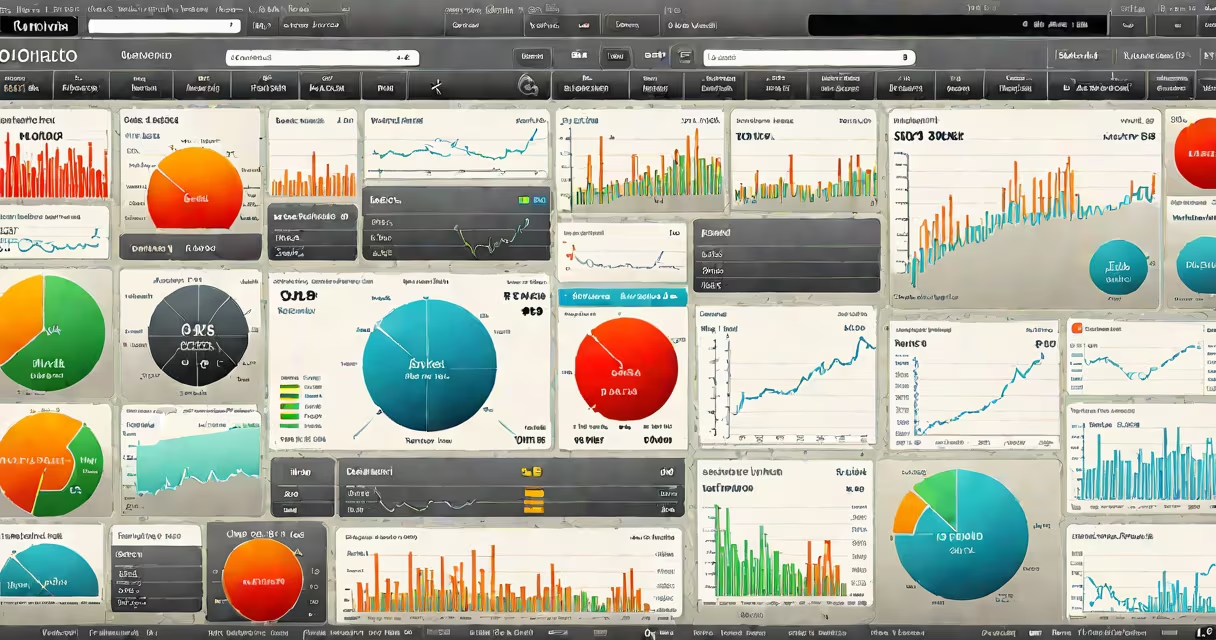
An option trading application is a software platform that allows investors to execute trades in stock options contracts, access real-time market data, analyze risk, and manage portfolios. These tools run on desktop computers, mobile devices, or web browsers and integrate directly with brokerage accounts.
These applications differ from basic stock trading platforms by offering advanced features tailored to options strategies such as spreads, straddles, and iron condors. They display implied volatility, Greeks (delta, gamma, theta, vega), and probability-based analytics essential for informed decision-making.
For example, think of an investor using a platform like Thinkorswim or Interactive Brokers' Trader Workstation. They enter a trade to sell a covered call on Apple stock. The application calculates the maximum profit, break-even point, and probability of assignment based on current volatility and time decay. This level of detail separates professional-grade tools from retail-only interfaces.
When a trader places an order through an option trading application, the system sends the request to an exchange via a direct market access (DMA) connection. Orders are matched automatically against other participants' bids and asks. The application updates the position in real time, showing changes in value due to price movement, time decay, or shifts in implied volatility.
Behind the scenes, the application uses market data feeds from exchanges like CBOE or NASDAQ. These feeds deliver tick-by-tick updates on bid/ask prices, volume, and open interest. The software processes this data and displays it in charts, heat maps, and tables optimized for speed and clarity.
Applications also support algorithmic trading. A user can set up a rule-based strategy-such as "sell a put when the VIX exceeds 20 and the underlying stock drops 3%"-and the system executes it automatically when conditions are met. This functionality reduces emotional bias and improves consistency in execution.
Option trading applications fall into three broad categories based on complexity and intended user:
| Type | Best For | Key Features | Examples |
|---|---|---|---|
| Basic Retail Platforms | Beginners, occasional traders | Simple order entry, basic charts, limited strategy templates | Fidelity, Charles Schwab Mobile |
| Intermediate Tools | Active traders, part-time investors | Advanced charting, paper trading, alerts, basic Greeks | TD Ameritrade Thinkorswim, Webull Pro |
| Professional-Grade Systems | Full-time traders, institutional users | Direct market access, custom scripting, real-time risk modeling, API integration | Interactive Brokers Trader Workstation, NinjaTrader, MetaTrader 5 (with options modules) |
One key distinction often missed is that not all applications provide equal access to order book depth. Some retail platforms aggregate data and show only the top five levels of liquidity. Professional systems expose the full order book, including hidden orders and iceberg orders, which matters when placing large trades without moving the market.
Another non-obvious feature is the ability to simulate complex strategies under stress scenarios. For instance, a platform may allow you to test how a long straddle performs during a 5% market drop and a 20-point spike in implied volatility. This simulation capability is rare in free apps but standard in paid versions.
Many users assume that all option trading applications offer the same level of analytical power. That's false. A free mobile app may show expiration dates and strike prices but lack changing margin calculations or real-time delta hedging suggestions. Without proper risk metrics, traders can unintentionally take on excessive use.
Another confusion arises around "free" versus "premium" access. While many platforms advertise free trading, they often charge higher fees for advanced features. For example, a platform might offer free options quotes but charge $1 per contract for execution. Users who don't read the fine print can face unexpected costs.
A third misconception is that the application itself guarantees profitability. No software can predict market direction. The best tools reduce friction and improve decision quality-but outcomes depend on the user's strategy, risk tolerance, and discipline. As noted by the CBOE Futures Exchange, 70% of options expire worthless, regardless of the platform used.
In 2023, a retail trader used Thinkorswim to implement a short iron condor on SPY (an ETF tracking the S&P 500). The trader selected strikes at 460 and 480 for puts and calls, respectively, with a 10-day expiration. The application displayed a max profit of $120 per contract and a 68% chance of success based on historical volatility and current skew.
During the holding period, the trader monitored the position's daily P&L and adjusted the stop-loss threshold. When the underlying dropped below 470, the system triggered a warning. The trader closed half the position early to lock in gains. By expiration, the trade ended in profit, netting $85 per contract after fees.
This outcome wasn't luck-it was enabled by the application's integrated risk engine, real-time monitoring, and alert system. The same trade executed manually through a basic broker app would have lacked these safeguards.
Option trading applications are used by individual investors, hedge funds, market makers, and proprietary trading firms. They're essential for managing directional bets, hedging existing equity positions, and generating income through premium collection.
For example, a portfolio manager might use an application to hedge a $1 million tech stock holding by buying out-of-the-money puts. The tool calculates the optimal strike and expiration, estimates the cost, and simulates the impact on portfolio volatility. This prevents over-hedging and preserves capital.
Traders also rely on these tools during high-volatility events. During the 2020 market crash, options volume spiked 300% above average. Traders using platforms with real-time order routing and latency optimization were able to exit losing positions faster than those relying on delayed data or manual entry.
According to the SEC's 2022 Market Structure Report, 68% of all options trades now occur through electronic platforms rather than floor-based exchanges. This shift underscores the central role of option trading applications in modern markets.
Not all applications are created equal. Look for ones that offer direct access to multiple exchanges, low-latency data, and transparent fee structures. Avoid platforms that hide execution details or fail to report fill times and prices.
Also verify whether the application supports paper trading. This feature lets you test strategies in real market conditions without risking capital. It's especially useful for learning complex strategies like calendar spreads or butterfly spreads.
I once spent six weeks testing three different platforms before choosing one for my personal account. The difference between a 50-millisecond delay and a 300-millisecond delay became clear during a flash crash event. The faster platform executed my stop-loss orders correctly; the slower one missed the window entirely.
An option trading application is not a substitute for education. But when paired with sound risk management and continuous learning, it becomes a useful tool for going through the complexities of derivatives trading.