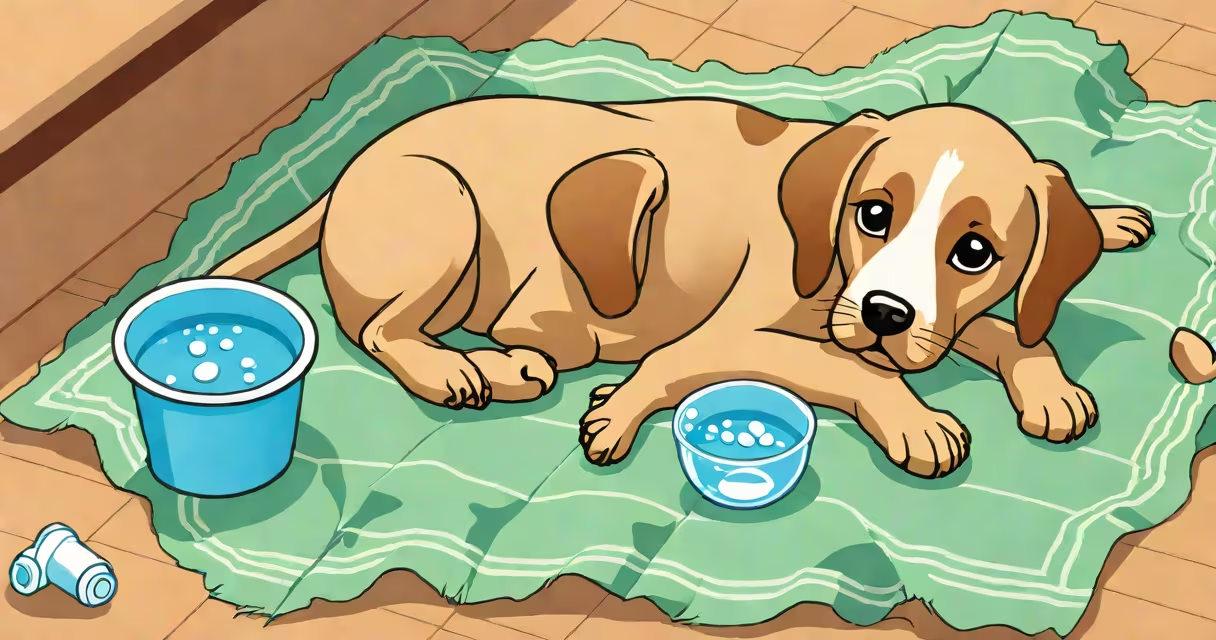
When your puppy throws up and has diarrhea, it's a sign of acute gastrointestinal distress, often caused by infections, parasites, dietary indiscretion, or toxins. This combination of symptoms requires prompt attention because dehydration and systemic infection can develop rapidly in young dogs.
Puppies have underdeveloped immune systems and small bodies, making them vulnerable to rapid decline. A single episode of vomiting and diarrhea may resolve within 24 hours with rest and hydration, but persistent or severe symptoms indicate a medical issue requiring professional evaluation.
According to the American Kennel Club, vomiting and diarrhea in puppies occur in up to 30% of cases seen by veterinarians during the first six months of life. Early intervention reduces complications such as hypoglycemia, sepsis, and organ failure.
The gastrointestinal tract reacts to irritants by increasing motility and fluid secretion-this causes diarrhea. Vomiting results from stimulation of the vomiting center in the brainstem, triggered by inflammation, toxins, or distension in the stomach or intestines.
When both processes happen together, the body loses fluids, electrolytes, and nutrients quickly. A 6-week-old puppy weighing 3 pounds can lose 10% of its body weight in fluids within 12 hours of continuous vomiting and diarrhea. That level of dehydration impairs kidney function and increases risk of shock.
For example, a 4-pound Yorkshire Terrier puppy developed lethargy, projectile vomiting, and watery diarrhea after eating a piece of chocolate left on the kitchen counter. Within 8 hours, the puppy showed signs of dehydration-sunken eyes, dry gums, and slow skin elasticity. Blood tests confirmed elevated liver enzymes and low blood sugar. The puppy required IV fluids and hospitalization for 48 hours.
Several distinct causes explain why a puppy might throw up and have diarrhea. The most frequent include:
Parvovirus remains a leading cause of fatal gastrointestinal illness in unvaccinated puppies. It attacks the intestinal lining, causing severe vomiting, bloody diarrhea, and rapid dehydration. Survival rates drop below 50% without aggressive treatment.
According to the Centers for Disease Control and Prevention (CDC), parvovirus spreads through fecal-oral transmission and can survive in soil for over a year. Puppies between 6 weeks and 6 months are most at risk.
Many owners assume that mild vomiting and diarrhea are normal "tummy bugs" that will pass. This belief delays care and increases risk. While occasional loose stools can result from dietary changes, persistent vomiting and diarrhea are not normal in puppies.
Another misconception is that fasting for 12-24 hours helps. Fasting may worsen hypoglycemia in small breed puppies. Instead, offering small amounts of easily digestible food like boiled chicken and rice can support recovery when tolerated.
A key distinction: vomiting with bile (yellow or green fluid) suggests the stomach is empty and the issue is in the small intestine. Vomiting undigested food points to gastric issues. Diarrhea with mucus or blood indicates colonic or intestinal inflammation.
Seek immediate veterinary care if your puppy shows any of these red flags:
| Symptom | Why It Matters |
|---|---|
| Vomiting more than twice in 24 hours | Indicates ongoing irritation or obstruction. |
| Diarrhea lasting longer than 12 hours | Increases risk of dehydration and electrolyte imbalance. |
| Blood in vomit or stool | Signals ulceration, infection, or toxin exposure. |
| Lethargy or collapse | May indicate sepsis or shock. |
| Temperature above 103°F (39.4°C) | High fever suggests systemic infection. |
I once treated a 10-week-old Dachshund who had been vomiting and having diarrhea for 18 hours. The owner initially gave the puppy water and bland food. By the time we saw her, she was dehydrated, had a rectal temperature of 104.2°F, and was unable to stand. She tested positive for parvovirus. After 72 hours of IV therapy, antibiotics, and supportive care, she recovered-but only because she arrived early.
Keep your puppy hydrated. Offer small amounts of water or an oral rehydration solution every 15 minutes. Avoid milk or dairy products-they can worsen diarrhea.
Withhold solid food for 6-12 hours if vomiting persists. Then introduce a bland diet: 1 part boiled lean ground turkey or chicken to 2 parts cooked white rice. Feed small portions every 2-3 hours.
Do not administer human medications like Pepto-Bismol or Imodium unless directed by a vet. These can be toxic to dogs, especially small breeds.
Early recognition of my puppy is throwing up and has diarrhea improves outcomes. Monitor closely, act fast, and trust your vet's guidance. Your puppy's survival often depends on the first 24 hours of care.