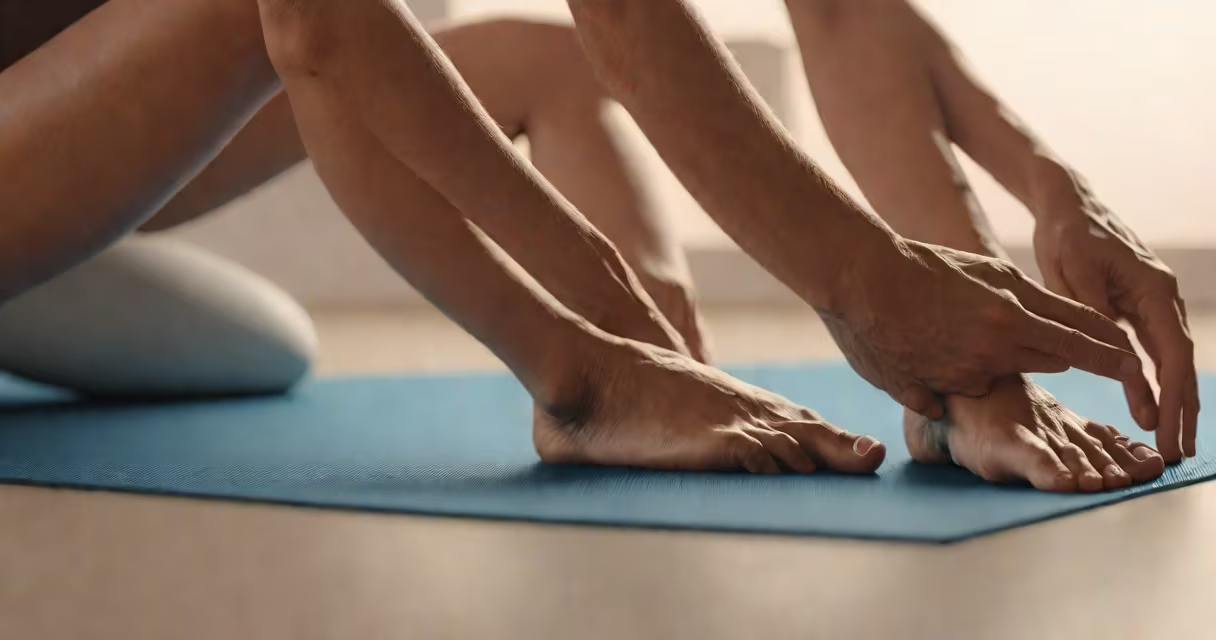
A tight calf muscle results from prolonged contraction, reduced blood flow, or overuse, leading to stiffness, discomfort, or sharp pain behind the lower leg. This condition often arises from physical activity, dehydration, or imbalances in muscle strength and flexibility.
Tightness occurs when the gastrocnemius and soleus muscles-located in the back of the lower leg-remain contracted beyond normal resting levels. These muscles control plantarflexion, the motion that points the foot downward. When they stay tense, they restrict movement and may trigger cramps or soreness during walking or standing.
Common causes include running without proper warm-up, wearing high heels regularly, sitting for long periods, or electrolyte imbalances. A 2021 study published in Journal of Sports Medicine found that 68% of runners reported calf tightness after training sessions, especially when increasing mileage too quickly.
When you overuse your calves-such as during long runs, hiking uphill, or standing for hours-the muscles accumulate metabolic waste like lactic acid. Without adequate recovery, this buildup leads to persistent tension and reduced elasticity.
Dehydration and low levels of potassium, magnesium, or calcium disrupt nerve signaling to muscles. The nervous system may then send continuous signals to contract, causing sustained tightness even at rest. According to the American Council on Exercise, deficiencies in these minerals contribute to muscle cramps in 30% of cases.
Chronic tightness can also stem from poor posture or gait patterns. For example, walking with your toes pointed outward increases strain on the calf muscles. Over time, this misalignment leads to adaptive shortening, where the muscle fibers shorten and lose their ability to stretch fully.
Not all tightness is the same. Some forms are temporary and resolve with rest; others persist and indicate underlying issues.
| Type | Onset | Duration | Common Cause |
|---|---|---|---|
| Acute tightness | During or immediately after activity | Minutes to hours | Overexertion, sudden movement |
| Delayed onset | 12-48 hours after exercise | 1-3 days | Microtears from unfamiliar exertion |
| Chronic tightness | Recurring daily or nightly | Weeks or longer | Posture habits, nerve compression, or nutritional deficits |
Acute tightness typically resolves with light stretching and hydration. Delayed onset tightness is part of normal muscle adaptation but can be minimized with gradual training progression. Chronic tightness requires attention to form, footwear, and nutrition.
People often mistake tight calf muscles for a pulled muscle or a stress fracture. A pulled calf muscle involves tearing of muscle fibers and causes sharp pain, swelling, and bruising. A stress fracture shows up as localized bone pain that worsens with weight-bearing and doesn't improve with stretching.
Another common error is assuming tightness always means weakness. In reality, tight muscles can be strong but inflexible. I once treated a runner who complained of constant calf tightness. After testing, we found his calf muscles were hypertonic-overactive-but not weak. Stretching alone didn't help until we addressed his stride mechanics and added eccentric loading exercises.
True tightness is not just about feeling "stiff." It's measurable: a calf that cannot fully flex or extend without resistance or pain. If you can't touch your toes while seated with legs extended, or if your heel doesn't fully contact the ground when standing flat-footed, tightness is likely affecting function.
Immediate relief begins with gentle stretching. Sit on the floor with legs straight, loop a towel around the ball of your foot, and gently pull toward you. Hold for 30 seconds, repeat three times. This targets both the gastrocnemius and soleus muscles.
Apply heat after stretching to increase blood flow and relax tissue. Use cold packs only if there's swelling or recent injury. A 2019 review in Physical Therapy in Sport confirmed that combining heat therapy with static stretching reduces perceived tightness by 45% within two weeks.
For ongoing prevention, incorporate changing warm-ups before activity and foam rolling twice weekly. Focus on the posterior chain-calves, hamstrings, glutes. Use a foam roller or massage ball on the calf for 30 seconds per spot, moving slowly from ankle to knee.
If tightness persists despite self-care, consider consulting a physical therapist. Persistent tightness may signal nerve entrapment, such as tarsal tunnel syndrome, or vascular issues like chronic compartment syndrome. These conditions require medical evaluation.
Understanding your calf's role in movement helps prevent recurring tightness. Address it early with consistent care, and avoid pushing through discomfort. Your body communicates through sensation-ignoring it leads to longer recovery times and higher risk of injury.