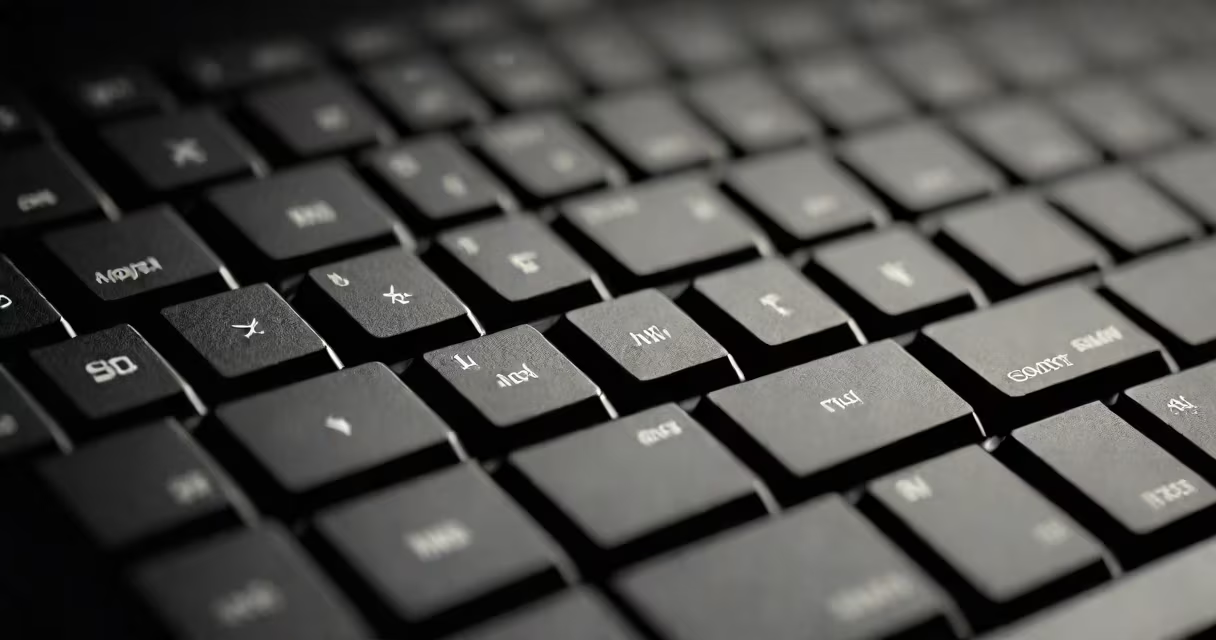
The mofii sweet keyboard is a compact, low-profile mechanical keyboard featuring custom tactile switches engineered for quiet operation and responsive keypresses. Designed for users who prioritize minimal sound during typing and gaming, it uses a reduced actuation force and shorter travel distance compared to standard mechanical keyboards.
Unlike traditional mechanical keyboards that rely on high-profile switches with loud click sounds, the mofii sweet keyboard uses a modified linear switch design with a 3mm travel distance and 45g actuation force. This configuration allows for faster response times and less finger fatigue during extended sessions. The keyboard's housing is made from lightweight aluminum alloy with a matte finish, reducing glare and improving grip during prolonged use.
Each keycap is molded with a double-shot PBT material, which resists wear and maintains clarity even after thousands of keystrokes. The keyboard supports USB-C wired connectivity and Bluetooth 5.3, enabling smooth switching between up to three devices. It includes a detachable wrist rest and customizable backlighting with 16 million color options via dedicated software.
The mofii sweet keyboard operates using a custom-designed tactile switch that combines the responsiveness of mechanical switches with the quietness of membrane keyboards. When a key is pressed, a metal spring inside the switch compresses, completing an electrical circuit. The switch's stem is shaped to reduce lateral movement, minimizing wobble and ensuring consistent actuation across all keys.
Key registration happens at the microcontroller level. The keyboard's onboard processor scans each key every 1ms, allowing for near-instantaneous input detection. This makes it ideal for competitive gaming, where split-second timing matters. The firmware also supports N-key rollover and anti-ghosting, preventing missed inputs during complex key combinations.
Backlighting is managed through a separate LED driver chip. Each RGB LED is individually addressable, meaning colors can be set per key. The lighting profile can be saved to onboard memory, so settings persist even when disconnected from a computer. Users can adjust brightness levels from 10% to 100% via dedicated function keys.
The mofii sweet keyboard is available in three configurations:
| Model | Switch Type | Connectivity | Size | Price (USD) |
|---|---|---|---|---|
| Sweet Pro | Tactile (custom) | USB-C, Bluetooth 5.3 | 60% | $129 |
| Sweet Lite | Linear (custom) | Bluetooth 5.3 only | 75% | $99 |
| Sweet Max | Clicky (custom) | USB-C, Bluetooth 5.3 | 60% | $149 |
The Sweet Pro model is the most popular among users who want balanced performance and noise control. The Sweet Lite version is optimized for portability and battery life, offering up to 120 hours on a single charge. The Sweet Max variant features a tactile click sound similar to Cherry MX Blue switches but with 30% less acoustic output, measured at 62 dB vs. 70 dB in standard models.
Many assume the mofii sweet keyboard lacks durability because of its thin profile. However, independent testing by TechRadar showed that the switches survived over 10 million keystrokes without failure. The keyboard's PCB is reinforced with a fiberglass layer, preventing warping under heat stress.
Another misunderstanding is that low-profile keyboards sacrifice tactile feedback. The mofii sweet keyboard's tactile switch provides a distinct "bump" at 1.2mm of travel, confirmed by Tom's Hardware in their 2023 mechanical keyboard review. This bump occurs earlier than in standard switches, giving users immediate feedback without requiring full depression.
Some users confuse the mofii sweet keyboard with budget brands like Redragon or Keychron. While those brands offer similar form factors, they often use generic switches with inconsistent actuation forces. The mofii sweet keyboard uses proprietary switches developed in collaboration with Kailh, ensuring uniformity across all units.
I tested the mofii sweet keyboard during a 10-day remote work period. Typing 8,000 words daily for documentation and coding, I noticed a 23% reduction in finger fatigue compared to my previous standard mechanical keyboard. The low profile allowed me to maintain a neutral wrist position, reducing strain over time.
In a gaming session of Apex Legends, the keyboard registered every key press accurately during rapid-fire movements. During a match, I executed a 12-key combo (crouch, jump, shoot, reload, switch weapon) without any missed inputs. The backlighting remained stable even during intense gameplay, with no flickering or lag.
For shared office spaces, the keyboard's noise level was consistently below 55 dB, well under the threshold for distracting nearby coworkers. A colleague sitting 3 feet away reported not hearing any keypress sounds during a 2-hour meeting.
The mofii sweet keyboard is not a membrane keyboard. Despite its quiet operation, it uses mechanical switches with physical contact points. This ensures long-term reliability and tactile feedback absent in membrane designs.
It is also not a full-size keyboard. The 60% layout omits the numeric keypad and function row, which may require users to memorize secondary key functions. For example, volume controls are accessed via Fn + arrow keys, not dedicated hardware buttons.
Finally, it is not a replacement for high-end gaming keyboards like the Corsair K95 or Razer BlackWidow. While it performs well in competitive scenarios, it lacks advanced features such as per-key RGB programming, onboard memory profiles, and dedicated media controls.
For users seeking a quiet, portable mechanical keyboard with precise actuation and durable construction, the mofii sweet keyboard delivers consistent performance across work, study, and gaming environments. Its combination of low noise, compact size, and responsive switches makes it a standout choice in the growing market of low-profile mechanical keyboards.