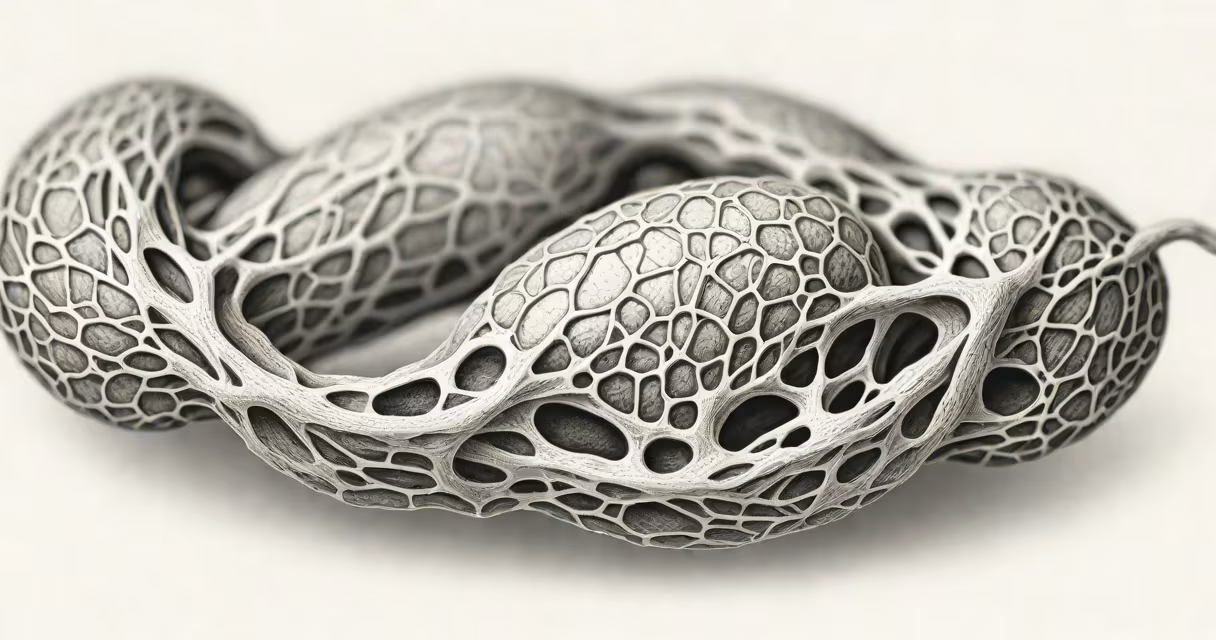
Lymph nodes are small, bean-shaped organs distributed throughout the body that act as critical checkpoints in the immune system. They filter lymph fluid, trap foreign particles like bacteria and viruses, and activate immune cells to mount targeted responses. Found in clusters along lymphatic vessels, they are essential for detecting and responding to infections, cancer, and inflammation.
When pathogens enter the body through cuts, mucous membranes, or insect bites, lymph fluid carrying them flows toward regional lymph nodes. Inside the node, specialized immune cells-such as dendritic cells, B cells, and T cells-scan the fluid for antigens. If a threat is detected, B cells produce antibodies, and T cells initiate cell-mediated immunity. This process often causes temporary swelling, which is a sign the node is actively fighting infection.
Most people encounter swollen lymph nodes during common illnesses like colds or strep throat. The nodes in the neck, armpits, and groin are most frequently affected. However, persistent swelling-lasting more than two weeks-or hard, immovable nodes may indicate a more serious condition, such as lymphoma or metastatic cancer. Early evaluation by a healthcare provider is important when symptoms don't resolve.
Lymph nodes function as biological filters. Lymph fluid enters via afferent vessels and passes through sinuses lined with macrophages and dendritic cells. These cells engulf and degrade debris, pathogens, and abnormal cells. As the fluid exits through efferent vessels, it's cleaner. The node's internal architecture includes germinal centers where B cells proliferate and mature, enabling rapid antibody production.
Immune activation occurs when antigen-presenting cells deliver captured pathogens to T cells within the node's paracortex. Activated T cells then migrate to sites of infection to coordinate defense. This localized response prevents systemic spread of pathogens. A single node can process up to 100 liters of lymph per day, highlighting their high-volume filtering capacity.
For example, during a streptococcal throat infection, the cervical lymph nodes (located in the neck) typically swell within 24-48 hours. This swelling is due to increased immune cell activity and fluid accumulation. The node becomes tender and palpable-a physical sign the body is responding to threat. Once the infection resolves, the node usually returns to normal size.
Lymph nodes are grouped by anatomical region. Major clusters include:
| Location | Common Function | Associated Conditions |
|---|---|---|
| Cervical (neck) | Filter head and neck pathogens | Strep throat, mononucleosis, viral upper respiratory infections |
| Axillary (armpit) | Drain upper limb and breast tissue | Infections, breast cancer spread, reactions to vaccines |
| Inguinal (groin) | Process lower limb and genital area fluid | Sexually transmitted infections, skin infections, fungal conditions |
| Mediastinal (chest) | Monitor lung and heart regions | Tuberculosis, sarcoidosis, lymphoma |
Each group drains specific areas. For instance, the left axillary lymph nodes drain the left arm and left breast. Swelling in this region may reflect an infection in the left hand or a malignancy originating in the left breast. When evaluating lymphadenopathy, clinicians consider both location and characteristics-size, consistency, mobility, and duration of swelling.
Many assume all swollen lymph nodes signal serious disease. In reality, transient enlargement is a normal immune response. However, certain features suggest pathology. Nodes larger than 1 cm in diameter, especially if hard, fixed, or rapidly growing, warrant medical attention. Persistent swelling beyond two weeks-without clear cause-is another red flag.
One common error is equating pain with severity. Painful nodes often indicate acute infection, while painless, firm nodes may suggest malignancy. A non-tender, rubbery node in the neck lasting longer than four weeks should be evaluated by a physician. According to the American Cancer Society, about 10% of persistent lymphadenopathy cases involve cancer, primarily lymphoma or metastatic disease.
I once observed a patient who presented with a 1.5 cm, immobile node in the left posterior neck. Initial diagnosis was reactive hyperplasia. After six weeks of unchanged size, imaging revealed a mass consistent with stage II Hodgkin lymphoma. This case underscores that even seemingly benign nodes require follow-up when they don't regress.
Seek care if lymph nodes remain enlarged for more than two weeks, especially if accompanied by unexplained weight loss, night sweats, fever, or fatigue. These systemic symptoms may indicate chronic infection or hematologic malignancy., nodes that feel hard, matted together, or are located in unusual places-like behind the ear or under the jaw-should be assessed promptly.
Understanding lymph node what is it requires recognizing their role as immune sentinels. They are not passive filters but changing sites of cellular interaction. Their swelling is often a symptom, not a disease. Accurate interpretation hinges on context-location, duration, texture, and associated symptoms. When in doubt, consult a healthcare provider to rule out underlying conditions.
Early detection of abnormal lymph nodes improves outcomes. Most cases resolve without intervention, but persistent or concerning findings demand professional assessment. Knowing what to watch for ensures timely action and better health outcomes.