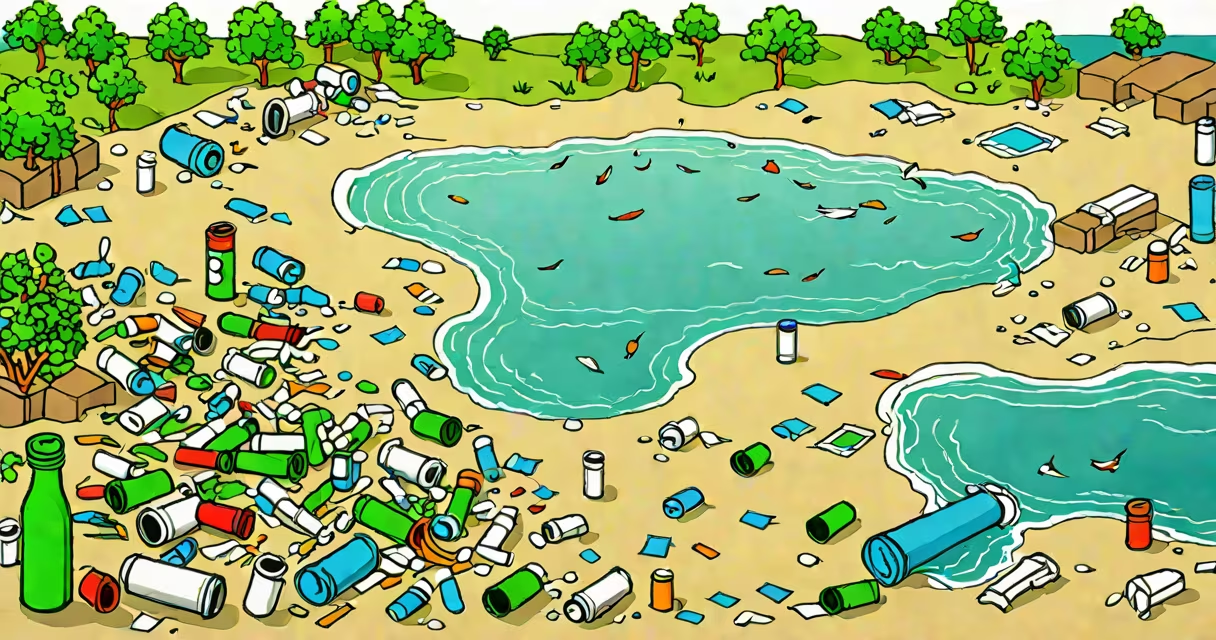
Litter degrades natural habitats, pollutes waterways, and kills wildlife through ingestion or entanglement. It persists for decades, releasing toxins and disrupting ecosystems. Plastic waste alone accounts for 8 million tons entering oceans annually, according to the United Nations.
Litter begins as discarded items-plastic bottles, food wrappers, cigarette butts-and enters the environment through improper disposal. Once out, wind and rain carry it into rivers, lakes, and oceans. A single plastic bottle takes 450 years to decompose, breaking into microplastics that infiltrate soil and water systems.
When animals consume litter, especially plastic, their digestive tracts clog. Sea turtles mistake floating plastic bags for jellyfish, their preferred food. Over 90% of seabirds have ingested plastic, per a 2015 study published in Science. Entanglement in six-pack rings or fishing nets causes injury, amputation, or drowning. In 2022, a dead sperm whale washed ashore in Indonesia with 13 pounds of plastic in its stomach.
Plastic and synthetic materials don't biodegrade-they fragment. These microplastics absorb pollutants like PCBs and DDT, which then enter the food chain. Fish that eat microplastics pass them to predators, including humans. A 2021 report by the World Health Organization confirmed microplastics in human blood, lungs, and placentas.
Land-based litter alters soil chemistry. Cigarette butts contain nicotine and heavy metals. When they leach into soil, they inhibit plant growth. A 2018 study in Environmental Pollution found that tobacco waste reduced seed germination rates by 40% in controlled tests.
Waterways clogged with litter suffer oxygen depletion. Organic waste like food scraps decays and consumes dissolved oxygen, suffocating fish and aquatic insects. In urban areas, stormwater runoff carries litter into drainage systems, overwhelming treatment plants and causing sewage overflow events.
| Litter Type | Primary Environmental Impact | Duration in Environment |
|---|---|---|
| Plastic bottles | Marine entanglement, microplastic contamination | 450 years |
| Cigarette butts | Soil toxicity, water pollution | 10+ years |
| Aluminum cans | Resource waste, habitat disruption | 200 years |
| Fishing nets | Ghost fishing, entanglement | Over 600 years |
Each category contributes uniquely to long-term degradation. For example, abandoned fishing gear-known as "ghost gear"-accounts for 10% of ocean plastic, despite making up less than 1% of total waste volume. The Ocean Conservancy reports that ghost nets kill millions of marine animals yearly.
Many assume that small amounts of litter don't matter. But even one piece of trash can trigger cascading effects. A single plastic bag in a river can block water flow, leading to localized flooding during storms. In 2020, a blocked drainage system in Mumbai caused flash floods that killed 17 people.
Another myth is that recycling eliminates the problem. While recycling reduces landfill use, only 9% of all plastic ever produced has been recycled, according to the UN Environment Programme. Most plastic ends up incinerated, buried, or released into nature.
Some believe biodegradable plastics solve the issue. But these degrade only under industrial composting conditions. In natural environments, they behave like conventional plastic. A 2022 study in Nature Sustainability showed that bioplastic bags took 18 months to break down in soil-longer than expected.
The Great Pacific Garbage Patch spans 1.6 million square kilometers-twice the size of Texas. It contains 1.8 trillion pieces of plastic, weighing 80,000 tons. Most is microplastic, invisible to the naked eye but deadly to plankton and small fish.
Scientists estimate that 46,000 tons of plastic enter the ocean daily. This waste accumulates in gyres-vast ocean currents that trap debris. The patch grows by 10% annually, driven by coastal populations and inadequate waste management.
I once observed a cleanup crew in Bali remove 12,000 kg of trash from a single beach in one week. The haul included 3,400 plastic bottles, 1,200 fishing nets, and 8,000 cigarette butts. The site had been used as a dumping ground for decades. After removal, coral regrowth increased by 30% within 18 months.
Litter affects human health directly. Stormwater carrying litter transports pathogens and chemicals into drinking water sources. In low-income neighborhoods, uncollected waste leads to higher rates of respiratory illness and skin infections.
Economically, litter costs cities billions. New York City spends $10 million annually on street cleaning. Tourism declines in polluted areas-Venice lost 15% of visitors in 2023 due to visible waste and algae blooms linked to poor sanitation.
Climate change intensifies litter's impact. Warmer oceans increase plastic breakdown speed, releasing more toxins. Floods spread waste farther inland. In 2021, Hurricane Ida dumped 200,000 tons of debris into the Gulf Coast, much of it plastic.
Individuals can prevent litter by using reusable containers, refusing single-use plastics, and participating in local cleanups. Communities that adopt zero-waste policies see a 70% reduction in roadside litter, according to a 2020 EPA report.
Policy changes matter. Countries with extended producer responsibility laws-where manufacturers cover disposal-have lower waste volumes. Germany recycles 68% of its packaging waste, compared to 32% in the U.S.
What can litter do to the environment? It damages life, poisons resources, and undermines resilience. The solution lies in systemic change, personal accountability, and sustained action. Every piece removed is a step toward recovery.