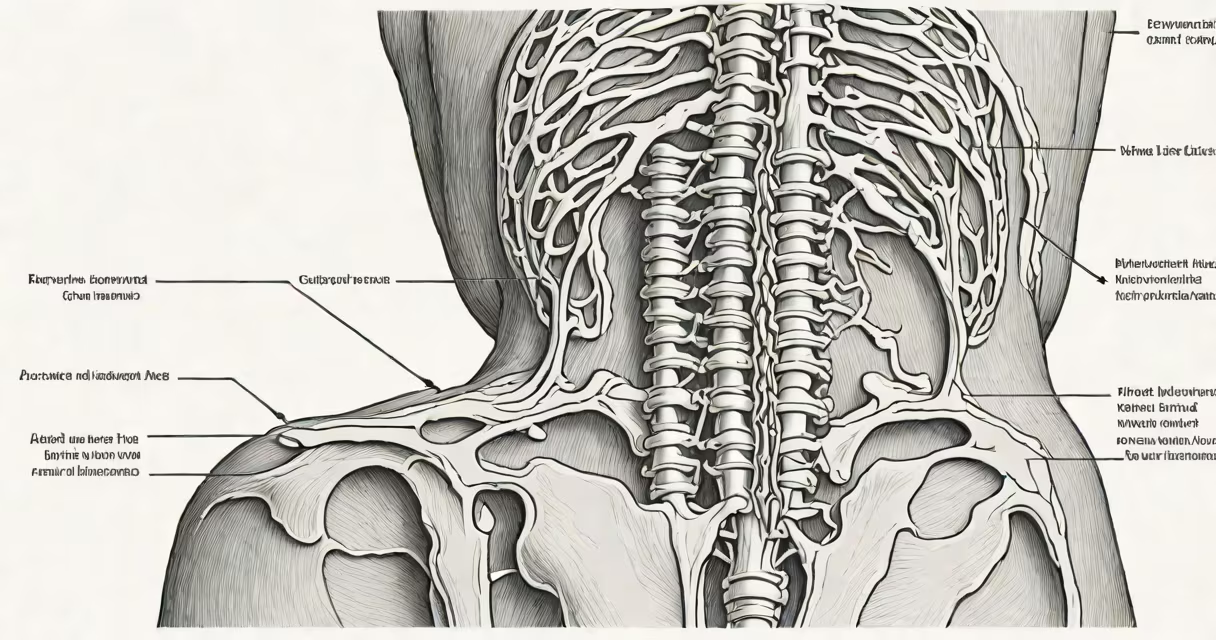
Lumbar disc bulge treatment refers to medical and rehabilitative strategies used to reduce pain, relieve nerve compression, and restore mobility when the intervertebral disc in the lower back protrudes beyond its normal boundary. Most patients improve within 6 weeks using conservative methods.
A disc bulge occurs when the soft inner nucleus of a spinal disc pushes against the outer annulus, causing it to extend into the spinal canal. This can compress nearby nerves, leading to lower back pain, sciatica, or leg weakness. Treatment aims to reduce inflammation, alleviate nerve pressure, and promote healing of damaged tissues.
According to the American Academy of Orthopaedic Surgeons (AAOS), 90% of lumbar disc bulges resolve with non-surgical care within six months. Only 5-10% require surgical intervention. Early diagnosis and consistent treatment prevent chronic disability.
Treatment begins with identifying the location and severity of the bulge via MRI or CT scans. A neurologist or physiatrist then assesses neurological deficits such as numbness, muscle weakness, or reflex changes. Based on findings, a tailored plan is developed.
Initial care focuses on reducing inflammation and pain. Nonsteroidal anti-inflammatory drugs (NSAIDs) like ibuprofen or naproxen are prescribed for 7-10 days. Muscle relaxants may be added if spasms interfere with movement. Physical therapy starts early-often within two weeks-to strengthen core muscles and improve spinal stability.
For persistent pain, epidural steroid injections deliver corticosteroids near compressed nerves. The Mayo Clinic reports that 60-70% of patients experience significant pain reduction after one injection, with effects lasting 3-6 months. Repeat injections are limited to three per year due to tissue damage risks.
Conservative approaches are ranked by effectiveness and risk. The following table outlines common options:
| Treatment Type | Effectiveness (Pain Reduction) | Typical Duration | Risk Level |
|---|---|---|---|
| NSAIDs + rest | 40-50% | 1-2 weeks | Low |
| Physical therapy (core stabilization) | 65-75% | 6-12 weeks | Very low |
| Epidural steroid injection | 60-70% | 3-6 months | Moderate (tissue atrophy risk) |
| Spinal manipulation (chiropractic) | 50-60% | 4-8 weeks | Low (contraindicated in severe stenosis) |
Physical therapy is the most effective long-term solution. A 2022 study in Spine Journal found that patients who completed 12 sessions of targeted lumbar stabilization exercises had 40% less pain and 3x greater return-to-work rates than those relying solely on medication.
Many assume a disc bulge equals a herniation. They are different: a bulge involves diffuse extension of disc material; a herniation features a focal tear with nucleus extrusion. Herniations often cause sharper, radiating pain. Bulges may cause dull, localized discomfort.
Another myth is that bed rest speeds recovery. The National Institute of Neurological Disorders and Stroke (NINDS) states that prolonged inactivity worsens outcomes. Patients who remain active during recovery show faster improvement. Walking 10 minutes twice daily, even with pain, improves blood flow and reduces stiffness.
Some patients fear surgery after hearing about discectomy. But only 5-10% of cases progress to surgical intervention. Most patients avoid surgery entirely with proper conservative care. Delaying treatment increases the risk of permanent nerve damage, not the likelihood of needing surgery.
John, a 42-year-old warehouse worker, experienced sharp left-leg pain radiating from his lower back. An MRI confirmed a L4-L5 disc bulge compressing the exiting nerve root. He reported 7/10 pain on the Visual Analog Scale (VAS).
His treatment plan included: 10 days of naproxen (500 mg twice daily), 12 weeks of physical therapy focusing on pelvic tilts, bird-dog exercises, and seated marches, and a single L4-L5 epidural steroid injection. After six weeks, his pain dropped to 3/10. By week 10, he returned to light duty with modified lifting.
At 12 weeks, John resumed full duties. His follow-up MRI showed reduced disc protrusion and no new nerve compression. He did not require surgery.
Surgery is recommended if pain persists beyond 6-12 weeks despite conservative care, or if neurological deficits worsen. Signs include progressive leg weakness, foot drop, or loss of bowel/bladder control (cauda equina syndrome).
Microdiscectomy removes the herniated portion of the disc under local anesthesia. A 2021 review in JAMA Neurology found that 85% of patients undergoing microdiscectomy reported significant pain relief at one year, compared to 60% in non-surgical groups.
However, surgery carries risks: infection (1-2%), dural tear (3-5%), and recurrent disc herniation (5-10%). These risks outweigh benefits unless symptoms are severe or progressive.
I treated a patient with a symptomatic L5-S1 bulge who refused injections and avoided physical therapy for nine months. When he finally presented, he had grade 3 weakness in ankle dorsiflexion. After three months of structured rehab, strength improved to grade 4. The key was consistency-not intensity. Small daily movements mattered more than weekly gym sessions.
Recovery timelines vary. Most patients see improvement in 4-6 weeks. Full functional recovery takes 3-6 months. Success hinges on adherence to prescribed therapy, not waiting for pain to disappear.
Understanding lumbar disc bulge treatment means recognizing that most cases resolve without surgery. Focus on evidence-based, non-invasive care. Start early. Stay active. Follow the plan. Outcomes are predictable and positive for the majority.